















An estimated 24,324 people are currently living with HIV in the Central Region, translating to a regional prevalence rate of approximately 1.8 per cent, the Ghana AIDS Commission (GAC) has revealed.
The figures were disclosed during a regional stakeholders dissemination meeting organized by the Commission’s Technical Support Unit (TSU) at the Central Regional Coordinating Council (CRCC) in Cape Coast on Wednesday, 30th September 2026.
The engagement aimed to share regional HIV data, highlight current infection trends across districts, and evaluate ongoing interventions.

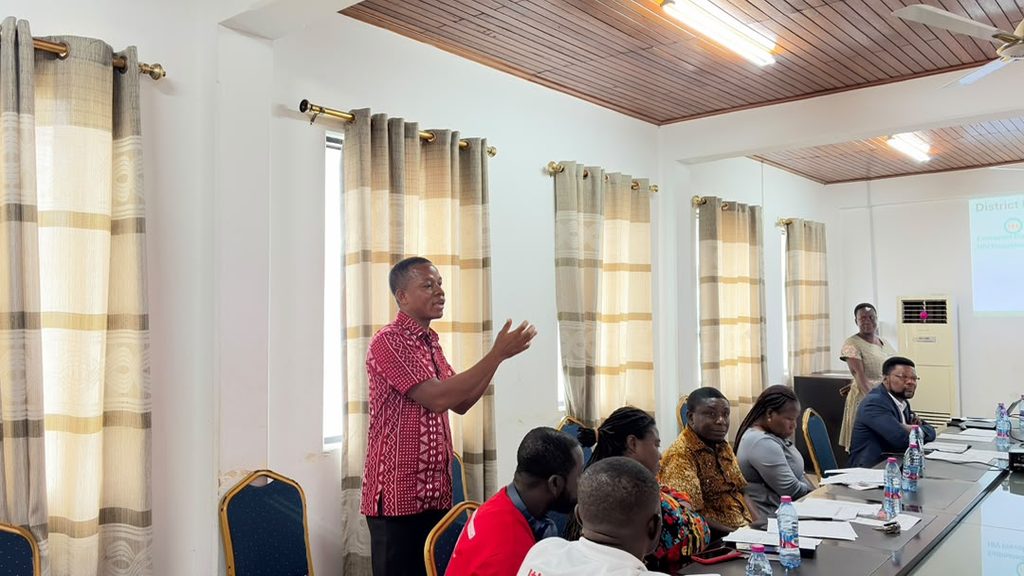
Speaking to ATL FM News after the engagement, the Acting Central Regional Technical Coordinator of the Ghana AIDS Commission, Mrs. Joana Mensah, disclosed that an estimated 24,324 people are currently living with HIV in the Central Region, representing a regional prevalence rate of approximately 1.8 per cent.
Giving a breakdown of the statistics in the Central Region, Mrs. Joana Mensah revealed that individuals aged 15 years and above account for over 22,000 cases, with females constituting 15,478, and males accounting for 7,068. Children 0-14 years make up 1,778 cases.
She added that12,455 adults are currently enrolled on Antiretroviral Therapy (ART), comprising 2,781 males, 9,674 females, and 644 children.
Mrs. Mensah emphasized that the numbers behind the statistics represent real human lives, families, and communities that require urgent, collective action.
“It is our collective responsibility to use this data to improve access to HIV services, promote testing and treatment, strengthen prevention, and drastically reduce stigma and discrimination,” she continued.
Addressing Stigma and Expanding Prevention
Highlighting the need for multi-sectoral engagement, Mrs. Mensah called on key public institutions and civil society organizations, including the National Commission for Civic Education (NCCE), the Commission on Human Rights and Administrative Justice (CHRAJ), Legal Aid, the National Population Council, youth groups, and media outlets—to integrate targeted HIV education into their routine outreach activities.
She noted that addressing social stigma remains the most critical hurdle in encouraging individuals to seek voluntary testing and maintain treatment adherence.
“When HIV first emerged, public perceptions were very different. While significant progress has been made, we must continue shifting mindsets,” she added. “If we address stigma, more people will willingly come forward to test. Consequently, we can ensure those diagnosed are linked to care, enabling them to achieve viral suppression and live healthy lives.”
The Ghana AIDS Commission reiterated its commitment to working closely with regional partners to expand youth-focused sensitization programs and facilitate decentralized healthcare access across all districts in the Central Region.
READ ALSO: TUTAG declares indefinite strike over unpaid arrears, service scheme concerns
Source: Alhaji Ibrahim /ATLFMNEWS