



CAIRO, Egypt — African countries must strengthen cooperation, dismantle internal trade barriers and speak with one voice in demanding climate compensation, an Adviser to the Union of African Journalists (UAJ), Ambassador Ahmed Haggag, has urged at the ongoing 63rd African Journalists Training Course in Cairo, Egypt.
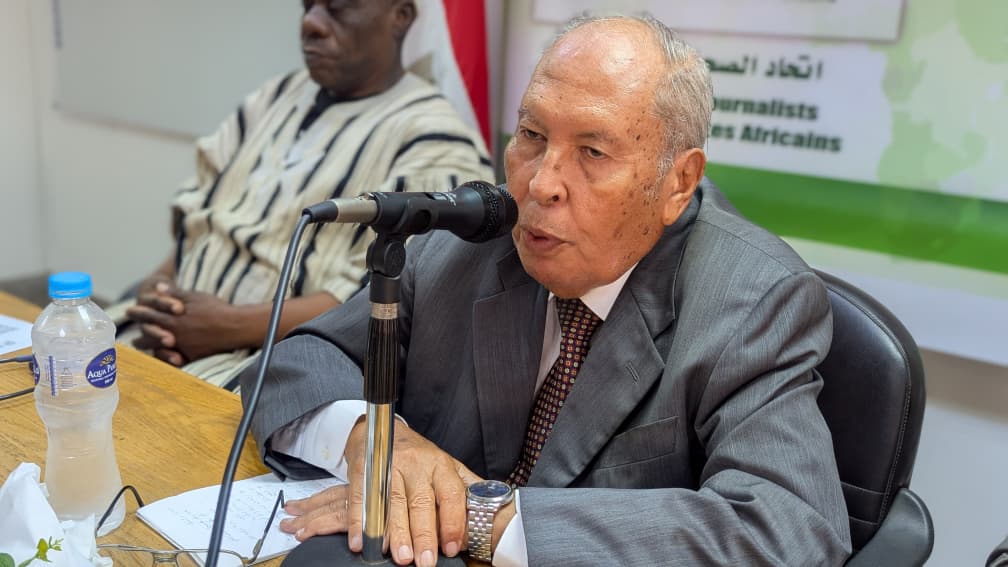
He urged African diplomats, journalists and media organisations to coordinate their advocacy and speak with one voice on issues relating to climate change, arguing that Africa continued to suffer disproportionately from a crisis to which it had contributed relatively little.
Africa, he said, was responsible for only about three per cent of global greenhouse gas emissions, yet continued to bear some of the most severe consequences of climate change.
“Africa does not get any benefit in spite of resolutions of the environmental conferences to assist the countries which are not producing a lot of carbon emissions,” Ambassador Haggag said.
He, therefore, called for stronger cooperation among African countries and a coordinated campaign to ensure that the continent received what he described as its fair share of climate-related compensation.
“We have to get our due share of compensation in this regard,” he stressed.
Climate burden
The call comes against the backdrop of growing evidence of the increasing impact of extreme weather events across Africa.
According to the World Meteorological Organisation’s (WMO) State of the Climate in Africa 2025 report, published in June 2026, Africa is warming faster than the global average, with the rate of warming since 1991 substantially higher than during previous 30-year periods.
The report also highlights the devastating human impact of extreme weather events, including floods, droughts and tropical cyclones.
Flooding accounted for more than half of reported extreme weather events on the continent, with floods in Nigeria in May 2025 resulting in more than 200 deaths, while flooding in the Democratic Republic of the Congo in April claimed more than 160 lives.
Read Also: Central Region NPP backs Afenyo-Markin over GoldBod concerns
The 2024/2025 tropical cyclone season was also particularly active in the South-West Indian Ocean, while drought affected more than 8.5 million people in East Africa.
Although ocean heat content and sea-surface temperatures in 2025 were lower than the record levels recorded in 2023 and 2024, they remained within historically high levels observed over the past decade.
Ambassador Haggag said the scale of such disasters underscored the need for African countries to move beyond fragmented approaches and strengthen continental cooperation, particularly in international climate negotiations.
He also highlighted the need for African countries to address internal barriers that undermined trade, economic integration and collective development.
He said deeper cooperation among African states could strengthen the continent’s bargaining power and enable it to better pursue its economic, environmental and developmental interests on the global stage.
The UAJ adviser charged journalists and media houses across the continent to play an active role in amplifying Africa’s concerns and holding the international community accountable for commitments made under global climate agreements.
He said a coordinated media and diplomatic effort was necessary to ensure that Africa’s voice was not marginalised in discussions on climate finance, adaptation, loss and damage, and compensation.
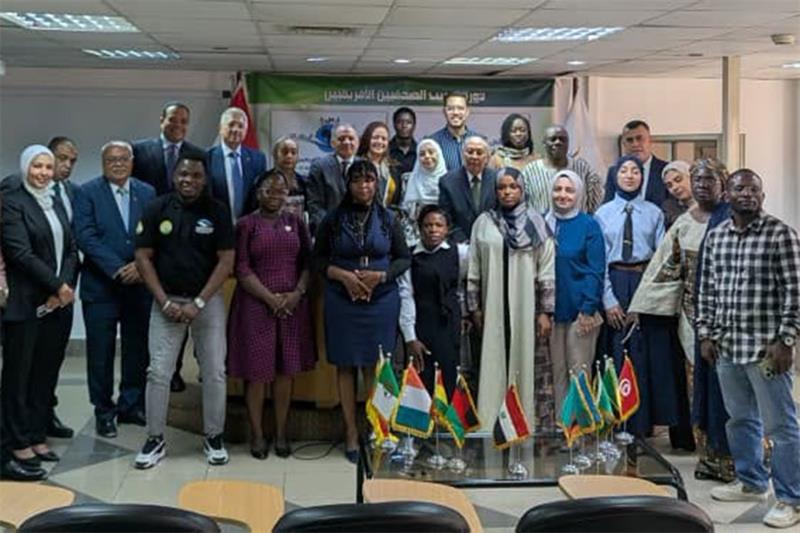
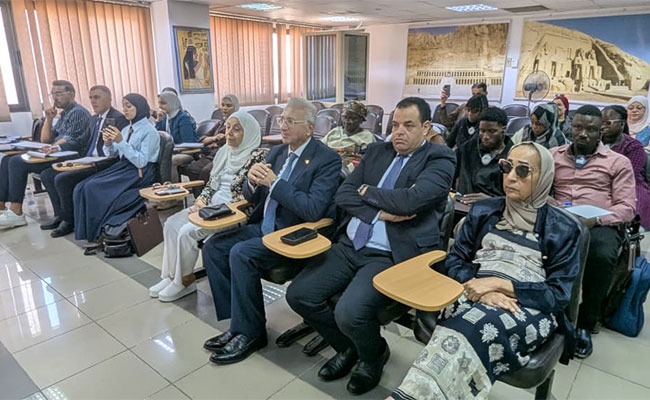
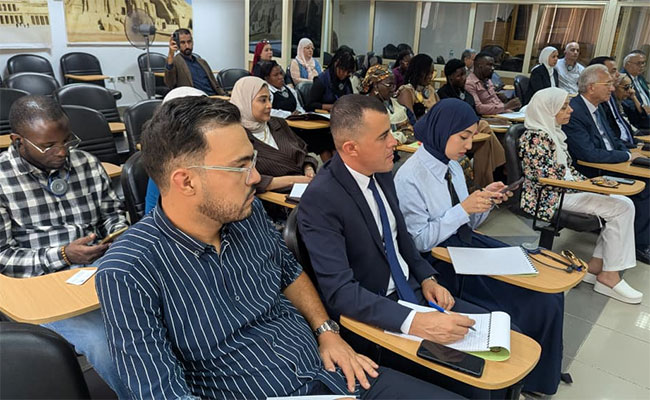
The 63rd African Journalists Training Course has brought together journalists from across the continent to discuss issues affecting Africa’s development and the role of the media in promoting greater cooperation and continental integration.
Source: Aba Aikins Appah/ATLFMNEWS