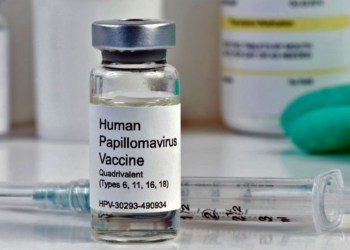
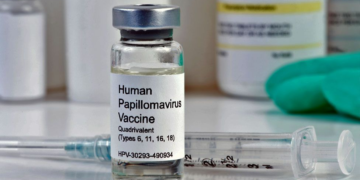











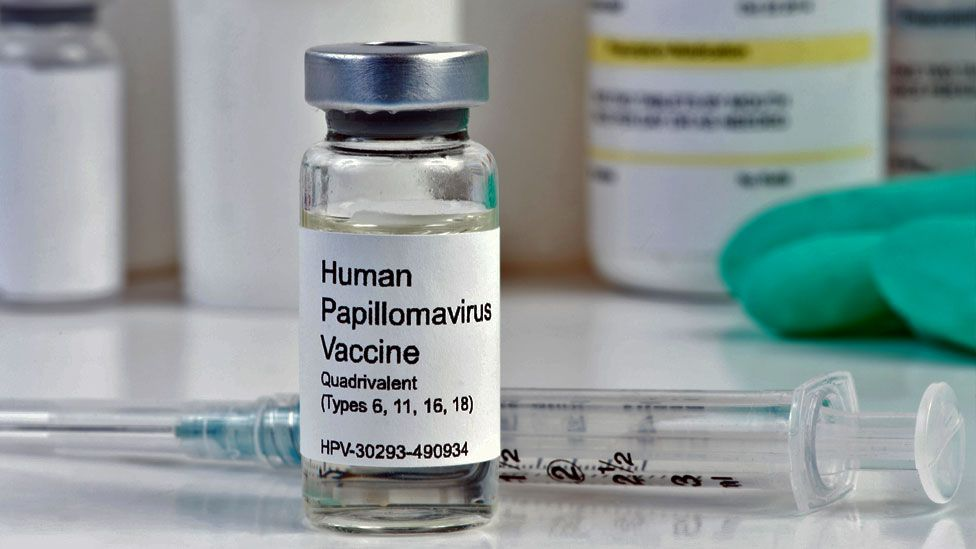
Schoolgirls across Ghana are set to receive greater protection from cervical cancer as health authorities roll out a nationwide human papillomavirus vaccination campaign targeting eligible girls aged nine to 14.
The Ghana Health Service says the school-based exercise will focus on girls within the target age group who have not yet received the HPV vaccine.
The first round of the campaign runs from October 19 to 23, 2026, while the second round is scheduled for November 30 to December 4, 2026.
Health teams will visit schools across the country to administer the vaccine as part of efforts to close gaps in routine HPV vaccination coverage and reduce the future risk of HPV-related diseases.
Campaign Targets Unvaccinated Girls
The Ghana Health Service said the exercise is specifically intended to reach eligible girls who missed earlier opportunities to receive the vaccine.
By taking the vaccination programme directly to schools, health authorities hope to make the service more accessible and reach a larger number of girls within the recommended age group.
School authorities are expected to work with the visiting health teams to identify eligible pupils and support the orderly implementation of the exercise.
The campaign will be carried out in two rounds to provide health teams with additional opportunities to reach girls across different schools, districts and regions.
HPV Vaccination Supports Cancer Prevention
The human papillomavirus is associated with several diseases, including cervical cancer.
The vaccination campaign is therefore being implemented as a preventive public-health intervention aimed at protecting girls before they are exposed to the health risks linked to the virus.
Read Also: Mining Wealth Must Create More African Business Leaders — Asantehene
Health authorities believe improving vaccination coverage among girls aged nine to 14 could contribute significantly to reducing the future burden of cervical cancer in Ghana.
The exercise forms part of wider efforts to strengthen disease prevention and improve long-term health outcomes for women and girls.
GHS and GES Collaborate on Exercise
The campaign is being organized by the Ghana Health Service in collaboration with the Ghana Education Service through the School Health Education Programme, commonly known as SHEP.
The partnership brings together the health and education sectors to ensure that vaccination teams can reach eligible girls within schools nationwide.
SHEP is expected to assist with coordination, communication and mobilization at the school level.
Other partner institutions are also supporting the exercise as part of efforts to improve routine vaccination coverage and promote public awareness about cervical cancer prevention.
Health Teams to Visit Schools Nationwide
Vaccination teams will be deployed to participating schools during the two scheduled rounds.
The school-based approach is expected to reduce the need for parents and guardians to travel long distances to access the vaccine for eligible girls.
It will also allow health workers to provide information and respond to questions from school authorities, teachers and families.
Schools are expected to communicate the relevant arrangements to parents and guardians before the health teams arrive.
Parents and Guardians Asked to Cooperate
The Ghana Health Service has appealed to parents and guardians to support the campaign and ensure that eligible girls are available when vaccination teams visit their schools.
Families have been encouraged to rely on information provided through official health and education channels.
Parents who require further clarification are expected to contact authorized health workers or school officials rather than depend on unverified information circulated through unofficial sources.
The Service believes parental cooperation will be essential to reaching girls who have not yet received the HPV vaccine.
Teachers and School Authorities Given Key Role
Teachers and school administrators are expected to assist health teams throughout the exercise.
Their responsibilities may include sharing official information with families, helping to identify eligible pupils and organizing students during the vaccination sessions.
The Ghana Health Service says close cooperation between schools and health workers will help ensure that the campaign is implemented safely and efficiently.
School authorities have therefore been urged to provide the necessary support during both vaccination rounds.
Community Leaders Urged to Support Campaign
Community leaders have also been asked to help promote awareness and encourage families to participate in the exercise.
Their involvement is expected to strengthen public confidence and help address concerns that may prevent eligible girls from receiving the vaccine.
The Ghana Health Service says the campaign’s success will depend on coordinated support from parents, teachers, school authorities, community leaders and other stakeholders.
Two-Round Exercise Seeks Wider Coverage
The first vaccination round will continue until October 23, while the follow-up round will take place from November 30 to December 4.
The second phase is expected to provide another opportunity to reach eligible girls who may not be vaccinated during the first exercise.
Health authorities are seeking to use both rounds to improve national HPV vaccination coverage and ensure that fewer girls are left unprotected.
The Ghana Health Service has reiterated its appeal for schools and communities to cooperate fully with vaccination teams throughout the campaign.