












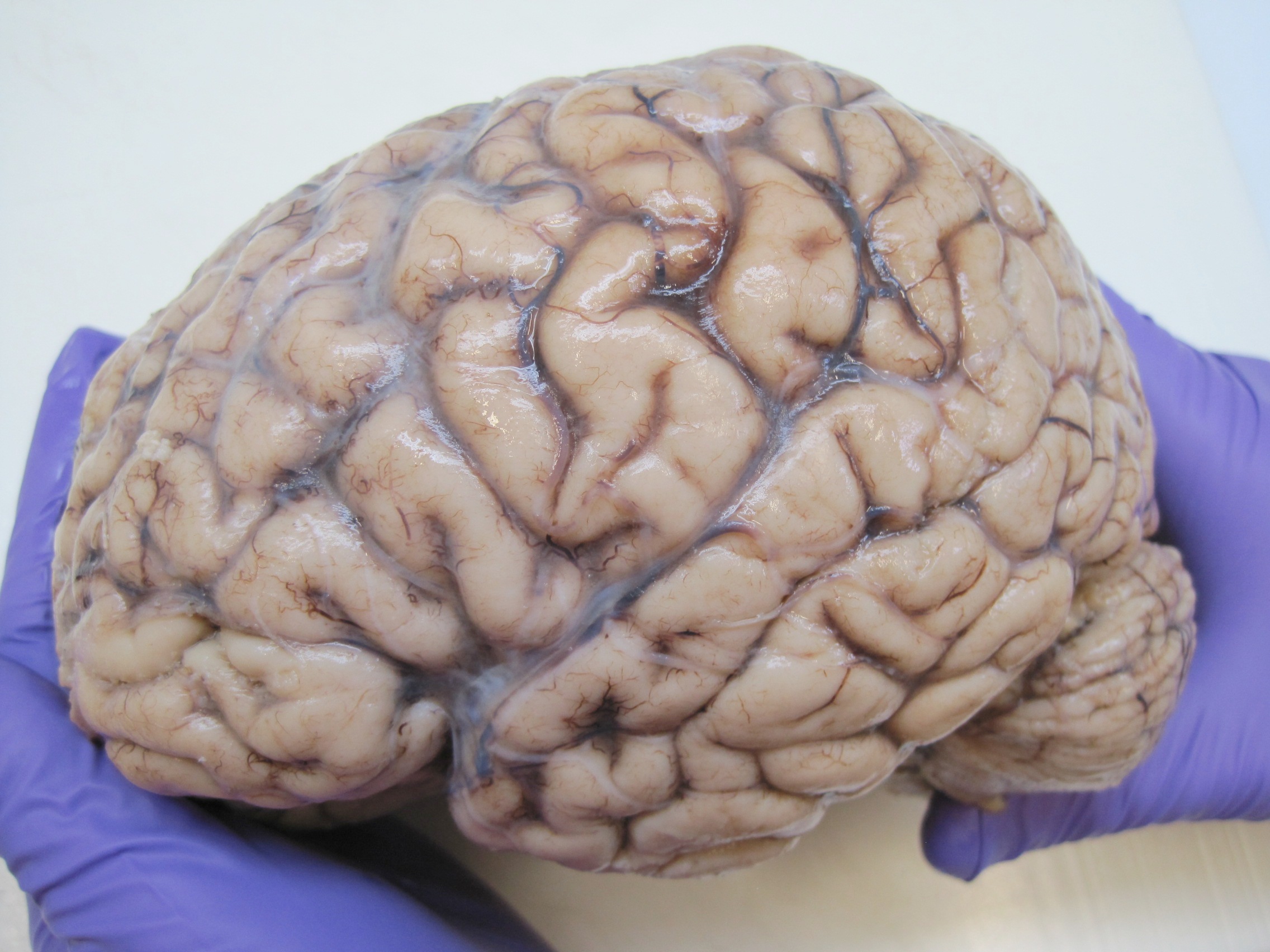
Ghanaians are being urged to take proactive measures to protect their brain health at home due to a severe shortage of specialized medical personnel and equipment in the country.
Speaking on Atlantic Wave to mark World Brain Day, Dr. Benjamin Aboagye of the Ghana Neuroscience Society revealed that Ghana currently has only about 16 practicing neurologists serving the entire population.
“The last time I checked, we have about 16 of them, and even we don’t know whether they are all stationed in Ghana or some are on stay-at-home leave,” he said.
Dr. Aboagye noted that diagnostic infrastructure also remains critically under-resourced, indicating that out of roughly 18 MRI machines in the country, only about two are currently functional in public health facilities.
He called on government and the Ministry of Health to urgently prioritize training specialists and equipping regional hospitals.
Dr. Aboagye, who is also a member of the Ghana Science Association, further revealed that Ghana records between 12,000 and 16,000 new cases of stroke annually. Also, an estimated 270,000 Ghanaians are currently living with epilepsy and seizure disorders.
Other prevalent neurological disorders include severe migraines, Parkinson’s disease, and Alzheimer ’s-related dementia, many of which stem from preventable lifestyle factors.
He emphasized that early detection and lifestyle adjustments are crucial to reducing the burden of these conditions nationwide.
Demystifying Myths
Dr. Aboagye urged the public to stop attributing brain disorders to spiritual attacks or normal ageing, warning that such misconceptions delay critical medical care.
He said, “So even if somebody is having some unusual behaviour, we say it’s spiritual. Then we ignore the person, or if we don’t ignore the person, we take the patient to a spiritual home where the person would have to seek spiritual help… It would be good if we seek proper medical help alongside the spiritual help.
He also urged people who ascribe such conditions to family traits to ignore such misconceptions.
Dr. Aboagye stressed that early detection, prevention, and treatment can save lives.
World Brain Day 2026 was observed on July 22, 2026, with the official theme “Brain Health: Access for All,” and was spearheaded by the World Federation of Neurology (WFN).
READ MORE NEWS HERE