












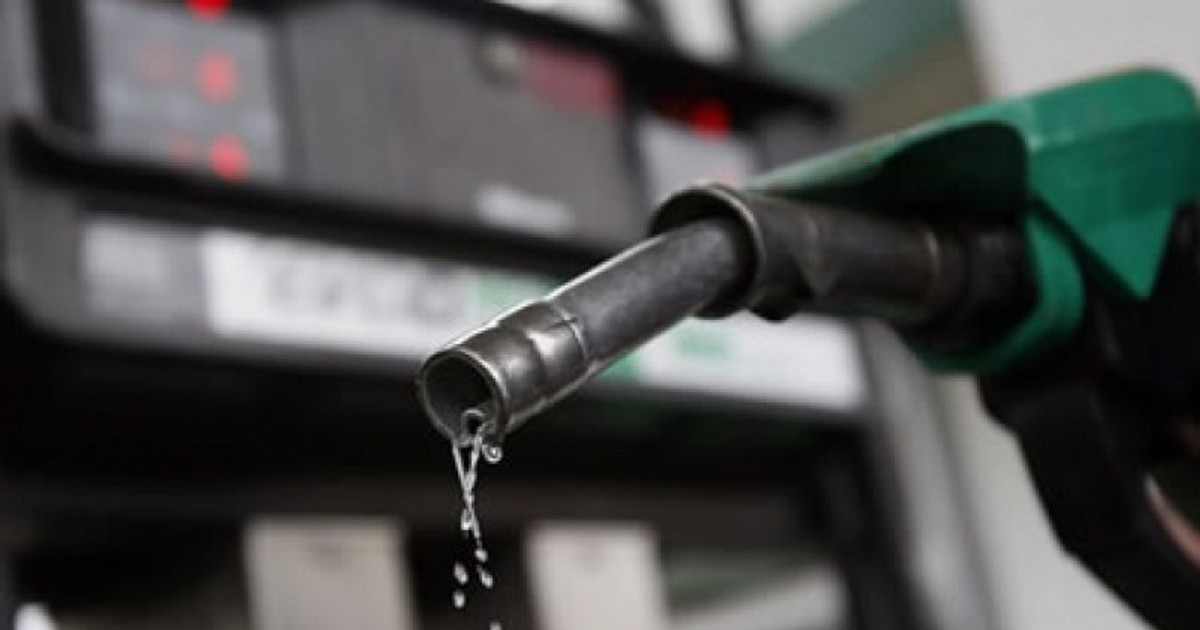
Diesel users across Ghana are expected to enjoy lower pump prices from today, August 4, following the implementation of government’s GH¢2-per-litre reduction in the regulatory margin on diesel under the first pricing window of August.
The intervention is expected to provide relief for transport operators, manufacturers and other diesel-dependent businesses as Oil Marketing Companies (OMCs) begin adjusting their prices.
Read Also: Xenophobia: African Unity Faces New Threat, Mahama Warns
Several OMCs started reducing diesel and petrol prices on August 3, with more expected to follow as the revised pricing framework takes full effect.
Diesel Price Floor Reduced
As part of the intervention, the National Petroleum Authority (NPA) has lowered the diesel price floor from GH¢16.97 to GH¢14.97 per litre for the pricing window running from August 4 to August 15, 2026.
The GH¢2 reduction represents an 11.8 percent decrease in the minimum price threshold, giving Oil Marketing Companies greater flexibility to reduce pump prices.
Prices Will Differ Across Fuel Stations
Despite the revised price floor, motorists are unlikely to see identical diesel prices nationwide.
Industry analysts explain that individual OMCs will continue to set retail prices based on operational expenses, transportation costs and commercial margins.
As a result, pump prices are expected to vary from one fuel station to another.
Relief for Businesses
The reduction is expected to lower operating costs for businesses that depend heavily on diesel, including transport operators, manufacturers, construction firms and logistics companies.
Economists say the measure could also help moderate transport costs and contribute to easing inflationary pressures if the lower prices are sustained.
Global Market Risks Remain
Although the intervention provides immediate relief, analysts caution that future fuel prices will continue to depend on developments in the international crude oil market and movements in the Ghana cedi.
Recent volatility in global oil prices and exchange rate pressures continue to influence the cost of importing refined petroleum products into Ghana.
Government hopes the temporary reduction will cushion consumers while supporting broader efforts to stabilise prices across the economy.