


A DNA ancestry project led by the University of Cape Coast (UCC) in collaboration with the University of Illinois Urbana-Champaign is helping descendants of enslaved Africans in the United States reconnect with relatives and communities in Ghana.
The initiative, known as the TAKiR Project: “Tracing the Echoes of History: Unravelling Ghana’s Diaspora Post-Slave Trade” is examining genetic links between participants in Ghana and members of the African diaspora.
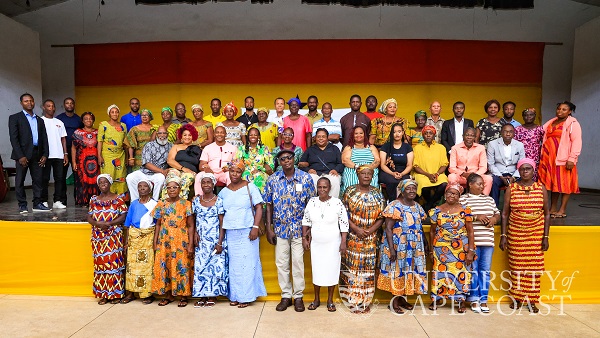
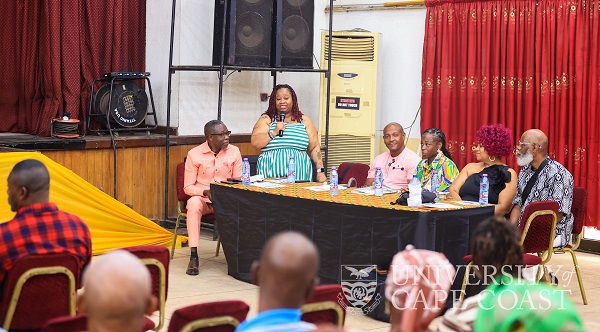
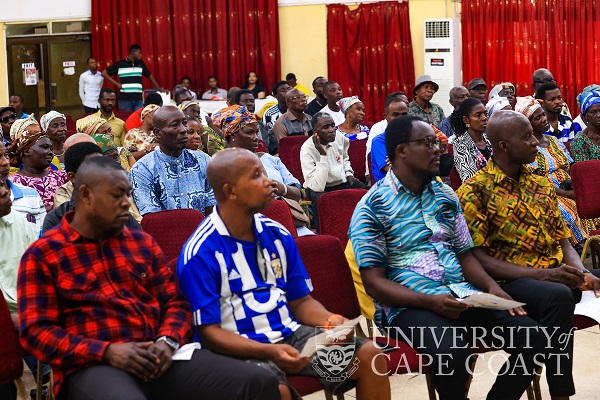
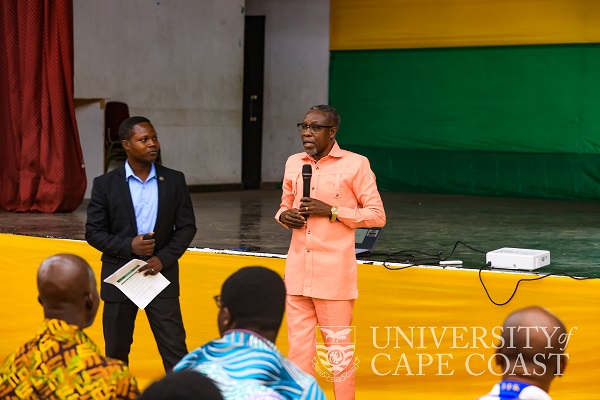
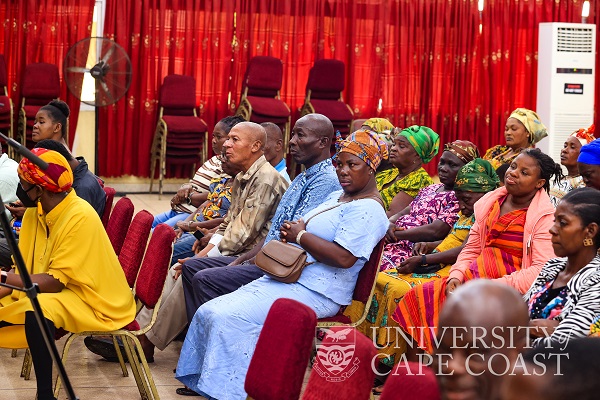
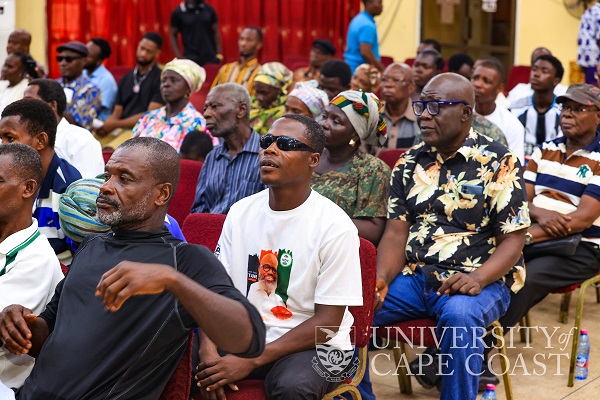
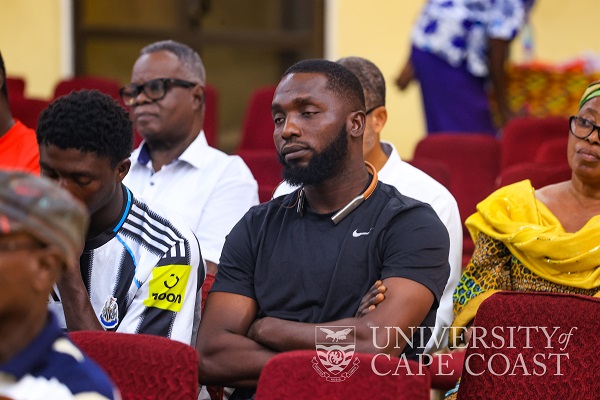
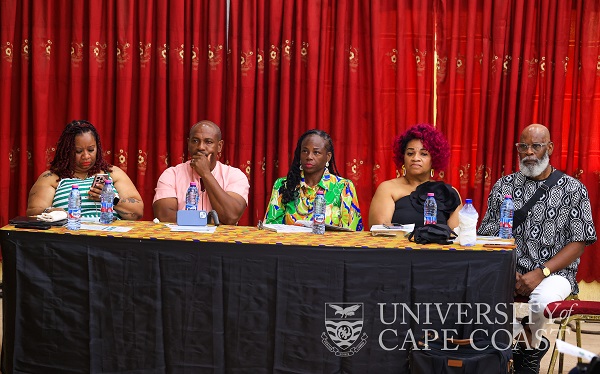
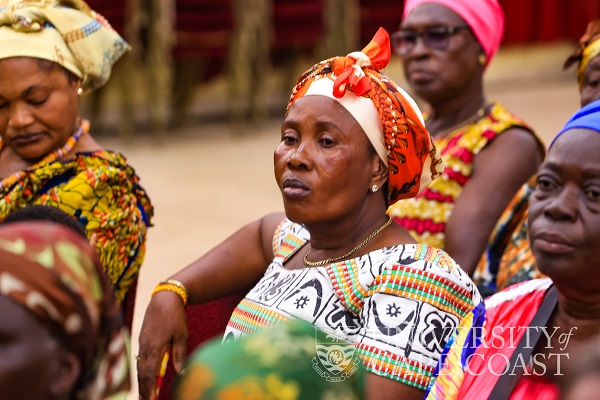
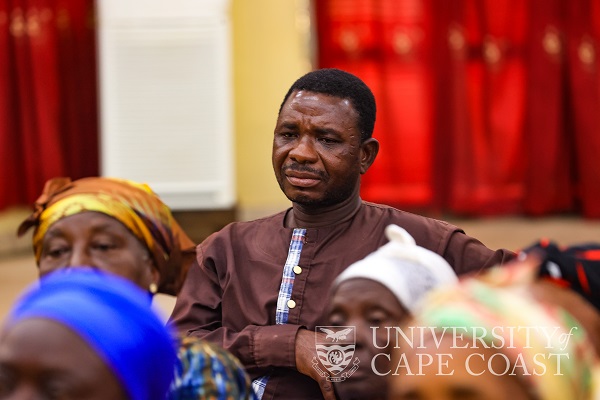
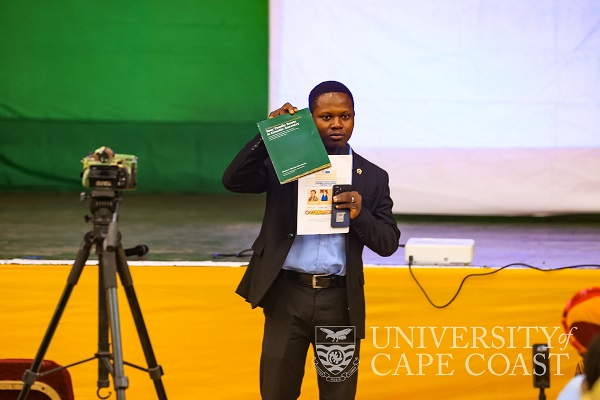
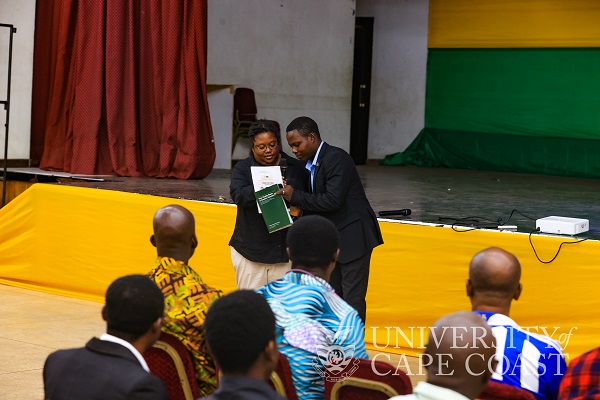
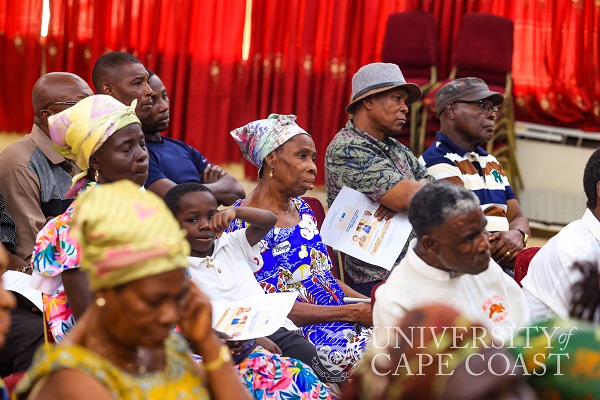
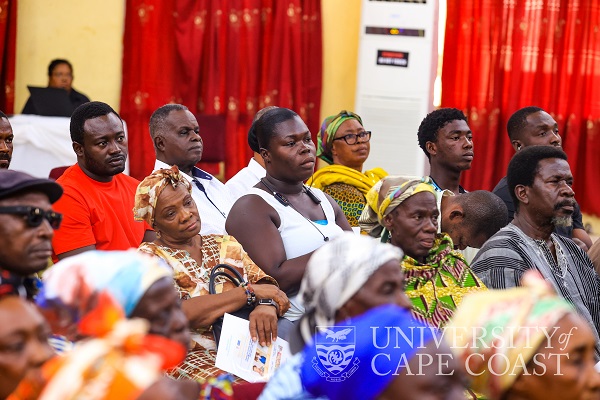
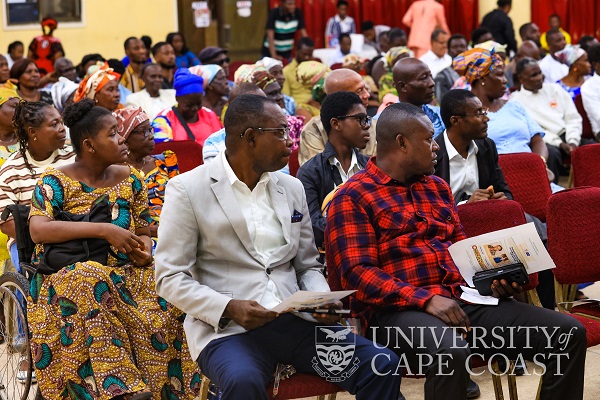
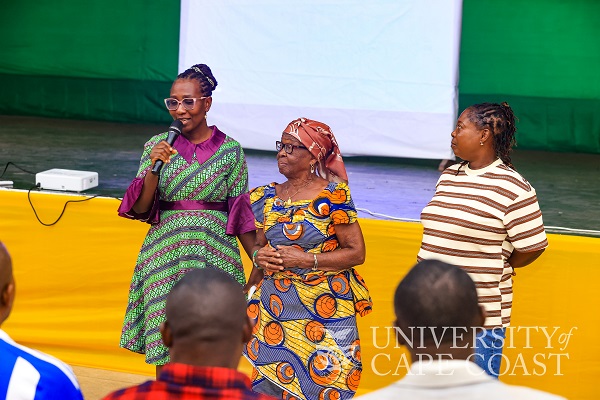
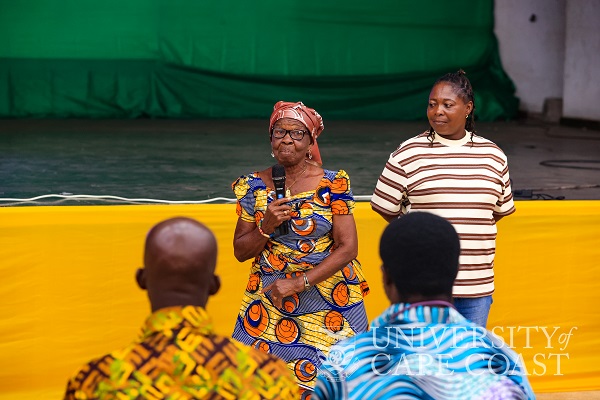
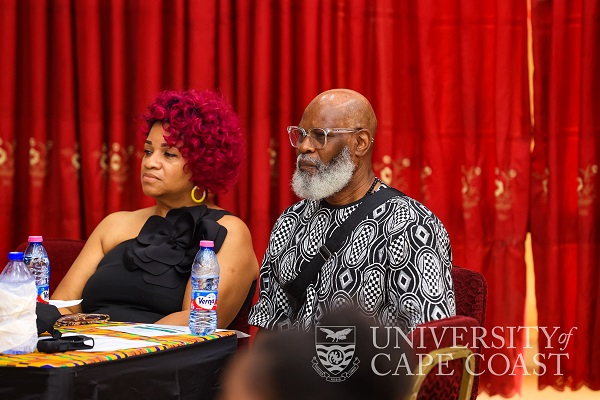
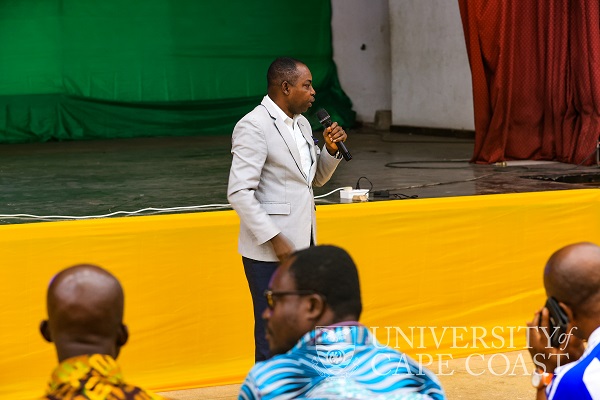
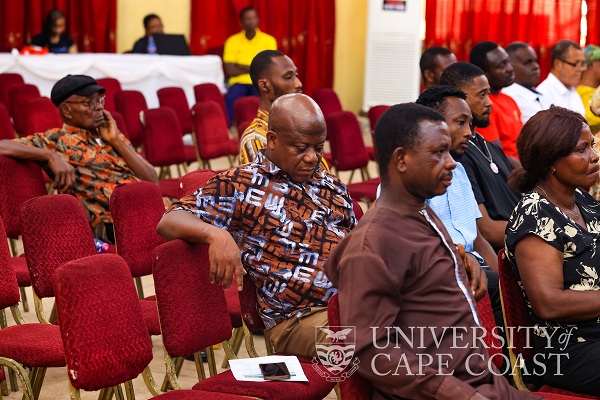
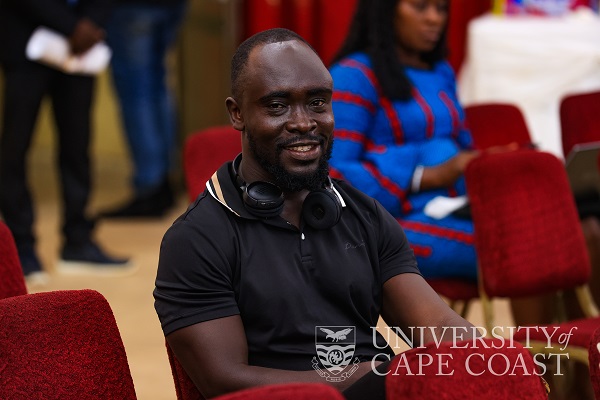
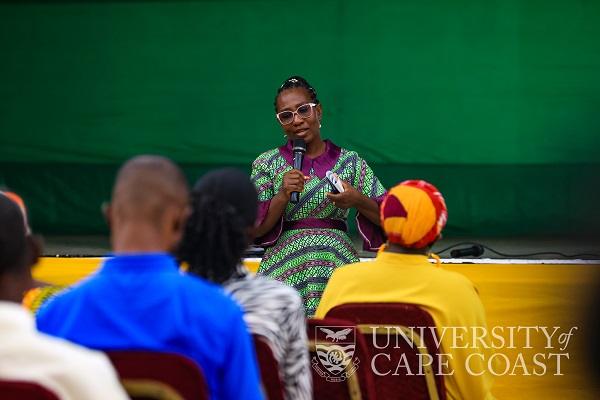
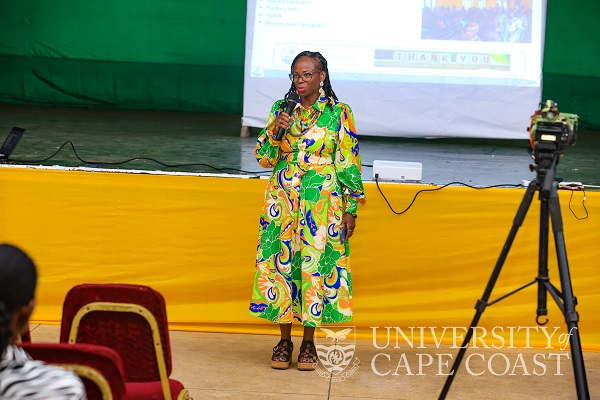
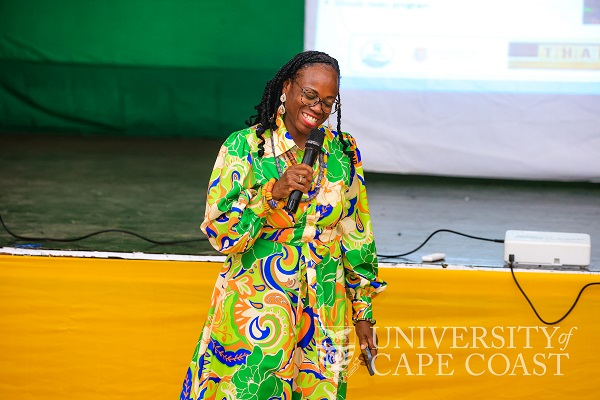
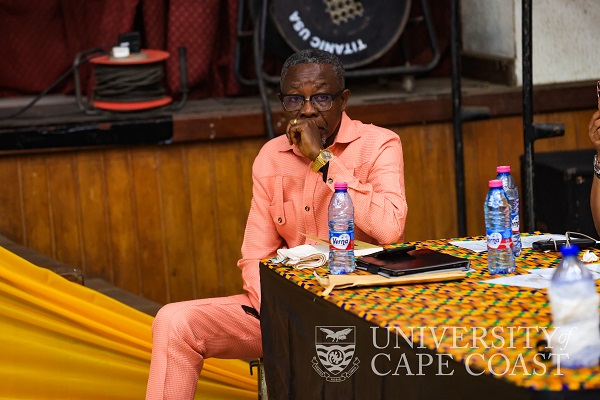
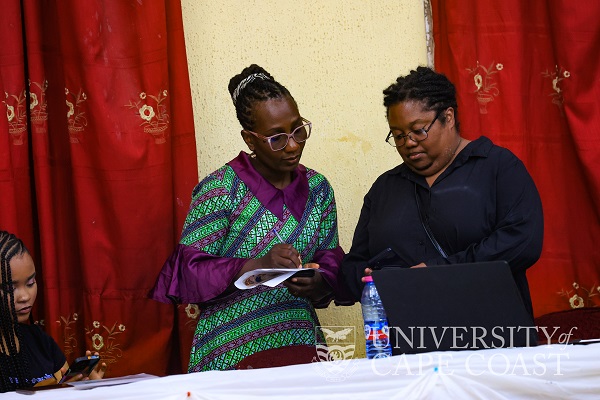
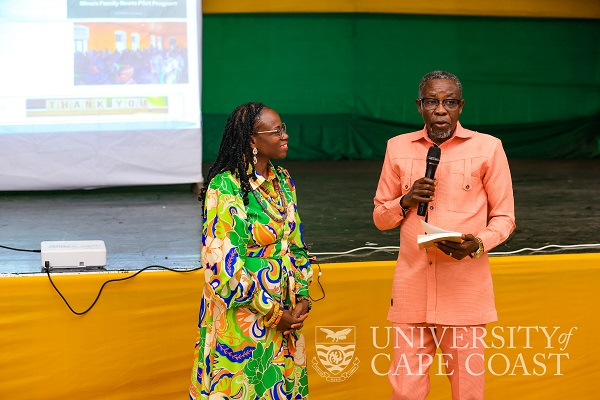
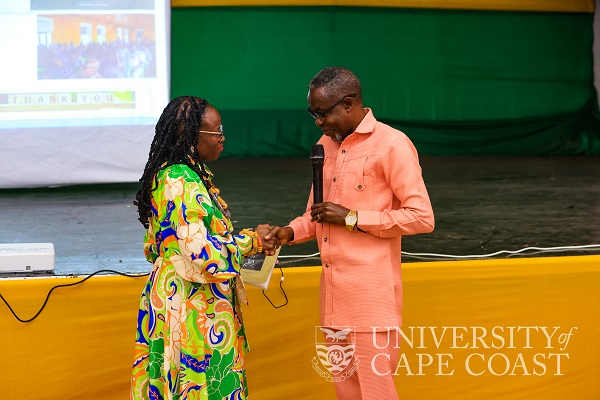
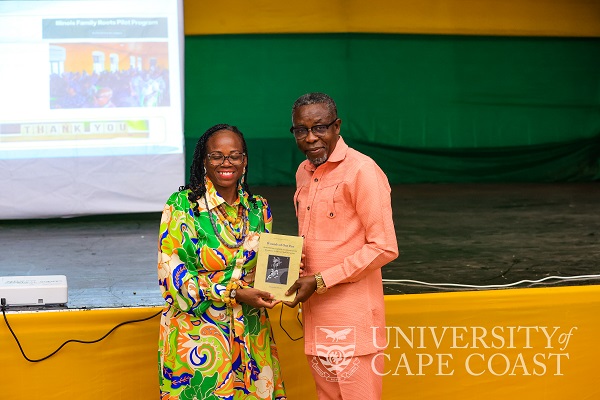
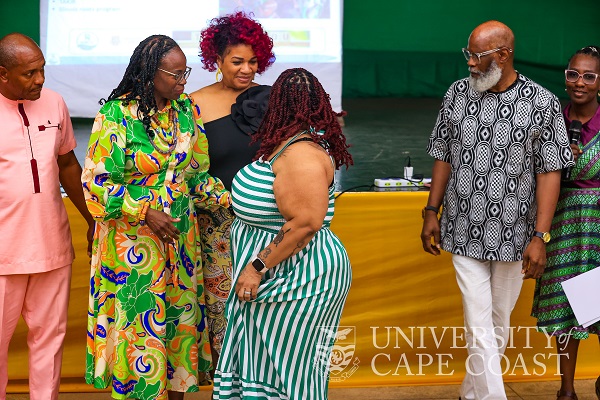
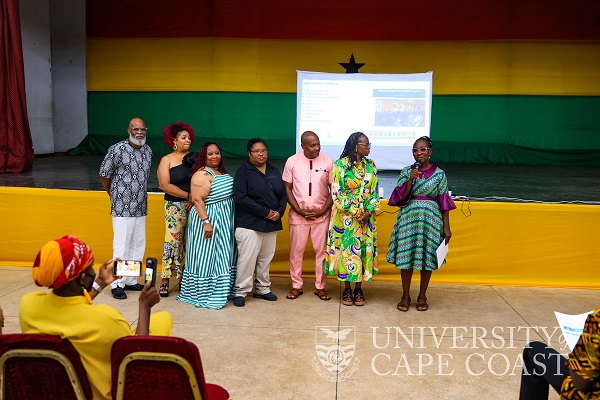
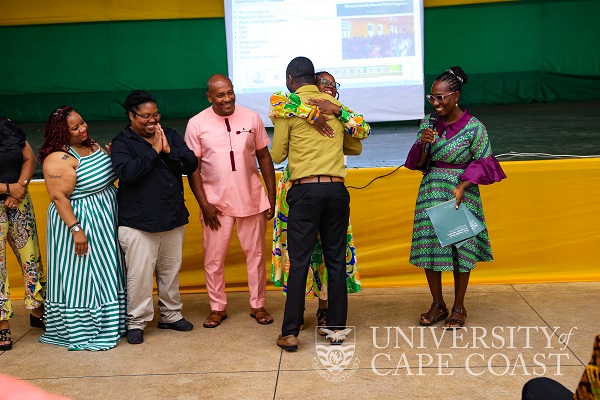
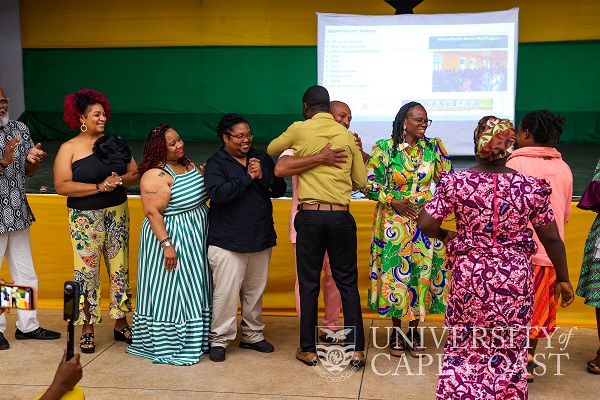
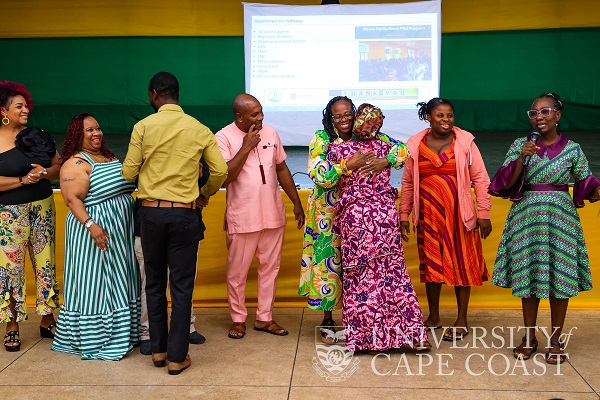
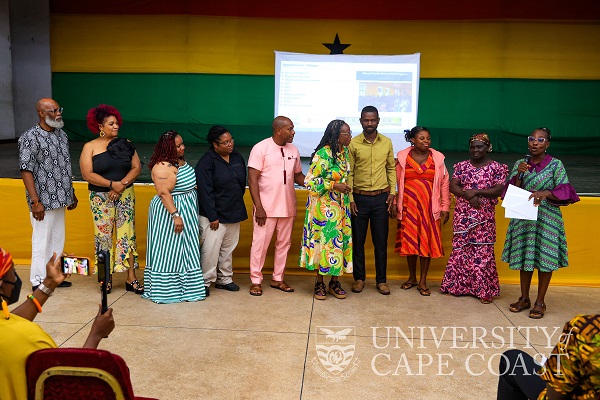
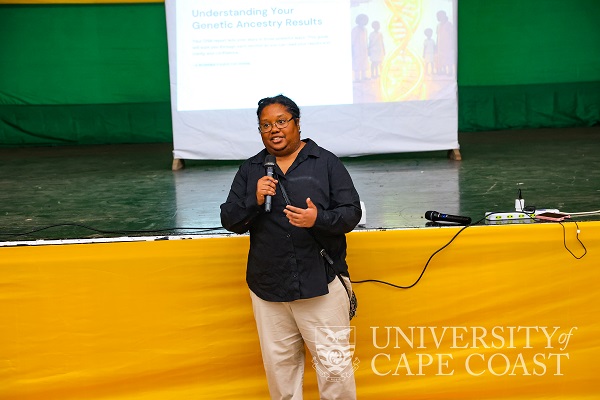
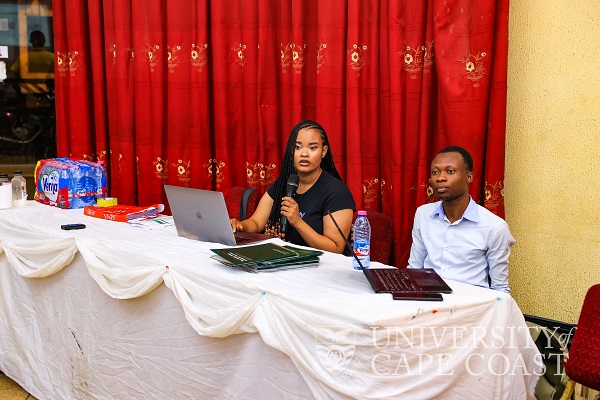
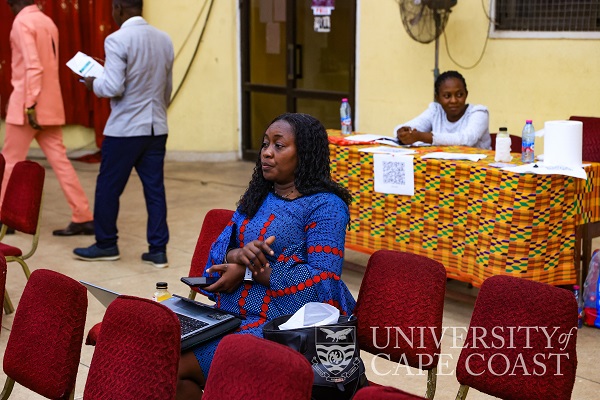
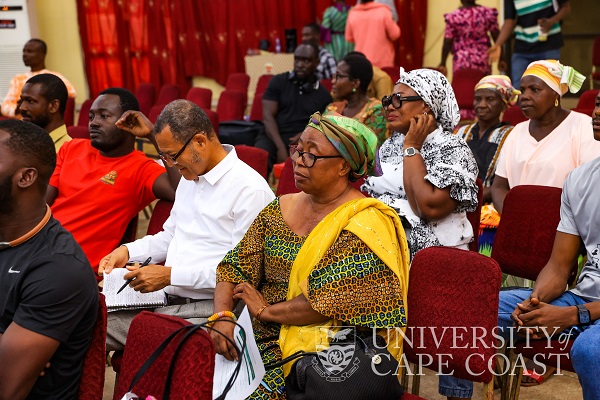
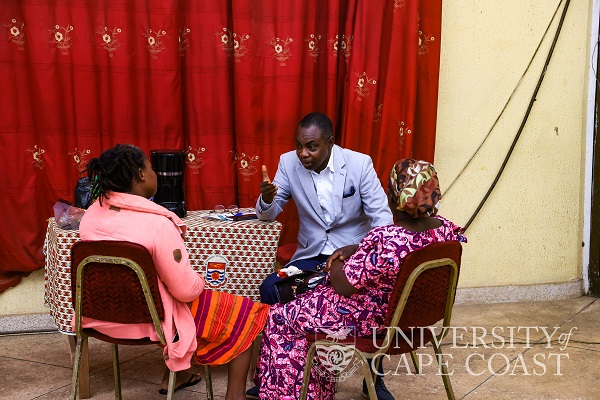
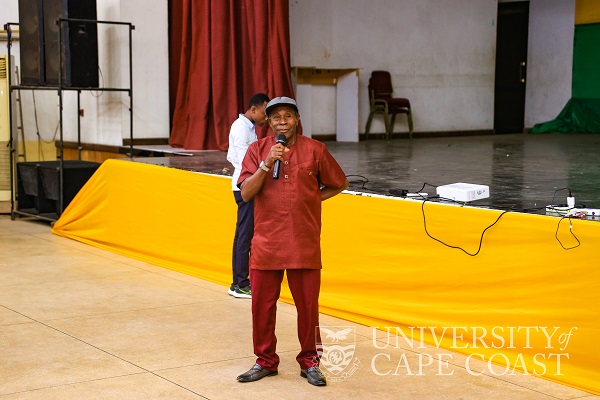
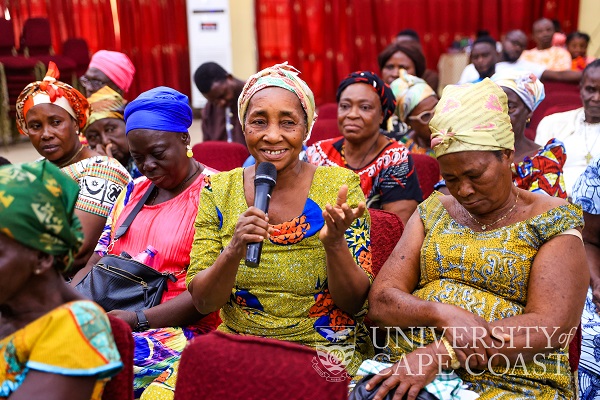
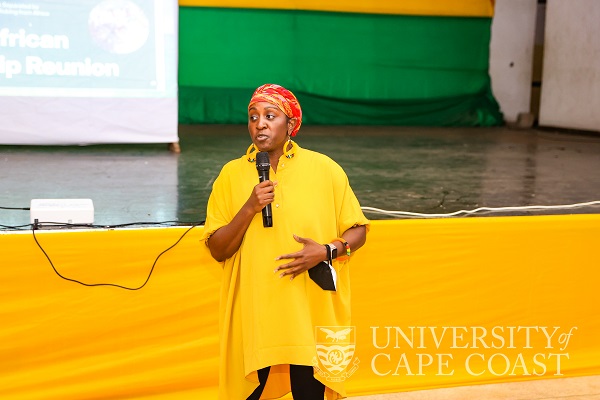
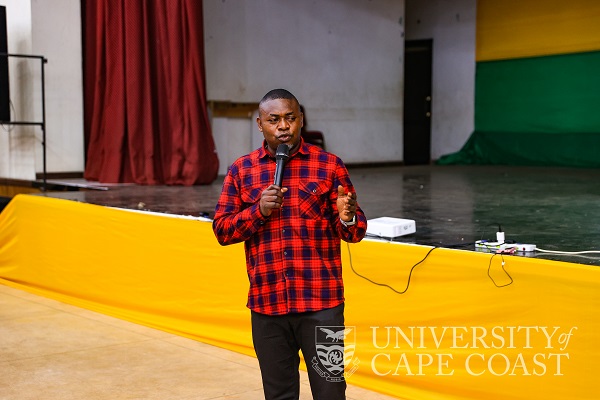
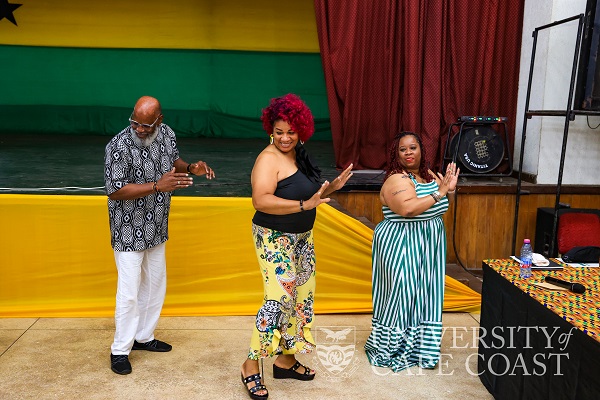
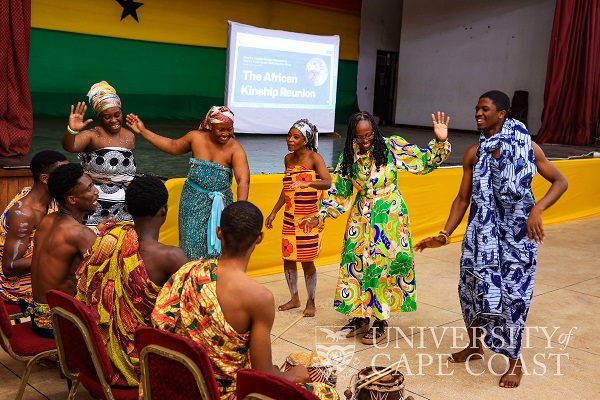
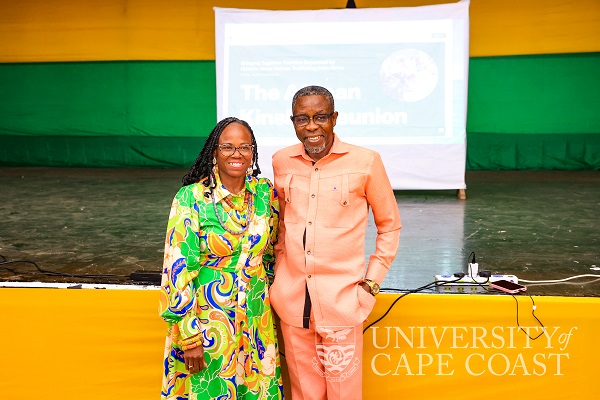
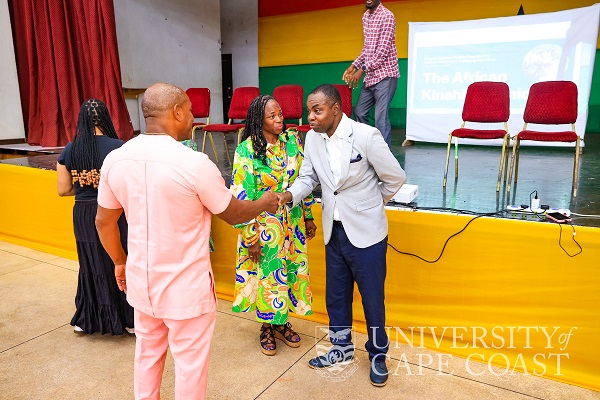
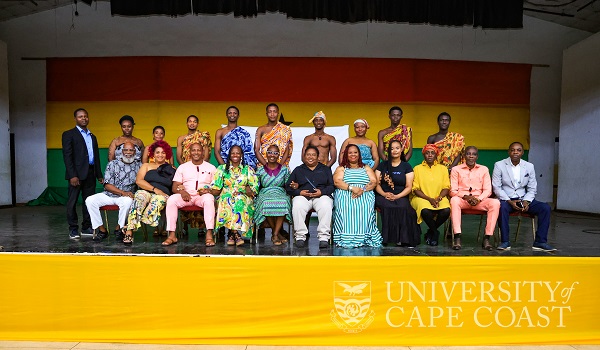
Researchers and project partners discussed the initiative during a Phase Two testing and return-of-results programme in Cape Coast, bringing together project leaders, participants and community members to share findings, family lineage experiences and the next steps for genetic and genealogical connections.
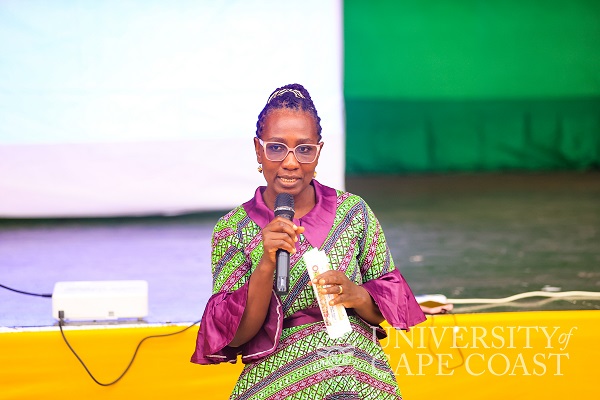
A Co-Principal Investigator of TAKiR and Lecturer at UCC’s Department of Biomedical Sciences, Dr Richael Odarkor Mills, said the project goes beyond identifying broad ancestral origins to establish possible family connections between people in Ghana and descendants of enslaved Africans in the United States.
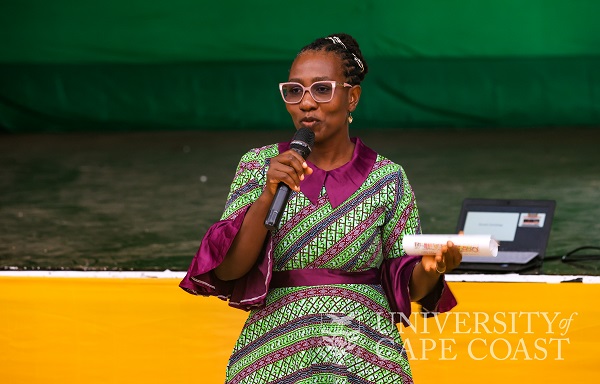
She said Cape Coast is among the communities participating in the research, following earlier work in parts of the Upper East Region.
According to Dr Mills, Ghanaian participants were recruited in collaboration with traditional authorities and community opinion leaders and voluntarily provided saliva samples after being informed about the purpose of the study.
Similar samples were collected from participants in the United States and analysed to identify genetic relationships.
Dr Mills said the project has already identified participants in the United States with genetic relatives in Cape Coast, Elmina and surrounding communities, while some Ghanaian participants have also been matched with relatives in the diaspora.
She said the discoveries have generated excitement among participants, with some expressing interest in establishing relationships and welcoming their newfound relatives into their communities.
Phase Two
The second phase of the initiative focuses on testing and returning results to participants, while also providing guidance on how to understand and navigate digital resources connected to their ancestry findings.
The programme also features discussions on historical data, family lineage success stories and the future of genetic tracking and genealogical research within the African diaspora.
Read Also: Denkyira Agona Royals Honour Denkyirahemaa and Abusuapanin for Outstanding Service
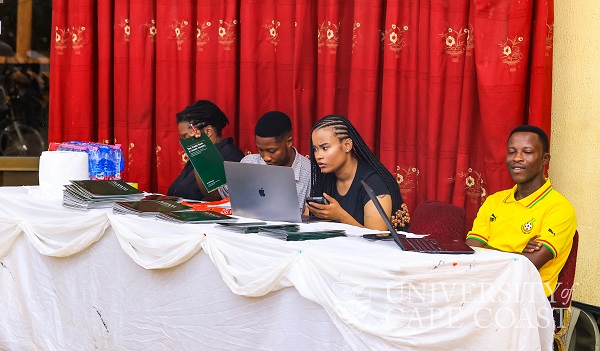
A dedicated specimen collection and networking session is also being used to facilitate additional participation and programme tracking.
Dr Mills said participation in the second phase has been made free and expressed hope that additional funding would allow the initiative to expand to other parts of Ghana.
She said the broader objective is to make ancestry testing more accessible and help more descendants of enslaved Africans trace their roots and establish connections with families in Ghana.
From history to living family connections
A Democratic member of the Illinois House of Representatives, Representative Carol Ammons, described discovering her Ghanaian relatives through the project as an emotional and transformative experience.
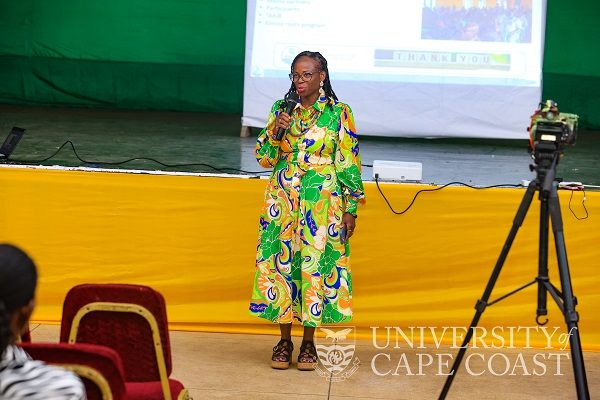
She said previous visits to Ghana had helped her understand the history of slavery through visits to the castles and dungeons, but discovering living relatives gave the experience a deeper sense of belonging and restoration.
She noted that many descendants of enslaved Africans grew up without knowledge of their ancestry, language, culture and extended families.
Representative Ammons therefore commended the researchers and partners supporting the initiative and pledged continued advocacy for efforts that enable more African Americans to trace their ancestral roots.
Implications for reparations
The Vice-Dean of the School of Graduate Studies at UCC, Professor Emmanuel Saboro, said the DNA findings could complement historical records by providing scientific evidence of links between descendants in the diaspora and communities in Ghana.
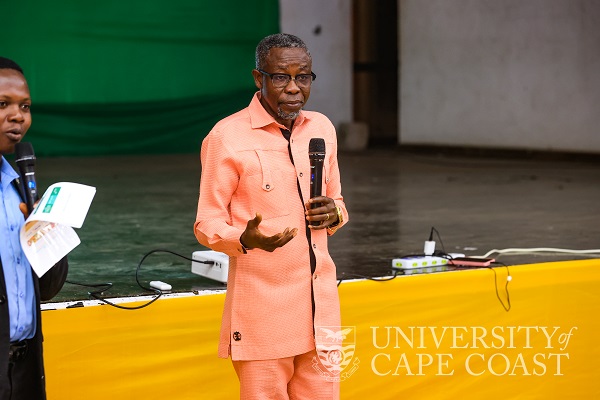
He said such evidence could contribute to ongoing conversations about the consequences of the transatlantic slave trade and reparations.
Professor Saboro, however, cautioned against viewing reparations solely in terms of financial compensation.
He advocated measures including the return of historical artefacts, archival records and other cultural materials removed from Africa, while urging policymakers to involve affected communities in determining appropriate forms of restoration.
He said the DNA initiative represents an important step towards restoring family connections, strengthening Ghana’s relationship with the African diaspora and preserving a shared history for future generations.
Source: Anthony Sasu Ayisadu/ATLFMNEWS