



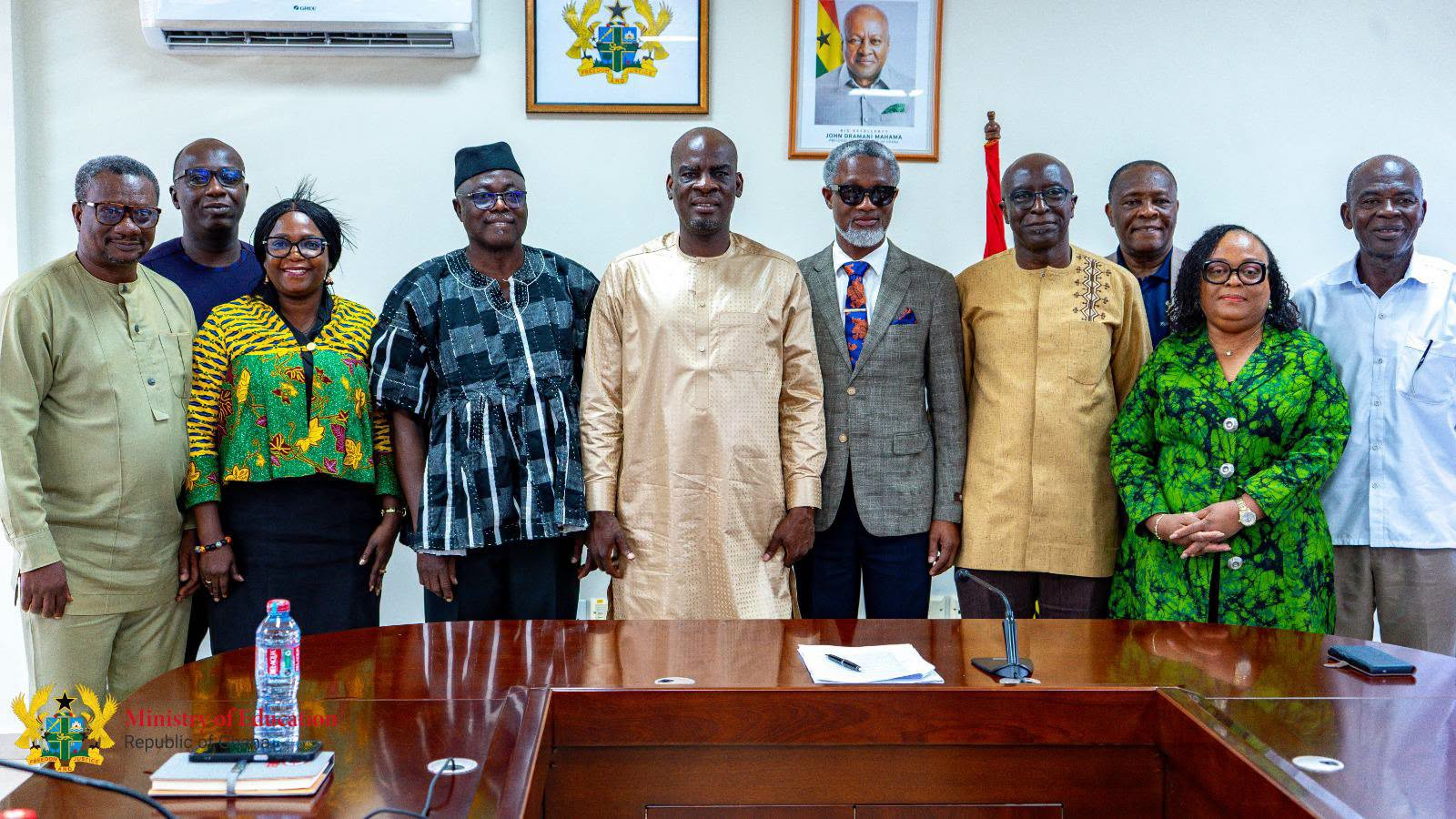
Students across Ghana could receive stronger protection from sexual abuse, indiscipline and other forms of misconduct as the Ministry of Education begins a comprehensive review of school discipline policies.
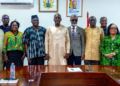
The Ministry has inaugurated a committee to examine existing rules and recommend practical measures for creating safer and more accountable learning environments.
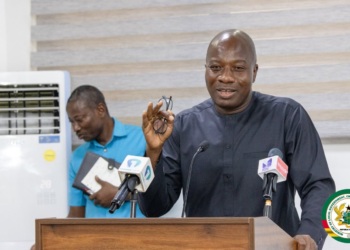
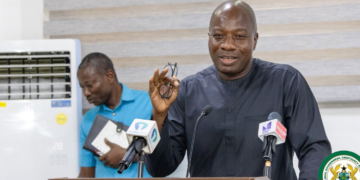
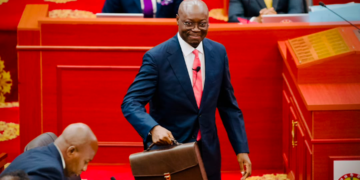
Education Minister Haruna Iddrisu said the committee would assess weaknesses in current policies and propose interventions that clearly define the responsibilities of parents, teachers and school authorities when misconduct occurs.
The committee will also recommend a nationwide public education campaign to improve awareness of school discipline, student protection and the appropriate channels for reporting incidents.
The initiative comes amid growing concern over allegations of sexual abuse and other misconduct in educational institutions, renewing calls for stronger safeguards and clearer accountability systems.
Existing School Discipline Policies Under Review
The committee has been tasked to examine whether the policies currently guiding discipline in Ghanaian schools adequately protect students and respond to emerging forms of misconduct.
Its work is expected to cover how schools prevent abuse, receive complaints, protect affected students and respond to serious allegations involving staff or learners.
The review will also consider whether existing rules are applied consistently across educational institutions.
Although many schools operate under general codes of conduct, differences in interpretation and enforcement can result in similar cases being handled differently.
The Ministry wants the committee to recommend a clearer national framework that can guide institutions when dealing with indiscipline, sexual abuse and other forms of unacceptable conduct.
Sexual Abuse Concerns Drive Need for Stronger Action
Sexual abuse has become one of the major concerns behind calls for stronger protection within educational institutions.
The committee is expected to recommend measures that make it easier for students to report inappropriate conduct and receive timely support.
Its work could also help clarify the actions school authorities must take when allegations are reported, including when cases should be referred to the Ghana Education Service, law-enforcement agencies or other authorized bodies.
The Ministry’s decision signals that allegations involving students should not be treated only as internal disciplinary matters where they may involve criminal conduct or serious threats to student welfare.
Any recommendations will need to balance the protection of students with fairness and due process for all persons involved.
Clearer Responsibilities for Parents and Teachers
One of the committee’s main assignments will be to define the roles of parents, teachers and school administrators in maintaining discipline and protecting learners.
Parents may be expected to reinforce responsible behavior at home, monitor changes in their children and cooperate with schools when concerns arise.
Teachers, who interact directly with students, will remain important in identifying warning signs, reporting suspected misconduct and ensuring that complaints are not ignored.
School authorities will also require clear procedures for documenting incidents, protecting affected students and taking the appropriate administrative or legal action.
By defining these responsibilities, the Ministry hopes to reduce uncertainty over who should act and prevent serious complaints from being neglected or passed between institutions.
Public Education Campaign Proposed
The committee will recommend a nationwide public education campaign on school discipline and student safety.
The campaign could help students, parents, teachers and communities understand acceptable conduct, reporting procedures and the consequences of abuse and indiscipline.
It may also encourage students to speak out where they feel unsafe or experience inappropriate behavior.
Parents and guardians would similarly receive guidance on how to report concerns and follow up with the relevant authorities.
The Ministry believes stronger public awareness will be necessary to ensure that any revised discipline policies are understood and implemented beyond the administrative level.
Safer Learning Environments Expected
The broader objective of the review is to ensure that schools remain environments in which students can learn without fear of abuse, harassment or other misconduct.
Unsafe learning conditions can affect attendance, academic performance, emotional well being and confidence in educational institutions.
Clearer rules and reporting procedures could help schools respond to incidents more quickly and consistently.
The committee may also consider the support required for affected students and the measures needed to prevent victimization after complaints are made.
The effectiveness of the eventual framework will depend on whether schools receive adequate training, resources and supervision to implement it.
Accountability Within Schools to Be Strengthened
The policy review is also expected to examine accountability among teachers, school administrators and other persons responsible for student welfare.
Stronger procedures could make it easier to determine whether officials acted appropriately after receiving reports of abuse or misconduct.
Where school authorities fail to follow approved procedures, the framework may recommend administrative consequences or further investigation.
Read Also: Public Procurement Limit Rises from GH¢100,000 to GH¢800,000
The Ministry wants discipline policies that do not merely list prohibited conduct but clearly explain how institutions should respond when rules are broken.
A more accountable system could strengthen public confidence and reassure families that complaints involving students will receive proper attention.
Committee Asked to Provide Practical Recommendations
Mr Iddrisu urged members of the committee to produce proposals that can be implemented within Ghana’s education system.
He stressed that the review should respond to current educational needs rather than produce recommendations that remain theoretical.
The committee is expected to consult relevant stakeholders and consider the administrative, legal and financial requirements of its proposals.
Government has assured members that the necessary support and resources will be provided to complete their assignment.
The Minister said the work should contribute to responsible conduct, stronger discipline and improved student protection across educational institutions.
Two Other Education Committees Inaugurated
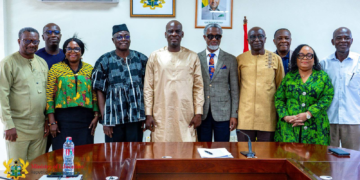
The school discipline committee is one of three policy bodies inaugurated by the Education Minister.
A second committee will develop a blueprint for the proposed National Open University.
Its assignment will cover the institution’s legal framework, business model, technology infrastructure and accessibility.
The proposed university is expected to use flexible and technology-supported learning to expand tertiary education opportunities for people who may be unable to participate in conventional campus-based programmes.
The committee will be expected to recommend how the institution can operate sustainably and remain accessible to learners across the country.
Teacher Education Programmes to Be Reviewed
A third committee has been assigned to review Ghana’s teacher education programmes.
It will recommend specializations in areas including special needs education, early childhood education, science, technology, engineering and mathematics, and technical and vocational education and training.
The committee will also advise on the possible clustering of Ghana’s 49 Colleges of Education according to their strengths and specialized areas.
This approach could allow different colleges to focus on particular aspects of teacher preparation rather than offering largely similar programmes.
The review is expected to help Ghana produce teachers with the specialized skills required across different levels and areas of the education system.
Foundational Learning and Digital Access Highlighted
At the inauguration, the Education Minister also drew attention to foundational learning and digital access as important national priorities.
Foundational learning involves ensuring that children develop essential literacy and numeracy skills at the appropriate stages of education.
Digital access is also becoming increasingly important as technology is integrated into teaching, learning and the administration of schools.
The committees are therefore expected to consider how their proposals fit into the broader objective of improving educational quality and access.
Responsible conduct within schools, the Minister maintained, must operate alongside improvements in teacher preparation, learning outcomes and technology.
Implementation Will Determine Impact
The inauguration of the committee does not immediately change existing school discipline rules.
Its recommendations will first need to be completed, reviewed and accepted by the government before any revised framework is introduced.
The practical impact will depend on whether the eventual policies are communicated clearly and implemented consistently across schools.
Teachers and administrators may require training, while students will need accessible and confidential reporting channels.
Parents must also understand how to support the process and when to escalate concerns beyond the school level.
The Ministry’s initiative will ultimately be judged by whether it produces measurable improvements in student safety, discipline and accountability across Ghana’s educational institutions.