




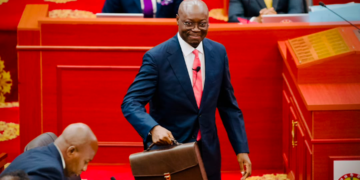











All 261 Metropolitan, Municipal and District Chief Executives across Ghana will undergo an independent performance assessment, with the findings expected to guide President John Dramani Mahama’s decisions on local government leadership.
The Ministry of Local Government, Chieftaincy and Religious Affairs says the nationwide evaluation will examine the performance of MMDCEs in development, service delivery, revenue mobilization, security, governance and citizen engagement.
The exercise begins immediately and is expected to conclude on December 15, 2026, after which a final report will be submitted to the President by December 20 for consideration and further action.
MMDCEs have also been directed to submit evidence-backed performance reports through a dedicated online portal by November 30.
Review to Cover All 261 Districts
The assessment will cover every Metropolitan, Municipal and District Assembly in the country.
Independent evaluation teams will visit the 261 districts between December 1 and 15 to verify the information submitted by the Chief Executives and assess conditions on the ground.
The visits will involve physical inspection of development projects, examination of financial records and engagement with stakeholders within the respective districts.
Assembly Members, traditional authorities and residents will be consulted as part of efforts to obtain a broader picture of the performance of each MMDCE.
The Ministry says the process will be evidence-based rather than relying entirely on reports prepared by the Chief Executives themselves.
Development and Service Delivery Carry Highest Score
The performance assessment will be based on six key indicators.
General development, service delivery and poverty reduction will carry the highest weighting, accounting for 35% of the total score.
This category is expected to assess the extent to which MMDCEs have supported development and improved essential public services within their jurisdictions.
It will also examine whether programmes and projects implemented by the Assemblies have contributed to addressing poverty and responding to local needs.
The heavy weighting reflects the central responsibility of local government authorities to deliver development and improve the living conditions of residents.
Revenue and Financial Management Under Review
Revenue mobilization and financial management will account for 20% of the assessment.
Evaluation teams will examine how effectively Assemblies have raised internally generated funds and managed the public resources available to them.
Financial records will be reviewed as part of the district visits, allowing assessors to compare expenditure with reported projects and programmes.
Read Also: Students to Get Better Protection from Abuse in Schools
The review is expected to determine whether MMDCEs have exercised financial discipline and used available resources in accordance with the priorities of their districts.
Chief Executives will therefore be required to provide evidence supporting claims relating to revenue collection, expenditure and project implementation.
Peace and Security Carry 15%
Peace and security will contribute 15% to the final assessment.
MMDCEs serve as chairpersons of Metropolitan, Municipal and District Security Councils and are expected to coordinate with security agencies and local stakeholders to maintain peace within their areas.
The review will examine how the Chief Executives have handled security concerns, community tensions and other incidents affecting stability.
Their ability to work with traditional leaders, security institutions and residents in preventing or resolving conflicts may also form part of the assessment.
The Ministry wants the exercise to establish whether local government leadership has contributed effectively to maintaining safe and stable communities.
Governance and Accountability to Be Assessed
Governance and accountability will also carry a weighting of 15%.
This component is expected to examine transparency, compliance with local government procedures and the relationship between MMDCEs and their respective Assemblies.
Evaluation teams may assess whether Chief Executives have worked effectively with Assembly Members and other local government officials in making and implementing decisions.
The review will also consider whether public resources and administrative authority have been exercised responsibly.
The inclusion of governance and accountability signals that the assessment will not focus solely on physical projects but also on how local administrations have been managed.
Citizens to Rate Their MMDCEs
Citizen engagement will account for 10% of the total score.
Residents will be given the opportunity to evaluate their respective Chief Executives through an online scorecard.
The platform is expected to allow members of the public to provide feedback on leadership, responsiveness, development and service delivery in their districts.
Public ratings will complement the written reports submitted by the MMDCEs and the findings of the evaluation teams.
The Ministry has not yet provided details on the questions that will appear on the scorecard or when it will become available.
However, the inclusion of citizen feedback gives residents a formal role in assessing the officials responsible for local government administration.
Presidential Directives Carry 5%
Implementation of presidential directives and national programmes will make up the remaining 5% of the assessment.
This category will examine whether MMDCEs have carried out instructions and programmes assigned to them by the central government.
Chief Executives will be expected to provide evidence showing the extent to which national initiatives have been implemented within their districts.
The assessment could also reveal differences in the effectiveness and speed with which government programmes have been carried out across the country.
Although this category carries the lowest individual weighting, it remains part of the wider evaluation of how well MMDCEs have aligned local administration with national priorities.
Evidence-Backed Reports Due November 30
Each MMDCE must submit a detailed performance report through the Ministry’s dedicated online portal by November 30.
The reports must be supported by evidence, allowing evaluators to verify the claims during their visits.
Relevant evidence may include project records, financial documents and other information showing the work undertaken by the Assembly.
The Ministry’s evidence requirement is intended to prevent the review from relying on unsupported claims or general descriptions of performance.
MMDCEs who report completed projects or programmes should therefore be prepared for those claims to be examined during the physical inspections.
Confidential Assessments May Be Considered
In addition to public feedback and stakeholder consultations, intelligence agencies and other local government officials may submit confidential assessments of individual MMDCEs.
These reports could provide information relating to leadership, administration, security and other matters that may not emerge during public engagements.
The Ministry has not indicated how confidential submissions will be verified or weighted within the final assessment.
However, using multiple sources is expected to help evaluators obtain a more comprehensive view of each Chief Executive’s performance.
The final score may therefore reflect official records, physical inspections, citizen ratings, stakeholder interviews and confidential institutional assessments.
Traditional Leaders and Assembly Members to Be Consulted
Traditional authorities and Assembly Members will be engaged during the district visits.
Their participation is expected to provide insight into the relationships between MMDCEs and local stakeholders.
Assembly Members may offer perspectives on how effectively Chief Executives have worked with the Assembly in setting priorities and implementing decisions.
Traditional leaders could also provide information on community engagement, development, security and cooperation between local authorities and residents.
The Ministry believes these consultations will help determine whether the MMDCEs have provided inclusive and responsive leadership.
Findings to Reach President by December 20
The evaluation teams are expected to conclude their district-level work by December 15.
The Ministry will then compile the findings into a final report for submission to President Mahama by December 20.
The report will provide the Presidency with evidence on the performance of all 261 MMDCEs.
The Ministry has not specified what action may follow the assessment or whether individual scores will be made public.
However, the instruction that the report should be submitted for the President’s consideration and further action places the future of the Chief Executives under presidential scrutiny.
Local Leadership Faces Accountability Test
The nationwide review represents a significant accountability test for local government leadership.
MMDCEs will be assessed not only on projects they claim to have completed but also on financial management, security, governance and their relationship with residents.
The use of inspections and public ratings is expected to make the process broader than a conventional administrative review.
Its credibility will ultimately depend on the independence of the evaluation teams, the quality of the evidence gathered and whether the findings result in measurable action.
For the 261 MMDCEs, the immediate task is to document their performance and prepare for the district-level verification exercise ahead of the December deadlines.