













Public institutions will now be able to procure goods valued below GH¢800,000 without referring the transactions to procurement review committees, following a major increase in the approval threshold by the Public Procurement Authority.
The limit has been raised from GH¢100,000 to GH¢800,000 as part of efforts to reduce delays and improve efficiency within Ghana’s public procurement system.
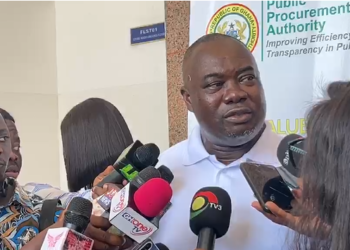
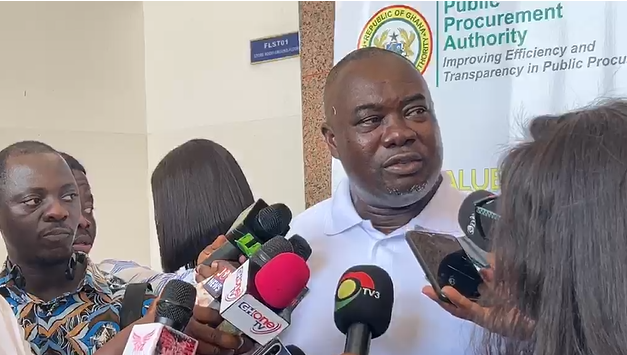
Chief Executive Officer of the Public Procurement Authority, Frank Mante, announced the adjustment at the 12th Public Procurement Forum in Accra.
He said the revised threshold applies to public institutions classified under procurement categories A, B and C.
The change gives heads of qualifying public institutions greater authority to approve the acquisition of goods required for their operations without going through an additional review-committee process.
Eight-fold Increase in Procurement Threshold
The revised limit represents an eight fold increase from the previous GH¢100,000 threshold.
Under the earlier arrangement, purchases above GH¢100,000 had to be referred to the appropriate review committee before institutions could proceed.
Read Also: Coalition Issues Urgent Warning on Jobs for Graduates with Disabilities
The new system allows qualifying transactions below GH¢800,000 to be handled directly by heads of public institutions through the applicable procurement procedures.
The PPA believes the adjustment will reduce administrative bottlenecks, particularly where institutions require goods urgently to support their operations and public-service delivery.
Public entities may consequently be able to complete some purchases more quickly without waiting for an additional layer of approval.
Reform Targets Delays in Public Procurement
Mr Mante said the adjustment was intended to improve the speed at which public institutions acquire goods.
Procurement delays can affect the operations of government institutions, especially where essential supplies, equipment and materials are required within a specific period.
By increasing the threshold, the PPA hopes to give institutions greater flexibility to respond to operational needs while reducing the time spent seeking review-committee clearance.
The reform is expected to have the greatest impact on transactions that fall between the former GH¢100,000 limit and the new GH¢800,000 threshold.
Heads of Institutions Get Greater Authority
The higher limit gives heads of public institutions wider decision-making authority over the procurement of goods.
However, the change does not remove the responsibility of institutions to comply with public procurement rules, maintain proper documentation and ensure value for money.
Public entities will still be expected to follow the appropriate procurement methods and demonstrate that purchases were conducted fairly and transparently.
The additional authority also places greater responsibility on heads of institutions and procurement officers to ensure public funds are properly managed.
Categories A, B and C Covered
The revised threshold applies to institutions under procurement categories A, B and C.
The classifications reflect differences in the procurement capacity, size and operational structure of public entities.
Extending the adjustment across the three categories means a broad range of public institutions could benefit from the faster approval process.
The PPA is expected to provide the necessary guidance to ensure institutions apply the revised threshold consistently.
Transparency Remains a Priority
The announcement was made at a forum held under the theme, “Deepening Compliance for Public Procurement Efficiency, Transparency and Effectiveness.”
The theme reflects the Authority’s attempt to balance faster procurement with accountability and compliance.
While the higher threshold is intended to reduce unnecessary delays, public institutions will still be required to justify their purchasing decisions and demonstrate that the State received value for money.
The success of the reform will depend on whether institutions can use the additional flexibility without weakening competition, transparency or financial controls.
Private Businesses Urged to Join GHANEPS
The PPA is also encouraging private-sector businesses to register on the Ghana Electronic Procurement System, popularly known as GHANEPS.
The digital platform enables businesses to identify government procurement opportunities and participate in tender processes electronically.
Mr Mante urged companies to undergo training to improve their understanding of the system and increase their ability to compete for public contracts.
The Authority believes greater private-sector participation will strengthen competition and improve transparency in government procurement.
Electronic System Could Expand Business Access
Registering on GHANEPS could give more businesses access to information about contracts offered by ministries, departments, agencies and other public institutions.
The electronic system also creates clearer records of procurement activities and reduces reliance on manual or paper-based processes.
Small and medium-sized enterprises could particularly benefit if they receive the necessary training and support to use the platform effectively.
Wider participation may also give public institutions more supplier options, potentially improving pricing and product quality.
Faster Procurement Must Protect Public Funds
The revised threshold will ultimately be assessed by whether it reduces delays while preserving accountability.
Public institutions will be expected to avoid practices that could undermine the purpose of the reform, including poorly documented transactions or purchases that fail to deliver value for money.
Effective internal controls and monitoring by the PPA will remain important as institutions begin operating under the new limit.
The Authority’s broader objective is to create a procurement system that supports timely public-service delivery while protecting state resources.
The combination of a higher approval threshold and increased use of GHANEPS is expected to improve both the efficiency and transparency of public procurement in Ghana.