











Illegal mining activities are responsible for about one in every four fiber cuts recorded across Ghana, disrupting telecommunications services and increasing pressure on network infrastructure.
Minister for Communication, Digital Technology and Innovation Samuel Nartey George says galamsey operators account for approximately 25 per cent of incidents in which underground fiber cables are damaged.
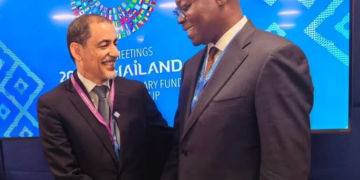
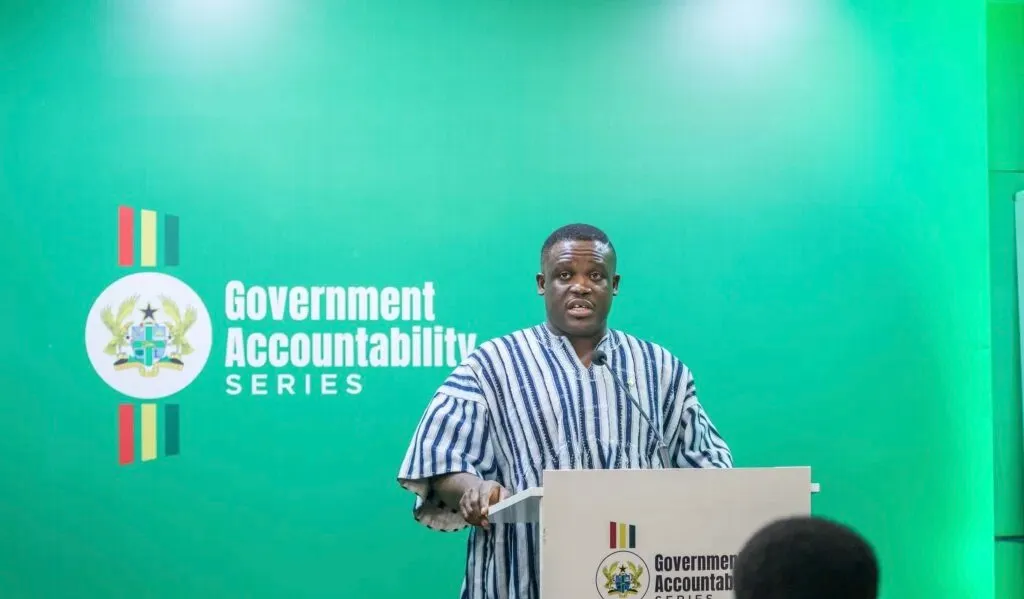
Speaking at the Government Accountability Series on Monday, September 7, 2026, the Minister described the telecommunications industry as one of the sectors most affected by illegal mining.
He explained that galamsey operators frequently damage fiber lines while excavating and often leave the affected areas without notifying telecommunications companies or the relevant authorities.
Unreported Cuts Delay Response
fiber-optic cables form a critical part of the infrastructure used to transmit voice and data services between different parts of the country.
When the cables are damaged, network performance can deteriorate, affecting telephone calls and other telecommunications services in the communities served by the affected routes.
Mr George said the problem becomes more difficult to address when those responsible fail to report the damage.
Unlike some road contractors who may inform telecommunications companies after accidentally cutting a fiber line, he said illegal miners typically leave without providing any information.
“Twenty-five per cent of that is galamsey. The telecom industry is one of the worst hit by the activities of galamsey operators because they just go in, they dig, they cut,” he said.
He added that while authorities might be fortunate to receive a report from a road contractor, galamsey operators usually do not report the incidents.
The lack of notification can make it more difficult for network operators to quickly identify the location of the damage and begin repair work.
Multiple Cuts Can Disrupt Entire Routes
The Minister warned that the impact becomes more severe when several fiber lines serving the same part of the country are cut within a short period.
Telecommunications companies often depend on alternative routes to maintain services when one line is damaged. However, simultaneous cuts can reduce those options and lead to significant network degradation.
Mr George cited a recent incident in which three separate fiber lines serving northern Ghana were cut within two hours.
He clarified that those particular incidents were associated with separate construction activities under the government’s Big Push infrastructure programme.
The cuts significantly affected network services in Tamale, with some residents unable to make telephone calls.
The incident demonstrated how damage to multiple fiber routes can quickly affect connectivity across a large area.
Private Construction Accounts for More Cuts
Illegal mining is not the only major source of damage to Ghana’s fiber infrastructure.
Mr George disclosed that private developers and other individuals undertaking construction activities account for an additional 26 per cent of fiber cuts.
Such damage may occur during excavation for buildings, roads, drains and other projects where the location of underground cables is ignored or unknown.
Combined, illegal mining and private construction activities account for more than half of the fiber cuts cited by the Minister.
The figures have raised concerns about the need for stronger coordination between developers, contractors, telecommunications companies and public authorities before excavation begins.
Telecom Industry Bears Heavy Cost
Repeated fiber cuts place additional operational and financial pressure on telecommunications companies.
Operators must identify the affected locations, deploy technical teams and repair or replace damaged infrastructure before normal services can be restored.
Where damage occurs along major routes, a single incident can affect customers across several communities.
Read Also: Sanitation Crisis Triggers Urgent Call for Action in Ghana
The Minister said the telecommunications sector had become particularly vulnerable because underground infrastructure often passes through areas where mining, road construction and private development are taking place.
While the environmental effects of galamsey remain a major national concern, the disclosure shows that illegal mining is also affecting the digital infrastructure needed to keep communities connected.
Stronger Protection Needed
Mr George’s comments have renewed attention on the protection of telecommunications infrastructure during mining and construction activities.
Reducing fiber cuts will require operators to know the location of underground cables, consult telecommunications companies before excavation and promptly report any accidental damage.
The Minister maintained that the scale of disruption linked to galamsey represented a serious challenge for the communications sector.
Government is expected to continue engaging telecommunications companies, contractors and other stakeholders on measures to protect fiber routes and improve the reliability of network services across the country.