








Ghanaians, businesses, religious organisations, political parties and community leaders have been urged to join a coordinated national effort to address the country’s sanitation crisis.
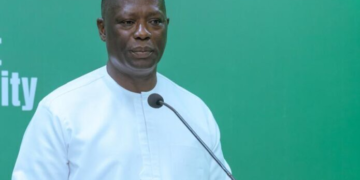
Minister for Local Government, Chieftaincy and Religious Affairs, Mahama Ayariga, says government interventions alone cannot deliver lasting improvements unless citizens change the everyday practices that contribute to poor sanitation.
He warned that indiscriminate waste disposal continues to expose communities to disease, flooding, rodent infestation, loss of lives and increased financial pressure on the State.
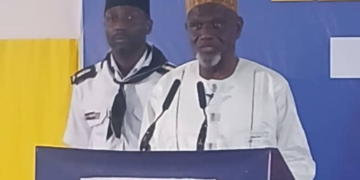
The Minister made the call at the launch of the Second Ecumenical Convention of the Christian Council of Ghana in Accra on Friday, September 4, 2026.
The convention is being held under the theme, “United in Christ, Transforming Society through Creation Care.”
Sanitation Declared a Shared National Responsibility
Mr Ayariga said sanitation affects all citizens regardless of their political, religious or social background and must therefore be treated as a collective national responsibility.
He cautioned against reducing the issue to partisan politics, arguing that dirty surroundings, blocked drains and related health risks do not distinguish between supporters of different political parties.
According to him, government can provide policies, infrastructure and enforcement, but these measures will have limited impact when people continue to dispose of waste irresponsibly.
The Minister therefore called for sustained cooperation among state institutions, traditional and community leaders, churches, businesses, civil society organisations and individuals.
He said addressing the sanitation challenge would require more than occasional clean-up exercises, particularly where the behaviours that create the problem remain unchanged.
Citizens Urged to Change Waste Disposal Habits
Mr Ayariga specifically appealed to the public to stop throwing used sachet-water plastics and other forms of rubbish into drains.
Read Also: Small-Scale Fisheries Talks Target Better Livelihoods
He also urged passengers and motorists to desist from throwing waste from moving vehicles, describing such practices as part of the behaviour that undermines efforts to maintain clean communities.
Waste dumped into drainage systems can obstruct the free movement of water during rainfall, increasing the risk of flooding in vulnerable communities.
The Minister stressed that citizens must take responsibility for how they handle waste rather than depending entirely on local assemblies and waste management companies.
He maintained that behavioural change at the individual and household levels would be critical to achieving sustainable sanitation outcomes.
Traders and Businesses Given Responsibility
Shop owners, traders and other businesses were also urged to keep the pavements and surroundings of their premises clean.
Mr Ayariga said commercial operators should not focus only on the cleanliness of the interior of their shops while allowing waste to accumulate immediately outside their businesses.
He called on businesses to regard environmental cleanliness as part of their operational responsibility to customers and surrounding communities.
The Minister said greater involvement from the private sector could strengthen existing sanitation interventions and help reduce the burden placed on local assemblies.
Businesses were also encouraged to support waste-management initiatives and comply with local sanitation regulations.
Poor Sanitation Threatens Public Health
The Minister warned that Ghana’s sanitation challenge goes beyond the appearance of dirty streets and public spaces.
He said unmanaged waste creates conditions that encourage the spread of diseases and the multiplication of rodents and other disease-carrying pests.
Blocked drainage systems also increase the risk of flooding, particularly during periods of heavy rainfall.
Such floods can destroy homes, businesses and public infrastructure and, in severe cases, result in injuries and loss of lives.
Mr Ayariga said repeated sanitation-related emergencies compel the State to spend additional resources on clean-up operations, emergency response and the restoration of damaged infrastructure.
He argued that preventing these problems through responsible behaviour would be more effective and less costly than repeatedly responding after damage had occurred.
Sanitation Could Affect Investment
Beyond the health and environmental consequences, Mr Ayariga warned that poor sanitation could make communities less attractive to investors.
Businesses and investors, he noted, are more likely to operate in locations with clean surroundings, reliable infrastructure and effective waste-management systems.
Communities characterised by filth, blocked drains and recurring floods may struggle to attract commercial activity and other forms of development.
The Minister therefore described improved sanitation as an economic issue as well as a public health and environmental priority.
He said maintaining clean communities could strengthen local economies, protect livelihoods and improve the overall quality of life.
Churches Asked to Promote Environmental Responsibility
Mr Ayariga called on churches to use their extensive influence to encourage members to adopt responsible environmental practices.
He said religious organisations interact regularly with large sections of the population and are therefore well positioned to reinforce messages about cleanliness, waste disposal and environmental protection.
The Christian Council of Ghana, he added, could mobilise churches and young people to participate in community sanitation exercises and broader climate action.
The Minister encouraged church leaders to integrate environmental responsibility into their teaching and community activities.
He maintained that faith-based organisations could help transform sanitation from an occasional public campaign into a sustained culture within homes and communities.
Parents Asked to Teach Children Early
Parents were also encouraged to instil responsible environmental habits in children from an early age.
Mr Ayariga said children who are taught not to litter and to respect their surroundings are more likely to grow into adults who take sanitation seriously.
He therefore urged families to treat environmental responsibility as an important part of the values passed on to younger generations.
The Minister said long-term behavioural change would be difficult to achieve unless sanitation education begins in homes and continues through schools, churches and community organisations.
Christian Council Urged to Deepen Partnerships
The Minister encouraged the Christian Council of Ghana to strengthen collaboration with government, the private sector, civil society organisations and development partners.
He identified sanitation, afforestation, waste management and renewable energy as areas in which stronger partnerships could produce meaningful results.
The proposed cooperation is expected to combine the organisational reach of churches with the technical expertise and resources available to government agencies, businesses and development organisations.
Mr Ayariga said no single institution had the capacity to solve Ghana’s environmental challenges independently.
He therefore called for coordinated programmes that would move beyond declarations and translate into measurable action within communities.
Collective Action Seen as Essential
The Minister reaffirmed that government would continue implementing measures to improve sanitation and environmental management across the country.
He stressed, however, that the success of those interventions would ultimately depend on the conduct of citizens in their homes, workplaces, vehicles and public spaces.
He urged Ghanaians to recognise that every act of irresponsible waste disposal contributes to a larger national problem.
Sustained cooperation among government, churches, political organisations, businesses, families and individuals, he said, would be essential to creating cleaner, safer and healthier communities.
The Second Ecumenical Convention is expected to provide an additional platform for the Christian Council and its member churches to promote environmental stewardship and practical community action.