









The Narcotics Control Commission (NACCOC) Central Regional Command, has raised alarm over the growing abuse of controlled substances among young people in the region, revealing that a new drug known as “Red” has become the latest threat, while traffickers are increasingly using fishermen, courier services and commercial transport operators to move illegal drugs.
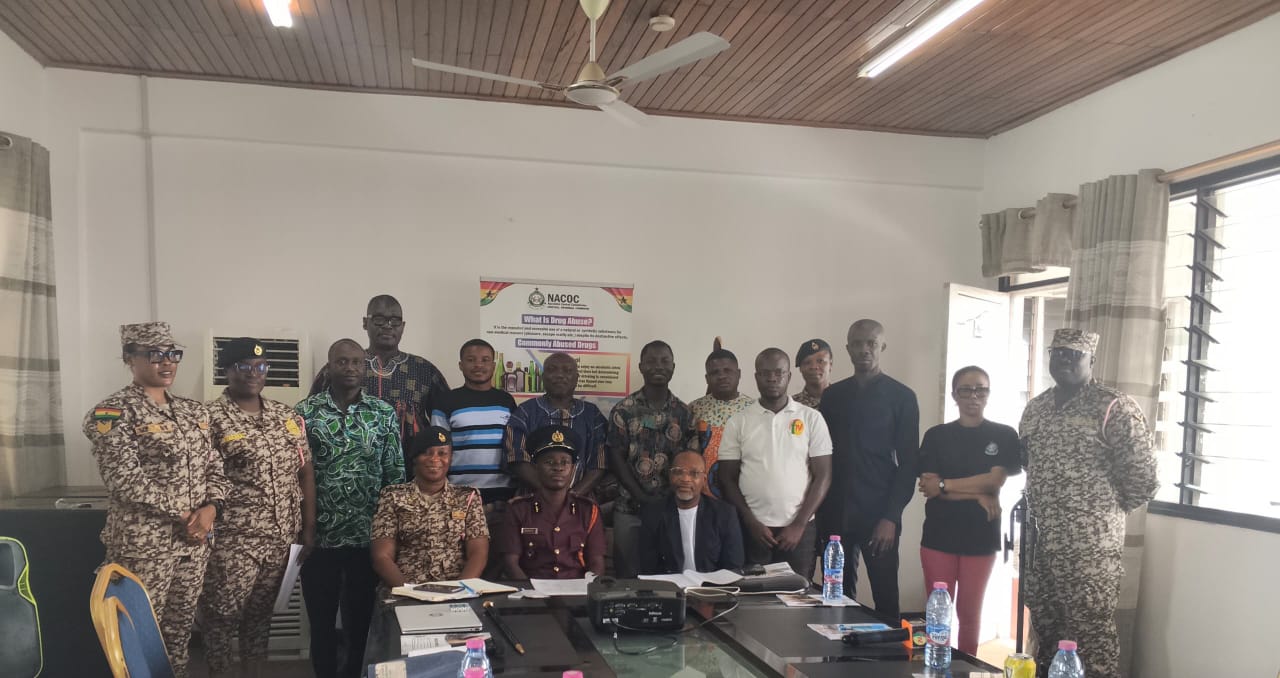
Speaking during a media engagement in Cape Coast on Wednesday, July 29, the Head of Drug Demand Reduction at the Central Regional Command, Deputy Superintendent of Narcotics (DSN) Alice Erzah, called for stronger collaboration between the media and the Commission to intensify public education and curb the growing menace.
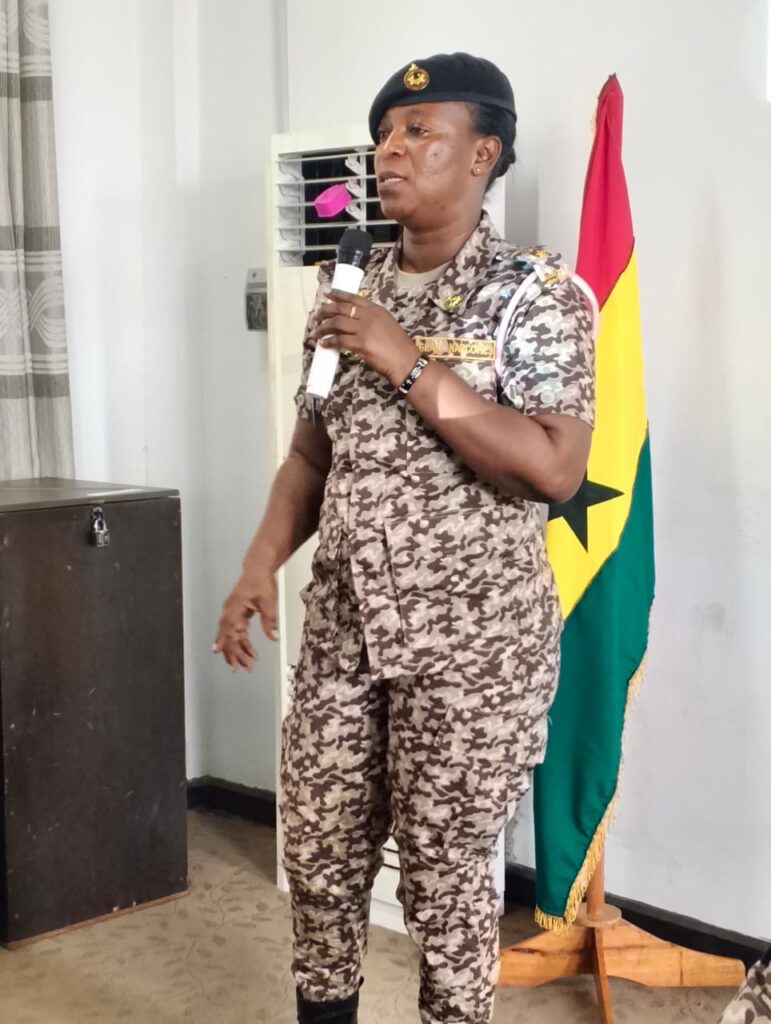
According to her, the Commission’s Drug Demand Reduction Department has been carrying out extensive public education through schools, communities, churches, mosques, markets and among artisans to raise awareness about the harmful effects of drug abuse.
“We have developed a programme called ‘Catch Them Young’, where we begin educating children from an early age by showing them videos and pictures of the devastating effects of drug abuse so they will not be easily influenced by peer pressure,” she explained.
‘Red’ Replacing Tramadol as the New Threat
DSN Erzah disclosed that after years of battling the abuse of tramadol, another dangerous controlled substance known as “Red” has rapidly become widespread across the country.
She stressed that the drug is illegal to import into Ghana and warned that authorities are intensifying efforts to stop its distribution.
“Red is like the senior brother of tramadol. It is everywhere, and we are joining forces to fight both narcotic drugs and the abuse of controlled medicines,” she stated.
Youth Mixing Drugs with Food and Drinks
The Commission also expressed concern over emerging drug abuse trends among young people, revealing that users are now experimenting with dangerous mixtures.
Among the disturbing practices identified are:
– Mixing alcohol with marijuana;
– Mixing energy drinks with mentholated sweets;
– Mixing sobolo with cannabis; and
– Mixing codeine with beans (popularly known as gobɛ).
According to DSN Erzah, many young people engage in these practices simply to experience a “high,” without understanding the severe health consequences.
She attributed the situation partly to the indiscriminate sale of prescription medicines such as codeine without proper medical supervision.
“These medicines are supposed to be taken under strict medical supervision with prescribed dosages, but some people buy and misuse them just to feel high,” she warned.
She added that prolonged abuse could lead to serious health complications, many of which are only detected at advanced stages because many people rarely go for regular medical check-ups.
Fishermen, Courier Services Being Used by Drug Traffickers
Beyond drug abuse, the Commission revealed worrying trends in drug trafficking across the Central Region.
According to DSN Erzah, intelligence gathered by the Commission indicates that traffickers are increasingly exploiting fishermen operating on the high seas to transport illegal drugs into the country before distributing them through courier services and commercial transport operators.
She also disclosed that drugs are sometimes concealed in parcels, food delivery containers and packages collected by unsuspecting individuals on school campuses.
The Commission noted that several arrests have already been made through intelligence-led operations, although many enforcement activities are conducted discreetly.
Money Driving Fishermen into Drug Trafficking
Explaining why some fishermen become involved in the illegal trade, DSN Erzah said financial incentives remain the biggest motivation.
She noted that while fishing may yield relatively low returns, drug traffickers often offer enormous sums of money, making the illegal business attractive to some individuals.
“It’s all about financial gain. When someone is promised thousands or even millions of cedis for transporting drugs, some people are tempted to take the risk,” she said.
Media Urged to Lead Public Awareness Campaign
DSN Erzah appealed to media organizations across the Central Region to partner with the Narcotics Control Commission by dedicating airtime and publication space to sustained public education on drug abuse and trafficking.
She stressed that combating the drug menace requires a collective effort involving government institutions, the media, communities, parents, schools and religious organizations. “We are encouraging our brothers and sisters in the media to collaborate with us so that together we can reduce the growing drug menace in the Central Region through continuous education and sensitization,” she appealed.
READ ALSO: Galamsey Threatens Cape Three Points Marine Area — Dr Arizi