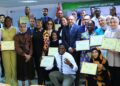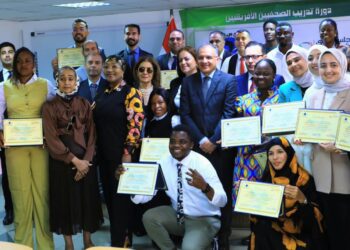
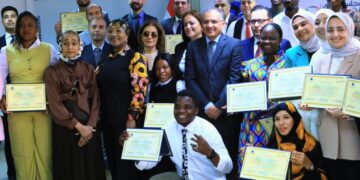







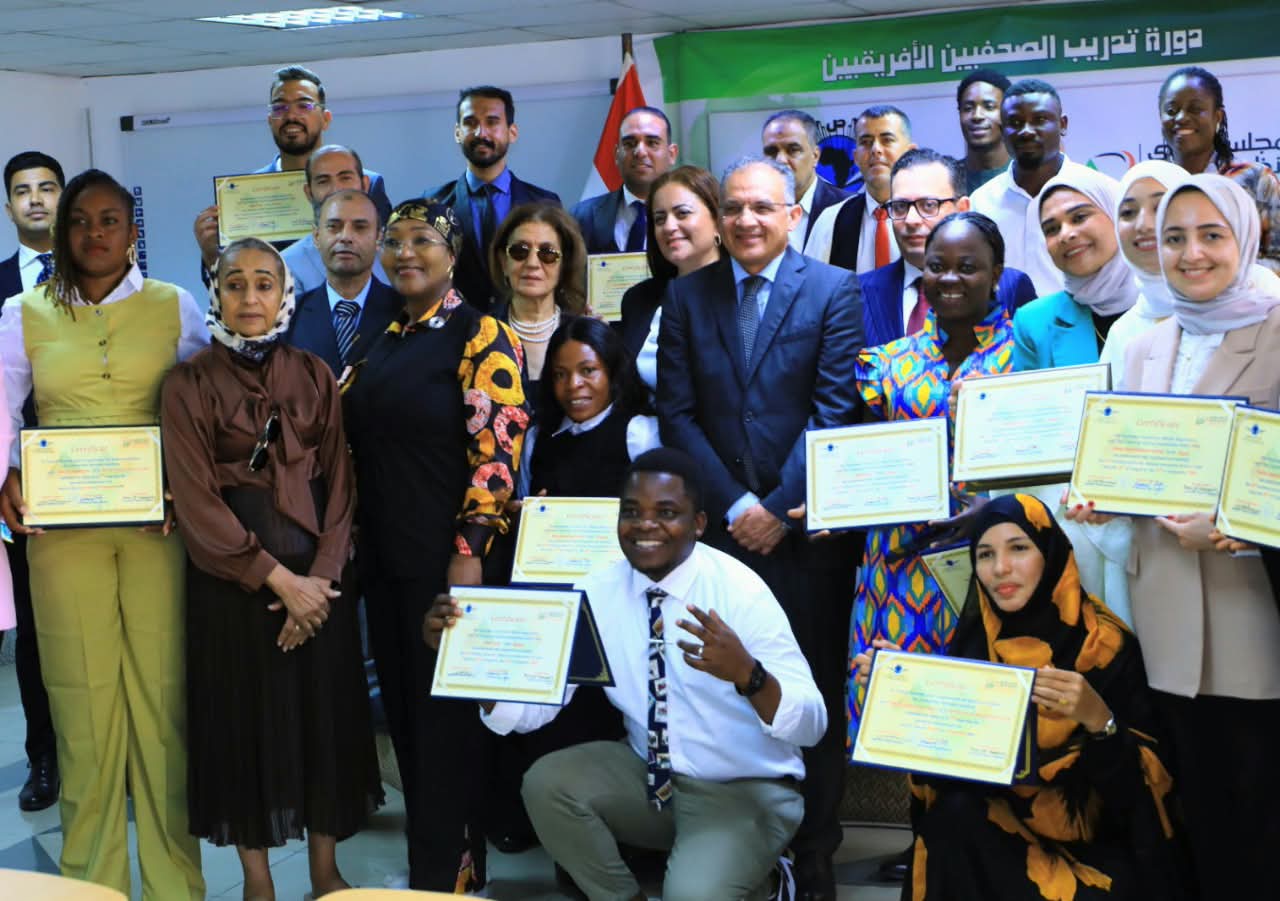
The 63rd Training Course of the Union of African Journalists (UAJ) has come to a close with a call on participants to leverage their shared identity and challenges to foster continuous collaboration and mutual development in the continent.
Dr. Mohammed Fayez Farhat, President of the UAJ, speaking with ATLFM NEWS at the closing ceremony emphasized that despite differences, African journalists face common challenges that require unified solutions and stronger collaboration.
Highlighting the vision behind the fellowship, he noted that African journalists must harness their commonalities to build regional media strength.
“We share this very prestigious identity, so I think we have a very common area of cooperation… The Union of African Journalists is a very important asset. I think we should invest together in this asset to develop and to make interactions, cooperation among African journalists in general,” he said.
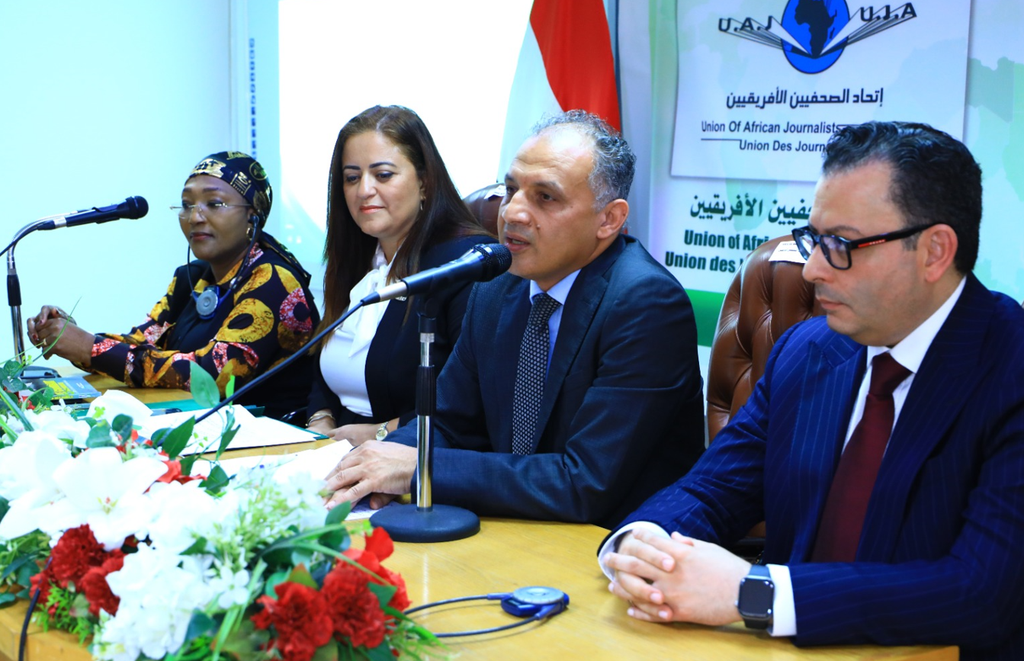
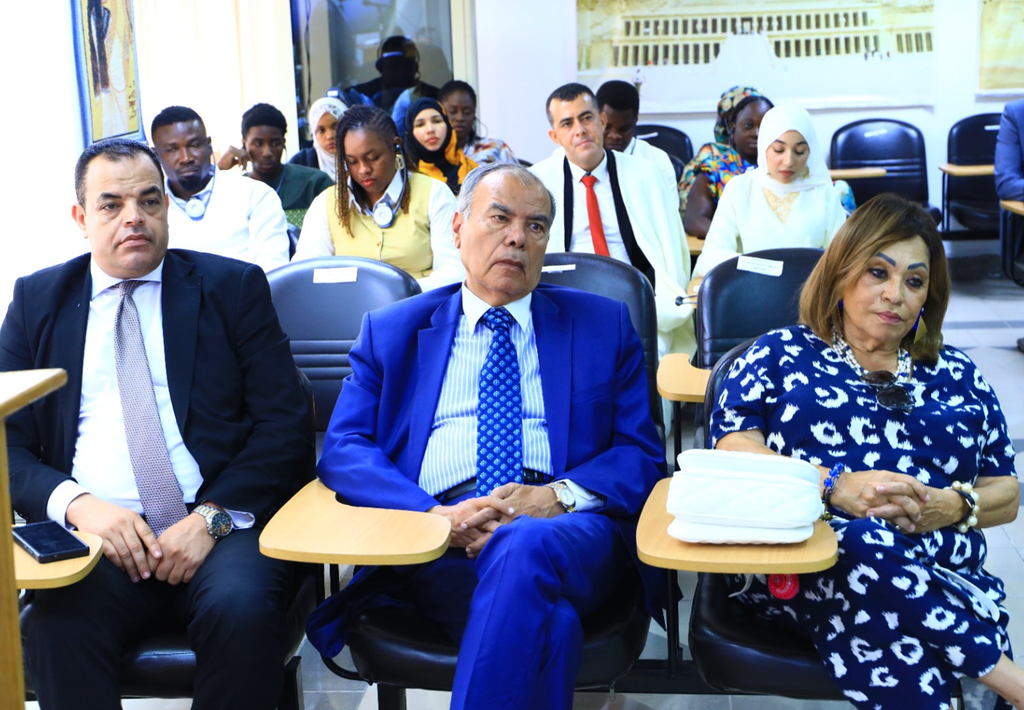
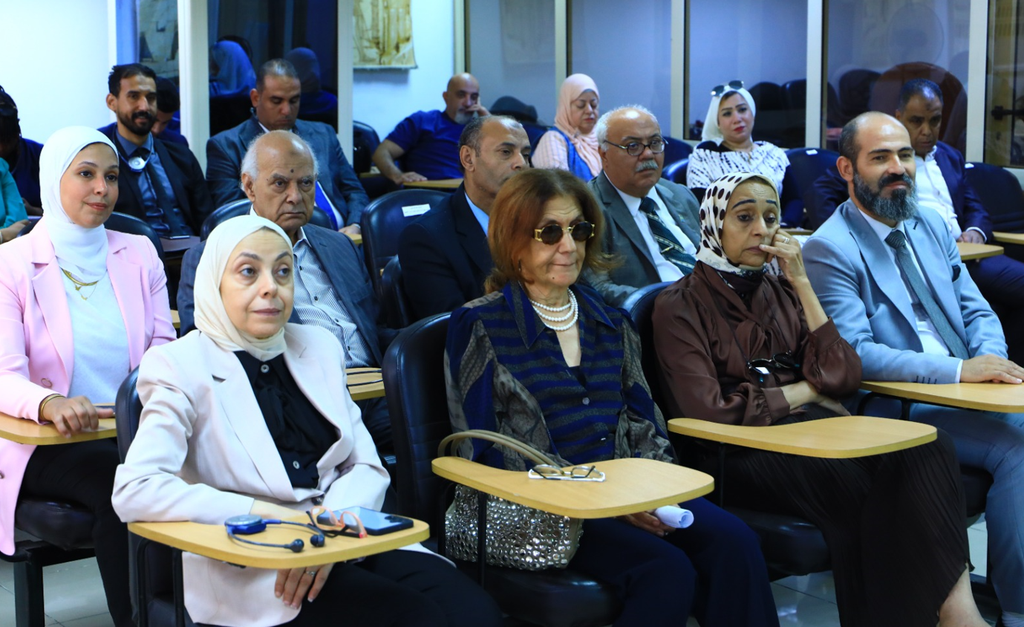
He urged the participants to view the UAJ as a strategic platform for professional engagement long after the training, encouraging them to continuously share their respective national development experiences across the continent.
On his part,Counsellor Reem Hindi, Member of the General Secretariat of the Supreme Council for Media Regulation, stressed that the continuing collaboration between the Council and the UAJ will help raise professional standards and media ethics.
She also reaffirmed Egypt’s commitment to supporting media cooperation across the continent.
Training Programme
The three-week training course was held in honour of former President of UAJ and Egypt’s veteran journalist and writer, Mahfouz El-Ansary, in recognition of his more than 35 years of dedicated service to African journalism.
It was organised by the UAJ in collaboration with the Supreme Council for Media Regulation and the Egyptian Ministry of Foreign Affairs, and brought together media professionals from the African continent.
Participating journalists were drawn from Ghana, Nigeria, Zambia, Tanzania, Malawi, Algeria, Senegal,Tunisia, Malawi, Rwanda, Mauritania, Côte d’Ivoire and Egypt.
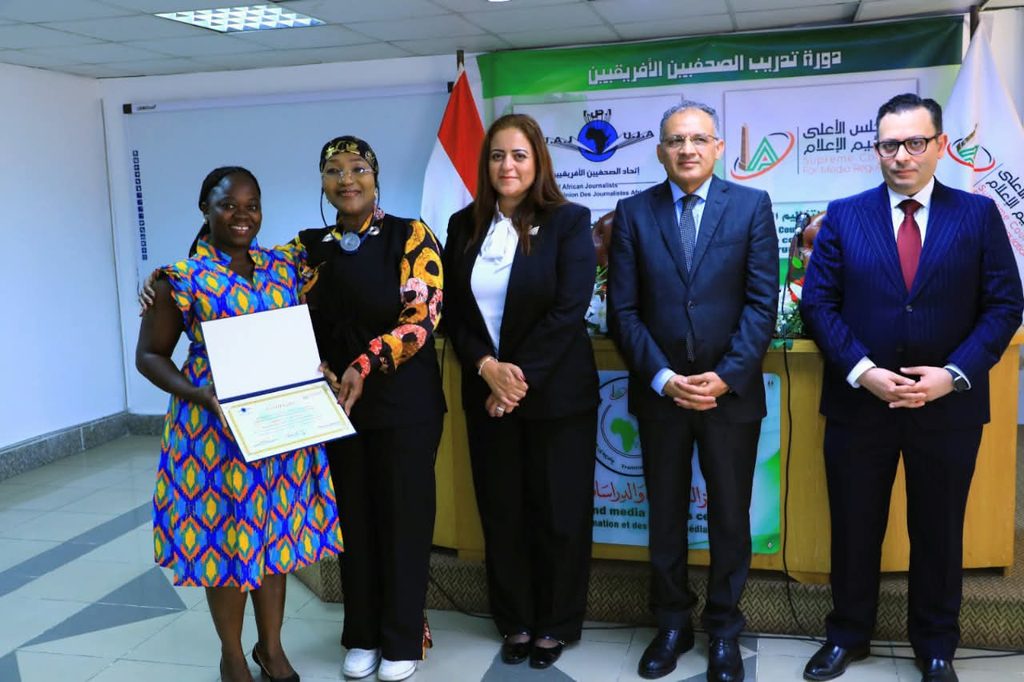
The curriculum addressed topics designed to sharpen modern investigative skills, navigate emerging ethical and technological challenges in media, and strengthen journalists’ safety and cultural reporting across Africa.
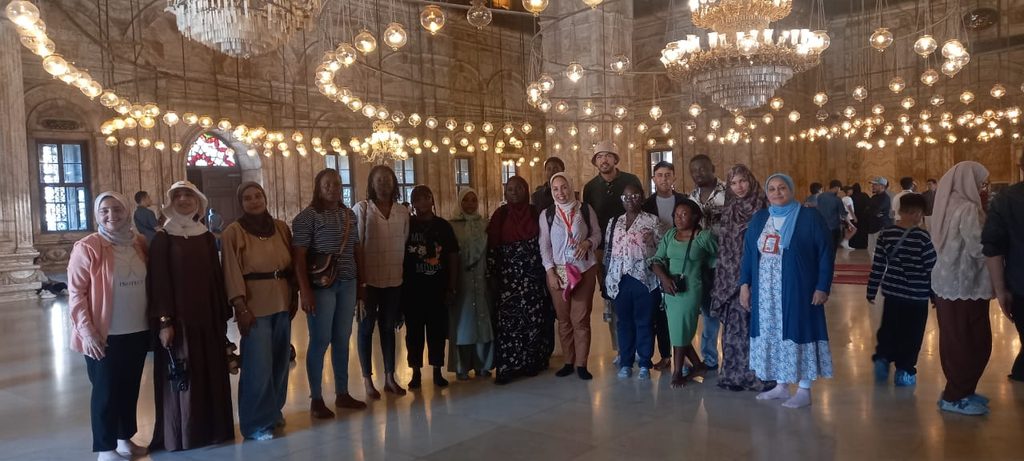
Beyond the lecture room sessions, participants embarked on educational visits to the Grand Egyptian Museum, the Pyramids and Sphinx of Giza, the River Nile, the Religious Complex, the Citadel and several historical sites in Egypt.
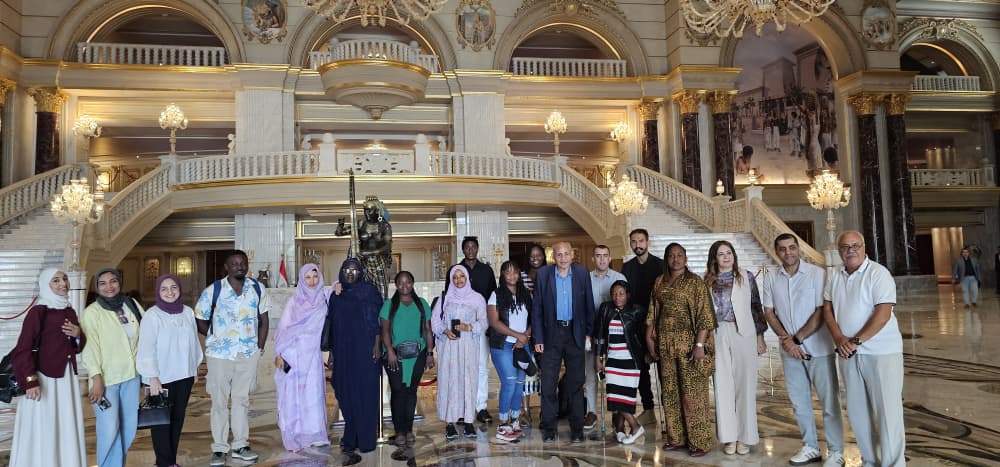
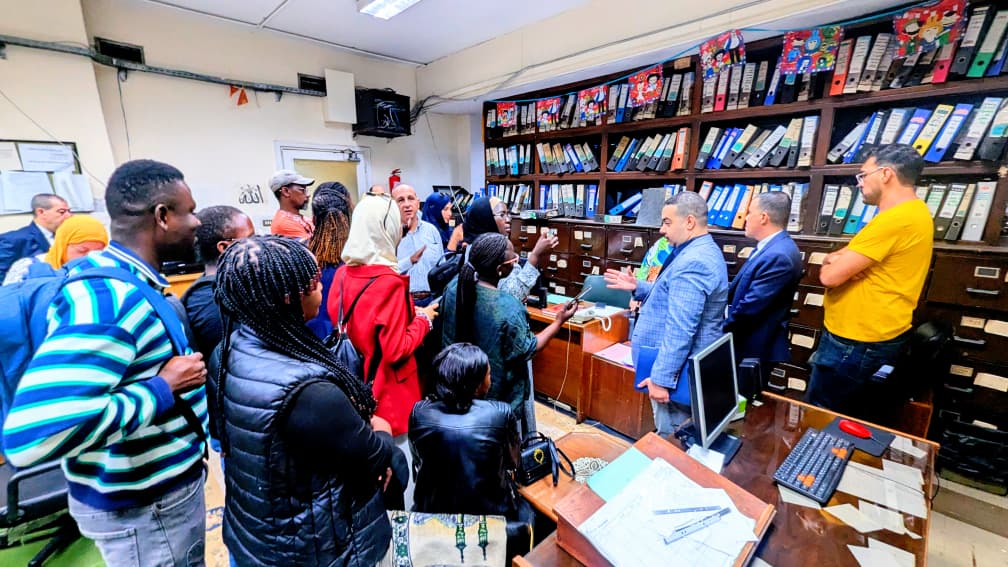
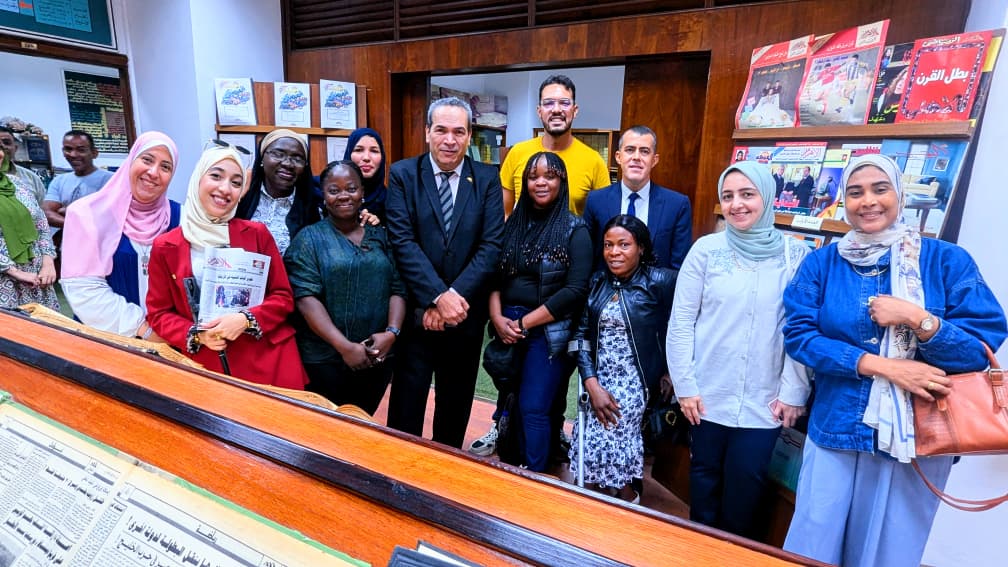
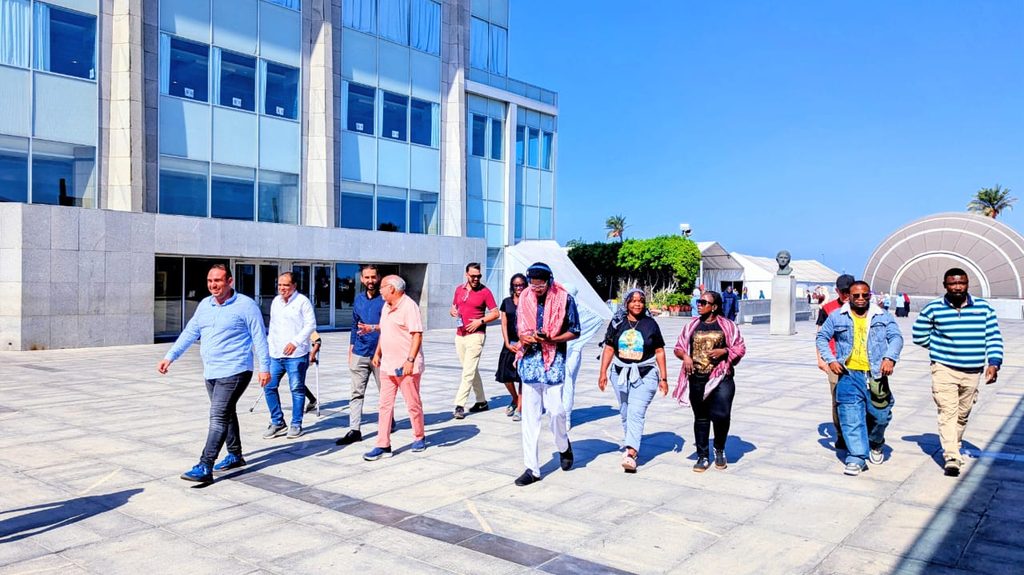
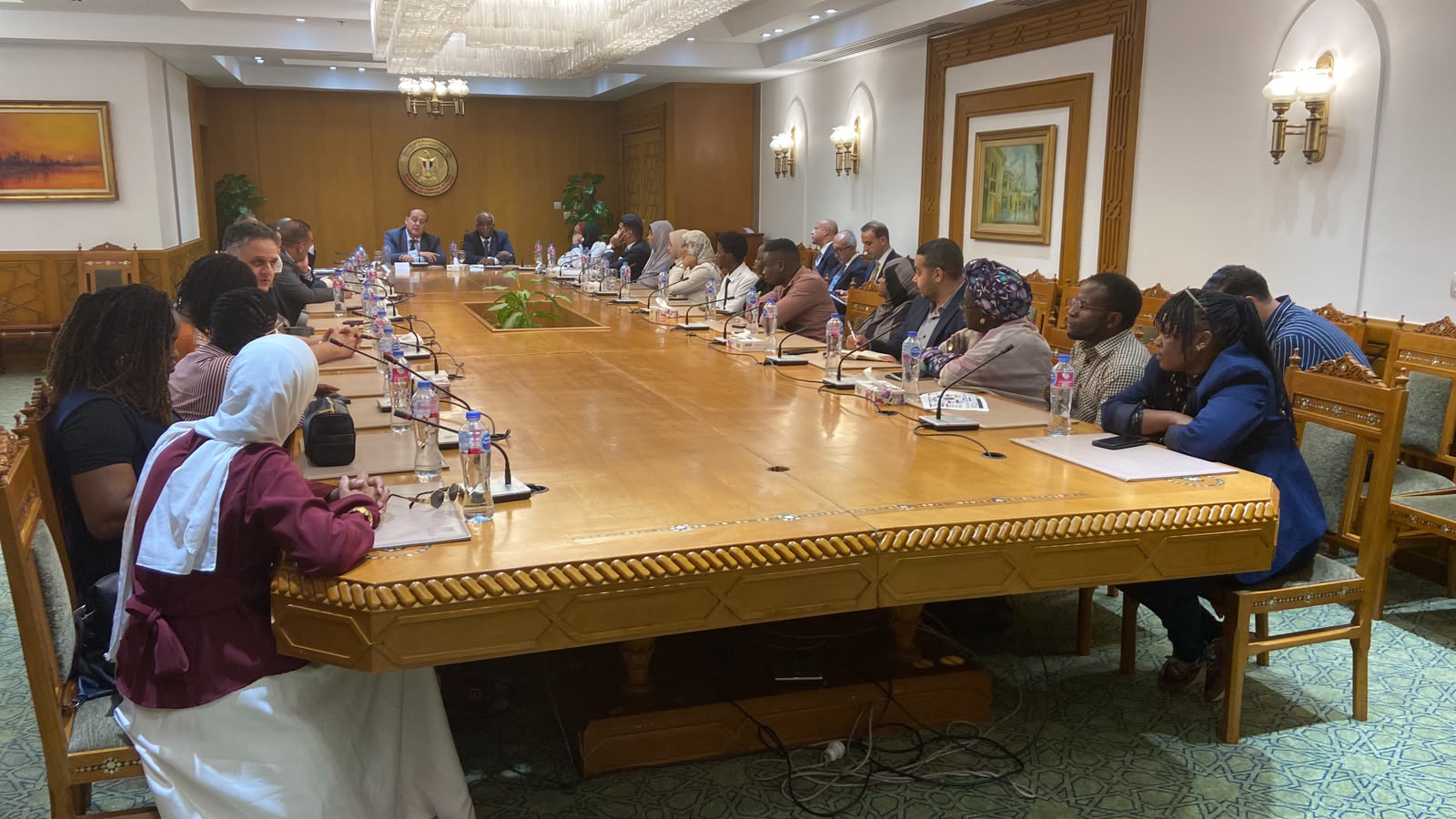
Participants also attended a day-long workshop at the American University in Cairo and visited Egypt’s New Administrative Capital City, prominent media organizations, the Ministry of Foreign Affairs, the North Africa Regional Office, the Egyptian Press Syndicate and the Elsewedy Electric Project.
Source: Aba Aikins/ATLFMNEWS