














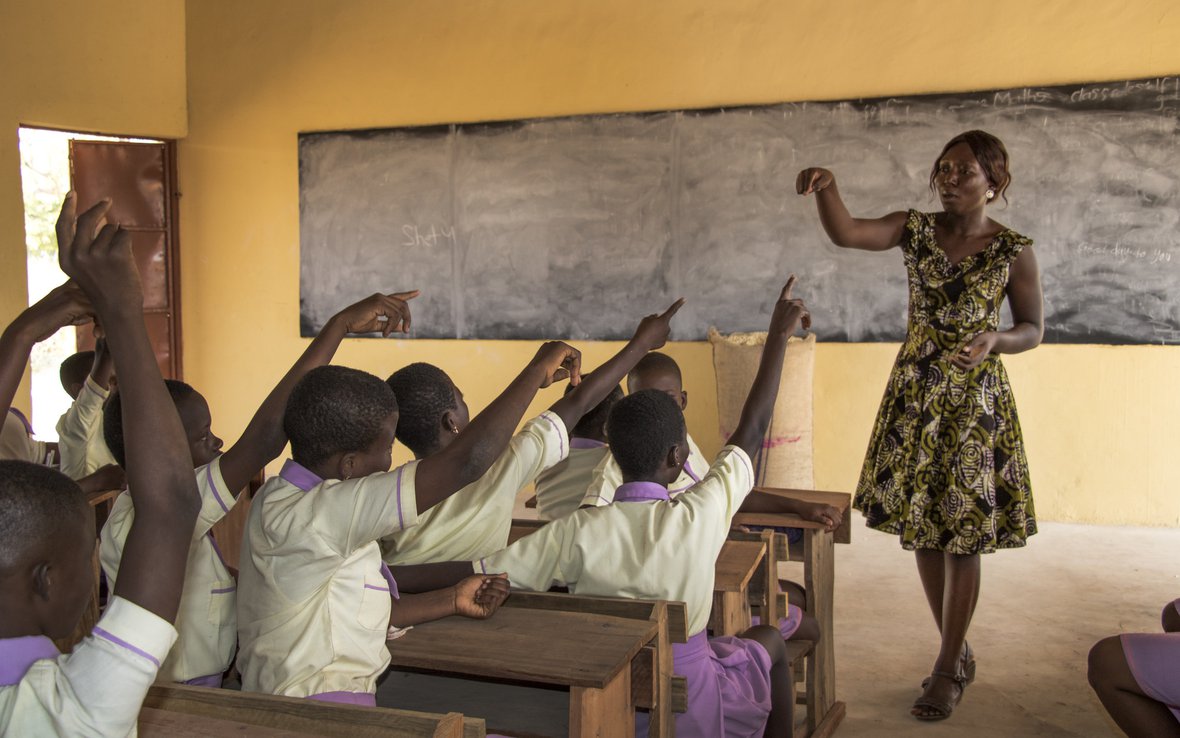
Teachers serving in rural and deprived communities across Ghana will now qualify earlier for study leave with pay under a new government policy aimed at improving teacher welfare and encouraging more educators to accept postings to underserved areas.
The revised policy reduces the qualifying period for study leave with pay from three years to two years for teachers who voluntarily accept postings to rural communities.
Education Minister Haruna Iddrisu announced the measure in Parliament on Thursday, July 2, describing it as part of a broader strategy to attract, motivate and retain teachers in hard-to-reach areas.
Earlier Access to Study Leave
Under the new arrangement, teachers posted to rural and deprived communities will become eligible to apply for study leave with pay after completing two years of service.
According to the Minister, the reduction is intended to reward teachers who choose to work in underserved communities while strengthening the quality of education in those areas.
He said improving teacher welfare remains a key priority for government.
Read Also: New Rent Control Desk to Protect UCC Students
More Incentives Planned
Mr. Iddrisu also announced plans to introduce a 20 percent rural posting allowance for teachers serving in deprived communities.
He disclosed that the Ministry of Finance, the Ministry of Education and the Ghana Education Service are working together to operationalise the allowance.
The proposed incentive is expected to improve teacher motivation and retention in rural schools.
Housing Support on the Way
Government is also addressing accommodation challenges through the proposed Teacher Dabre Initiative, which aims to provide housing for teachers working in rural communities.
The Minister explained that the initiative, outlined in President John Dramani Mahama’s 2024 campaign manifesto, is expected to make rural postings more attractive and sustainable.
School Projects to Include Teacher Housing
As part of efforts to improve working conditions, government has directed that all newly awarded school infrastructure contracts should include accommodation for teachers.
According to Mr. Iddrisu, integrating housing into school projects will help address one of the biggest challenges affecting teacher deployment in rural Ghana.
Strengthening Teacher Welfare
The Education Minister reaffirmed government’s commitment to improving teacher welfare through better incentives, continuous professional development and improved working conditions.
He said the latest measures form part of a broader effort to ensure every community has access to qualified and motivated teachers capable of delivering quality education across the country.