












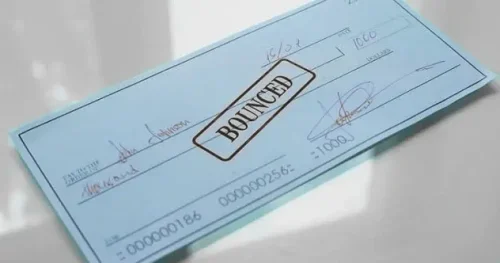
The Bank of Ghana (BoG) has announced tougher measures against customers who repeatedly issue dud cheques, introducing stricter sanctions aimed at improving discipline and restoring confidence in cheque transactions.
The new directive, contained in Notice No. BG/GOV/SEC/2026/12, targets habitual offenders with penalties that escalate with repeated violations, including long-term restrictions on cheque issuance and access to bank credit.
According to the Central Bank, the move is intended to curb the growing incidence of dishonoured cheques and strengthen the integrity of Ghana’s financial system.
Tougher Sanctions for Repeat Offenders
Under the new rules, customers who issue a dud cheque for the first time will face sanctions from their financial institutions and will be placed under surveillance for at least one year.
Banks are also required to report the offence to the Bank of Ghana and licensed Credit Reference Bureaus for monitoring purposes.
However, penalties become significantly stricter for customers who repeatedly violate the regulations.
Three-Year Cheque Ban
The Bank of Ghana announced that customers found issuing dud cheques for a third time will be prohibited from issuing cheques anywhere in the country for a minimum of three years.
Read Also: Styrofoam Ban to Focus on Awareness, Not Prosecution – EPA
Although affected customers will still be allowed to receive funds into their accounts and carry out electronic transactions, they will lose the privilege of issuing cheques throughout the sanction period.
The Central Bank also stated that repeat offenders will be denied access to new credit facilities from the banking sector for one year.
Banks Directed to Retrieve Cheque Books
Financial institutions have been instructed to retrieve unused cheque books from sanctioned customers and refrain from issuing replacement cheque books until the penalties have expired.
The Bank warned that customers who fail to return unused cheque books after notification could face additional sanctions.
It also announced plans to establish a Directory of High-Risk Cheque Issuers to improve monitoring and compliance across the banking industry.
Strengthening Financial Discipline
The Central Bank said the new measures were introduced after observing a persistently high number of dishonoured cheque transactions despite earlier interventions.
According to the Bank, strengthening enforcement is necessary to protect confidence in cheque payments and discourage abuse of banking facilities.
The directive also requires banks and specialised deposit-taking institutions to prominently display the new rules in banking halls and on their official websites to ensure customers are fully informed.
Preserving Confidence in the Banking System
The Bank of Ghana believes the strengthened sanctions will promote responsible use of cheque facilities while improving accountability within the financial sector.
Officials say the measures form part of broader efforts to safeguard Ghana’s payment systems and reinforce trust in banking transactions nationwide.