














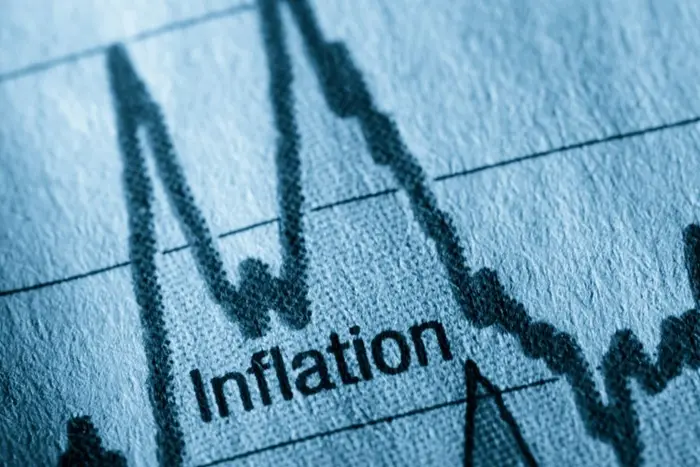
Consumer prices in Ghana accelerated again in June, marking the third consecutive monthly increase as higher non-food costs pushed overall price growth to 5.3 percent, according to the latest Consumer Price Index released by the Ghana Statistical Service (GSS).
The latest figures indicate that while inflation remains significantly lower than levels recorded a year ago, prices are beginning to climb again after several months of relatively moderate increases.
According to the GSS, the latest rise was driven mainly by non-food items, with locally produced goods continuing to account for the largest share of overall price growth.
Non-Food Costs Drive Increase
Government Statistician Dr. Alhassan Iddrisu said non-food inflation rose sharply from 4.1 percent in May to 6.3 percent in June.
Food inflation also increased, moving from 3.3 percent to 3.9 percent over the same period, although its contribution to the overall rise was less significant.
The data suggest that increasing costs outside the food sector remain the main driver of consumer price growth.
Local Goods Continue to Lead
The report showed that inflation for locally produced goods increased from 5.0 percent in May to 6.7 percent in June.
Locally produced items accounted for 86.6 percent of headline inflation during the month.
Read Also: Mahama Urges Youth to Dream Big and Reject Shortcuts
Meanwhile, imported goods recorded a more moderate increase, with inflation rising from 0.9 percent to 2.3 percent.
Services Still Cost More
Although services inflation eased slightly to 9.4 percent from 9.9 percent, it remained considerably higher than inflation for goods.
Goods inflation, however, recorded a sharp jump from 1.4 percent in May to 3.7 percent in June.
According to Dr. Iddrisu, sectors such as transport, rent, education, accommodation and other non-food services continue to place upward pressure on consumer prices.
Regional Differences Persist
The North East Region recorded the highest inflation rate in the country at 10.2 percent.
In contrast, the Bono East Region registered the lowest inflation rate at minus 4.4 percent, indicating an overall decline in average prices during the period.
Annual Inflation Remains Lower
Despite the latest monthly increase, Ghana’s inflation rate remains well below the 13.7 percent recorded in June 2025.
The year-on-year decline indicates that although prices are rising again, the pace of inflation remains substantially lower than it was a year ago.
Economists are expected to closely monitor the trend in the coming months to assess its potential impact on household spending, business activity and future monetary policy decisions.