











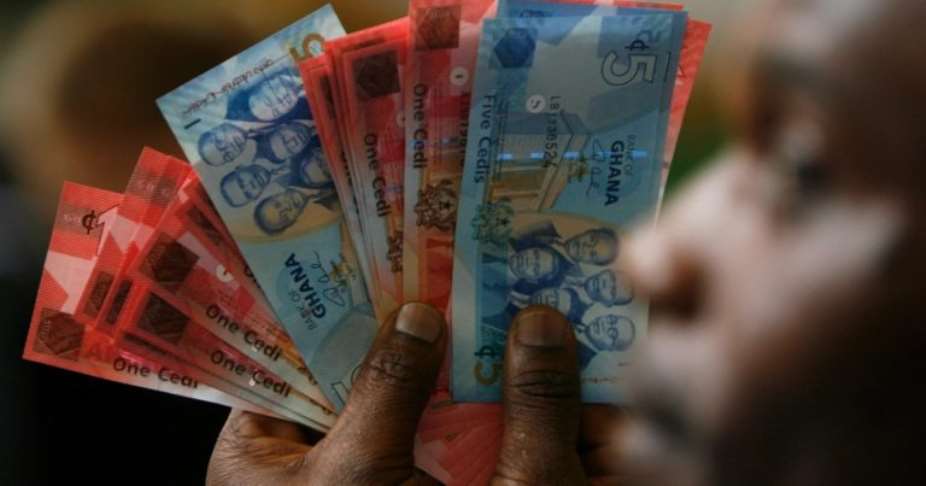
A new campaign to encourage cleaner handling of Ghana’s banknotes has been launched as the Bank of Ghana seeks to reduce the spread of bacteria and extend the lifespan of the country’s currency.
The initiative forms part of the Central Bank’s support for the National Clean-Up Exercise and aims to promote better cash-handling practices, particularly in markets where physical cash remains the primary means of payment.
According to the Bank of Ghana, cleaner banknotes not only improve public health but also reduce the cost of replacing damaged currency.
Cleaner Cash, Healthier Communities
Governor of the Bank of Ghana, Dr. Johnson Asiama, said research has shown that banknotes can harbor bacteria capable of being transferred from one person to another during everyday transactions.
He explained that proper sanitation and responsible cash handling are important in protecting public health while preserving the quality of Ghana’s currency.
According to him, traders should avoid exposing banknotes to dirt, moisture, and other contaminants.
Read Also: New Twist in Delayed Weija Children’s Hospital Project
Focus on Market Sanitation
Dr. Asiama said the Central Bank is working closely with market authorities to improve sanitation in major trading centres.
He noted that cleaner market environments contribute significantly to better handling and preservation of banknotes.
The Governor added that maintaining clean surroundings benefits both traders and consumers.
Better Cash Handling Encouraged
The Bank of Ghana is urging traders and businesses to adopt responsible cash-handling practices to help extend the lifespan of banknotes.
Officials believe improved handling will reduce the number of damaged notes that require replacement, lowering the overall cost of currency management.
Supporting National Clean-Up Efforts
The Governor said the Central Bank’s participation in the National Clean-Up Exercise reflects its broader commitment to environmental sanitation and responsible currency management.
He stressed that promoting cleaner commercial environments is essential to preserving the integrity of Ghana’s currency while supporting healthier communities.
The Bank of Ghana says it will continue collaborating with market authorities and stakeholders to encourage cleaner markets and better cash-handling practices nationwide.