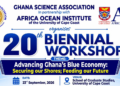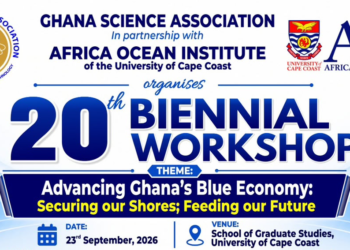
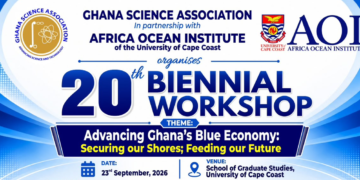





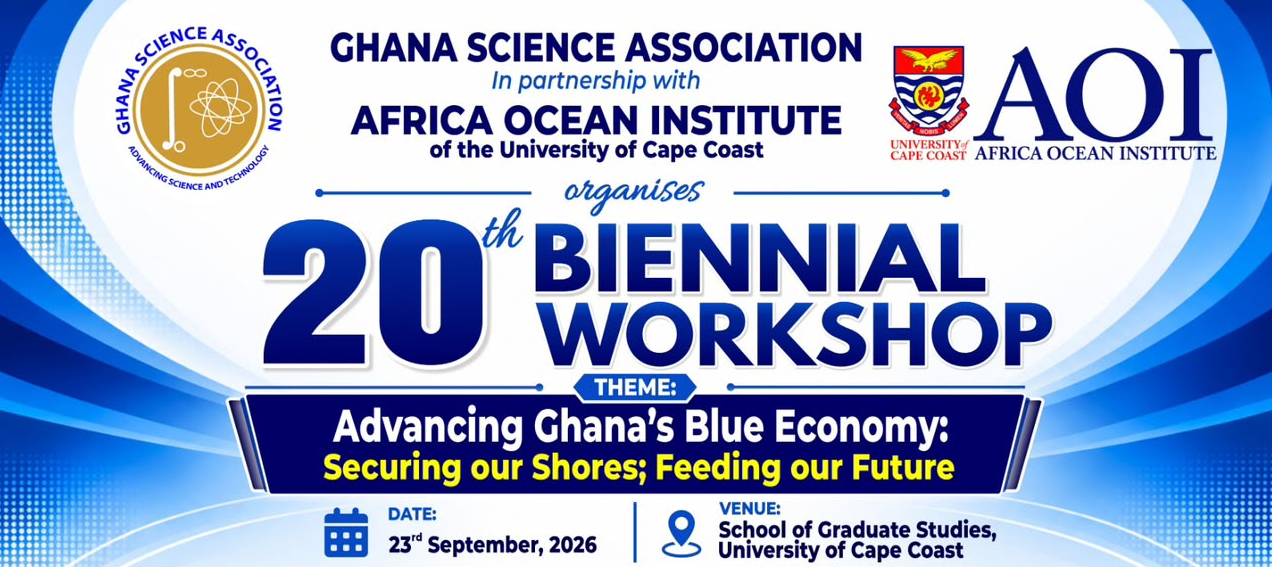
The 20th Biennial Workshop of the Ghana Science Association has called for stronger collaboration among scientists, policymakers, industry players and coastal communities to address growing threats to Ghana’s marine and coastal ecosystems.
The workshop, held at the University of Cape Coast, focused on the urgency of protecting the oceans while securing livelihoods through a sustainable and inclusive Blue Economy.
The discussions highlighted illegal and unregulated fishing, plastic pollution, illegal mining and climate change as major threats to Ghana’s marine ecosystems and fisheries.
The discussions focused on how declining fish stocks, driven by illegal fishing and environmental degradation, could have serious implications for national food security and the livelihoods of coastal communities.
Speaking at the opening ceremony of the workshop, Executive Director of the Fisheries Commission, Professor Benjamin Campion, called for greater investment in applied fisheries research, particularly technologies that can reduce post-harvest losses and improve fishing practices.
He stressed the need for scientific knowledge to reach fishers and fishmongers in forms that are affordable, practical and easy to use, while also incorporating the knowledge and experiences of fishing communities into scientific research.
Meanwhile, a representative of the Ministry of Fisheries and Aquaculture Development, Mr Fred Antwi Boadu, reaffirmed the government’s commitment to strengthening enforcement against illegal fishing through multi-agency collaboration.
He also highlighted efforts to protect marine ecosystems and promote livelihood diversification in coastal communities.
Mr Boadu called for the establishment of a joint technical working group between the Ministry and the Ghana Science Association to strengthen collaboration on fisheries and Blue Economy issues.
The workshop further highlighted Ghana’s emerging Blue Economy governance framework. The Blue Economy Secretariat, established in 2025, has developed a strategy and 10-year action plan, while a proposed Blue Economy Commission Bill is undergoing stakeholder engagement.
The scientific community was urged to translate research findings into policy action, co-create digital monitoring solutions, practice community-centered science and promote equity through Blue Justice.
Representing Blue Ventures, Nana Kwegyah highlighted the organisation’s community-led approach to marine conservation and stressed the importance of recognizing small-scale fisheries and coastal livelihoods in policy decisions.
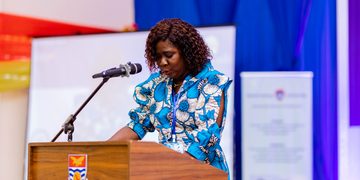
In her closing remarks, the Chairperson of the workshop, Professor Christine Adu-Yeboah, drew attention to the growing threats posed by pollution from plastics and mining to Ghana’s marine and coastal ecosystems.
She expressed concern about the implications of these environmental pressures for the health, food security and livelihoods of future generations.
Professor Adu-Yeboah therefore called for increased investment in research and innovation, as well as stronger engagement between scientists and policymakers, to ensure that evidence generated through research leads to practical solutions.
The workshop ended with a call for stakeholders to move beyond discussions and ensure that scientific knowledge, policy and community action are brought together to protect Ghana’s oceans, strengthen fisheries and create sustainable opportunities for coastal communities.
READ ALSO: Ghana’s Blue Economy Can Drive Jobs, Food Security – Prof. Mattah