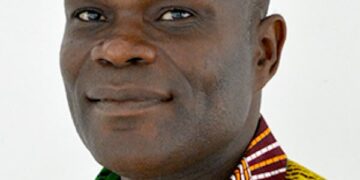









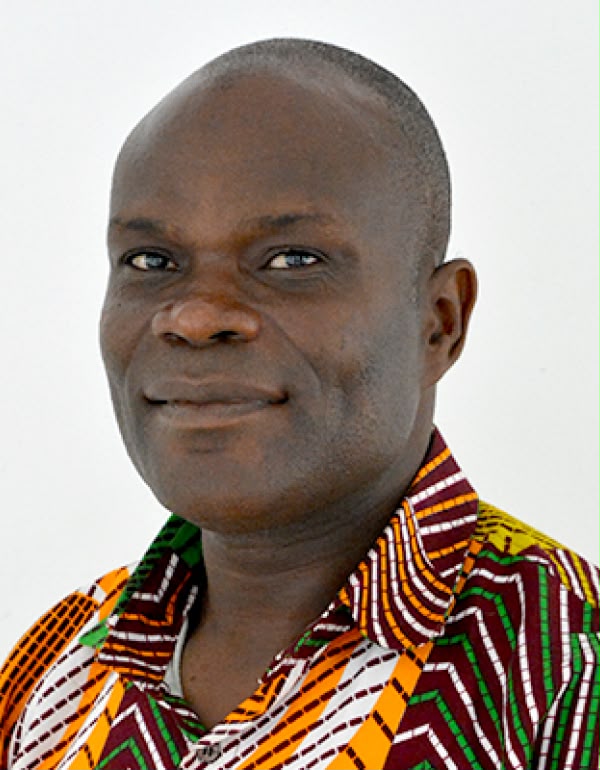
Retired Professor of the Africa Ocean Institute, Professor Precious Agbeko Mattah, says Ghana’s blue economy has the potential to contribute significantly to food security, job creation, climate resilience, and trade.
He said the blue economy seeks to promote the sustainable use of oceanic and coastal resources while ensuring economic advancement, ecological sustainability and social equity.
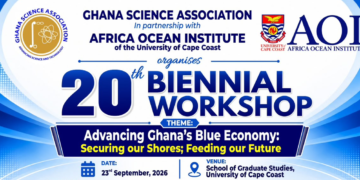
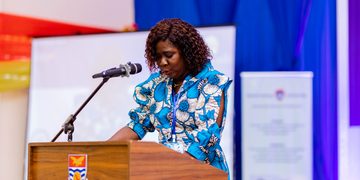
Speaking at the 20th Biennial Workshop organized by the Ghana Science Association (GSA) in partnership with the Africa Ocean Institute, Professor Mattah said the sector presents significant opportunities for Ghana and the wider African continent.
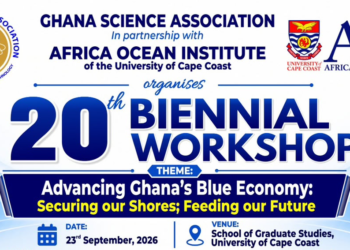
The workshop is being held under the theme, “Advancing Ghana’s Blue Economy: Securing Our Shores, Feeding Our Future.”
Professor Mattah said, “The blue economy therefore has the potential for ensuring food security, job provision, security, climate resilience, as well as international and domestic trade.”
He identified three key pillars of the blue economy as improving livelihoods, balancing economic growth with sustainability, and maintaining healthy ocean ecosystems.
According to him, the global ocean economy is currently estimated at approximately US$2.2 trillion, with some projections indicating that it could reach US$3 trillion by 2030.
He noted that the ocean economy had recorded significant growth over the years.
“The ocean economy grew 2.5 times since 1995 compared to the broader global economy which grew 1.9 times within the same period,” he said.
Professor Mattah also highlighted Africa’s potential to benefit from its marine resources, citing the continent’s extensive coastline, inland waters, fisheries, ports and marine ecosystems.
He said these resources could contribute to economic growth and social development across the continent.
Turning to Ghana, Professor Mattah said the country’s blue economy already makes a notable contribution to the national economy.
“Ghana’s blue economy contributes about six percent of its GDP and also significantly contributes to employment and international trade,” he stated.
He added that Ghana’s strategic position along the Gulf of Guinea creates opportunities for further development of the sector, particularly in fishing, shipping and logistics.
“By virtue of its strategic location along the Gulf of Guinea, the country stands to benefit hugely from its blue economic activities, including fishing, shipping and logistics,” Professor Mattah said.
READ MORE NEWS HERE
Source: Angelina Riley Hayford/ATLFMNEWS