














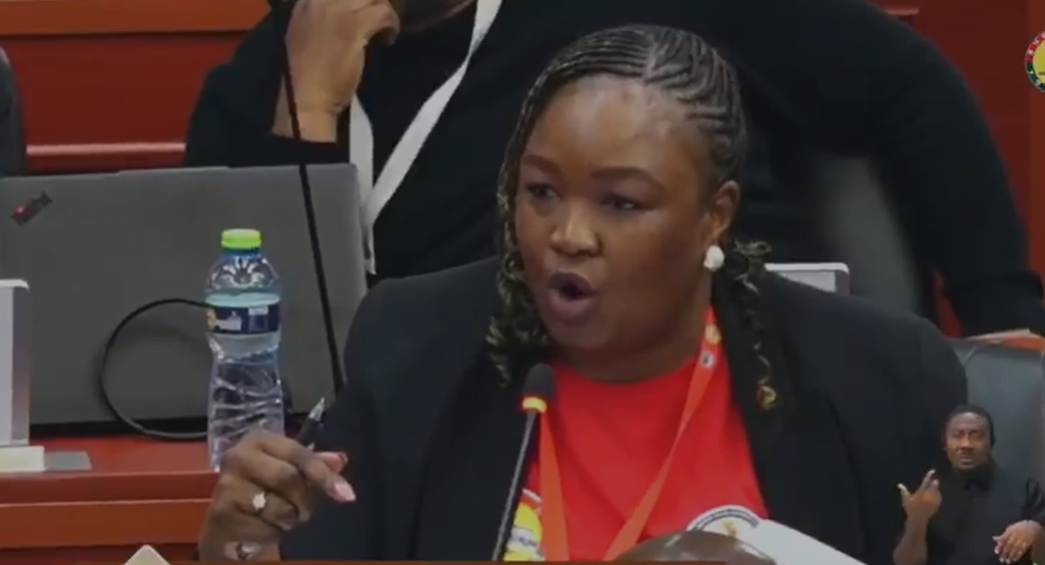
South Africa has declined to adopt the proposed African Charter on Family, Sovereignty and Values, becoming the first country to publicly distance itself from the document during the 4th Inter-Parliamentary Conference currently underway in Accra.
The South African delegation announced its decision during deliberations on Friday, citing constitutional concerns over provisions in the Charter, particularly its definition of marriage as exclusively between a man and a woman.
Speaking on behalf of the delegation, Zandile Majozi said South Africa could not support the Charter because some of its provisions conflict with the country’s Constitution and the international legal principles it subscribes to.
She explained that while South Africa respects the objectives behind the initiative, it must remain consistent with its constitutional framework and legal obligations.
“As South Africa, we would like to reserve our rights in not adopting the Charter because it contradicts the Constitution of South Africa, especially Chapter 2, and does not align with the regional and international laws that we believe in,” she stated.
Charter Sparks Debate
The African Charter on Family, Sovereignty and Values is aimed at promoting what supporters describe as traditional family values and cultural principles across the continent.
However, South Africa’s decision has highlighted the growing debate among African nations over how family, marriage and individual rights should be defined within regional frameworks.
Read Also: Adult Website Users May Need National ID Under New Proposal
Observers say the disagreement reflects broader discussions taking place across Africa regarding the relationship between cultural values, constitutional protections and international human rights commitments.
Ghana’s Family Values Bill Returns to Focus
The development comes at a time when Ghana’s Human Sexual Rights and Family Values Bill remains under scrutiny.
Earlier this week, Speaker of Parliament Alban Bagbin directed lawmakers to revisit the legislation despite its passage by Parliament, citing the need for broader consultation and consensus-building.
Mr. Bagbin disclosed that he had expected Parliament to begin only the consideration stage of the bill before proceedings ended on May 29 and was surprised by its full passage.
Following discussions with Majority and Minority leadership, he called for further engagement on the legislation because of its significance and the level of public interest it has generated.
Wider Implications
South Africa’s decision is expected to fuel further discussions at the conference, with delegates continuing to examine how African countries can promote family values while respecting differing constitutional and legal frameworks.
As deliberations continue in Accra, attention is likely to focus on whether a broader consensus can be achieved among participating countries on the final form of the Charter.