











The National Health Insurance Authority (NHIA) has launched a nationwide campaign dubbed the “STORM Initiative” to provide free registration and renewal of National Health Insurance Scheme (NHIS) memberships as part of efforts to expand healthcare access and accelerate Ghana’s journey towards Universal Health Coverage (UHC).
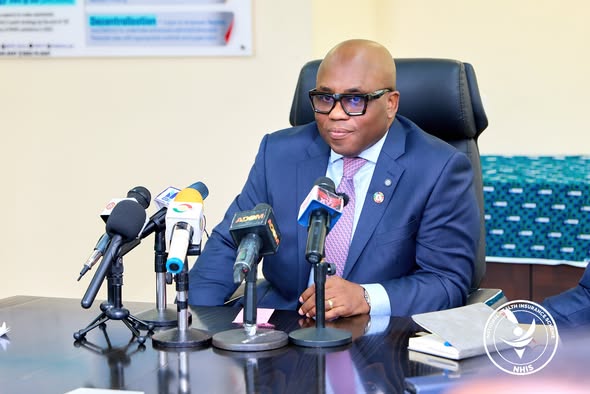
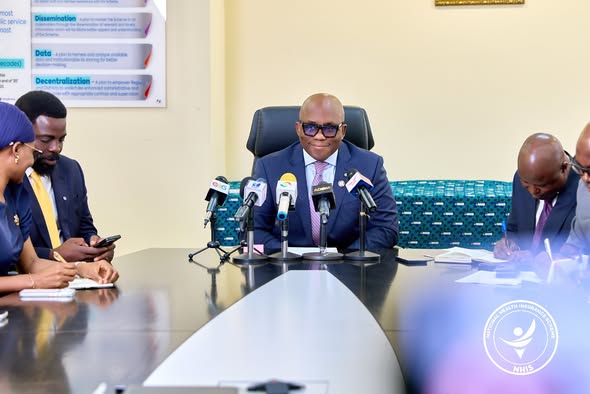
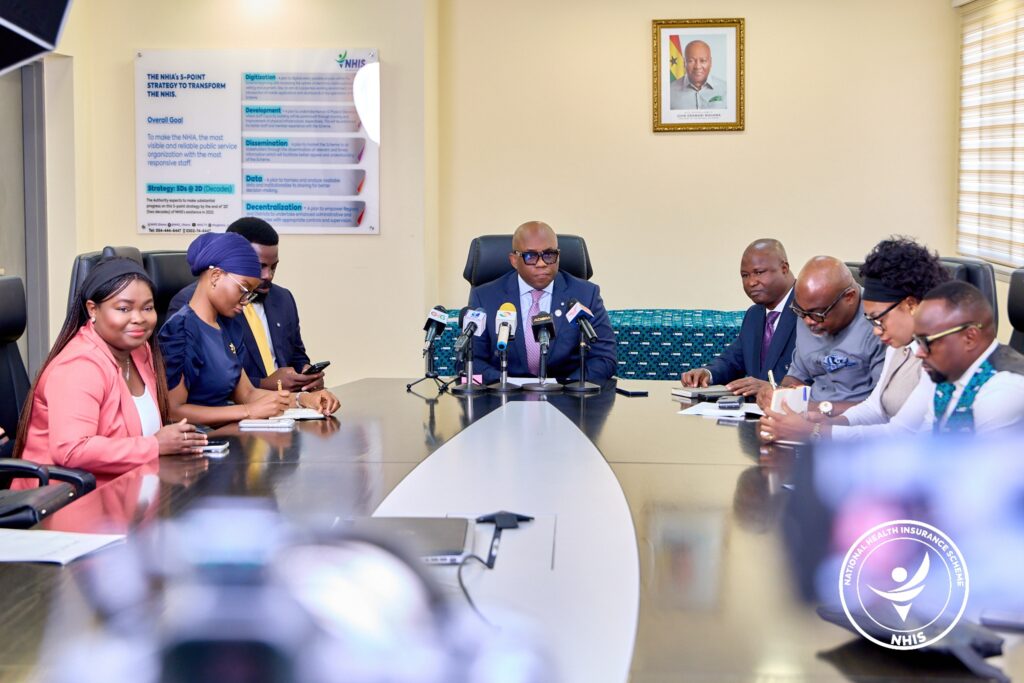
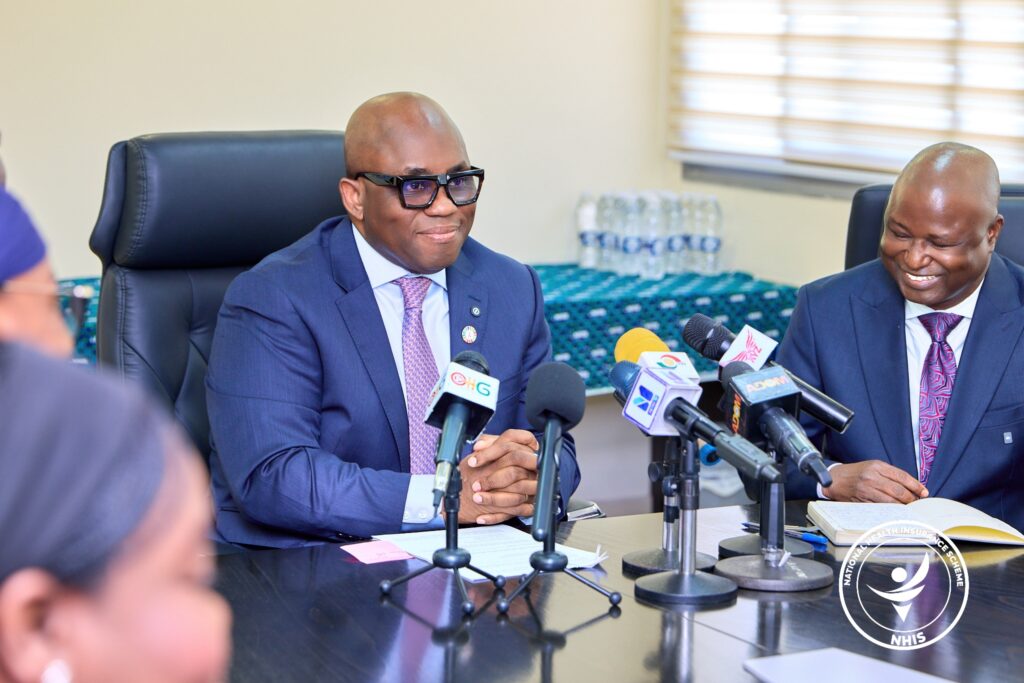
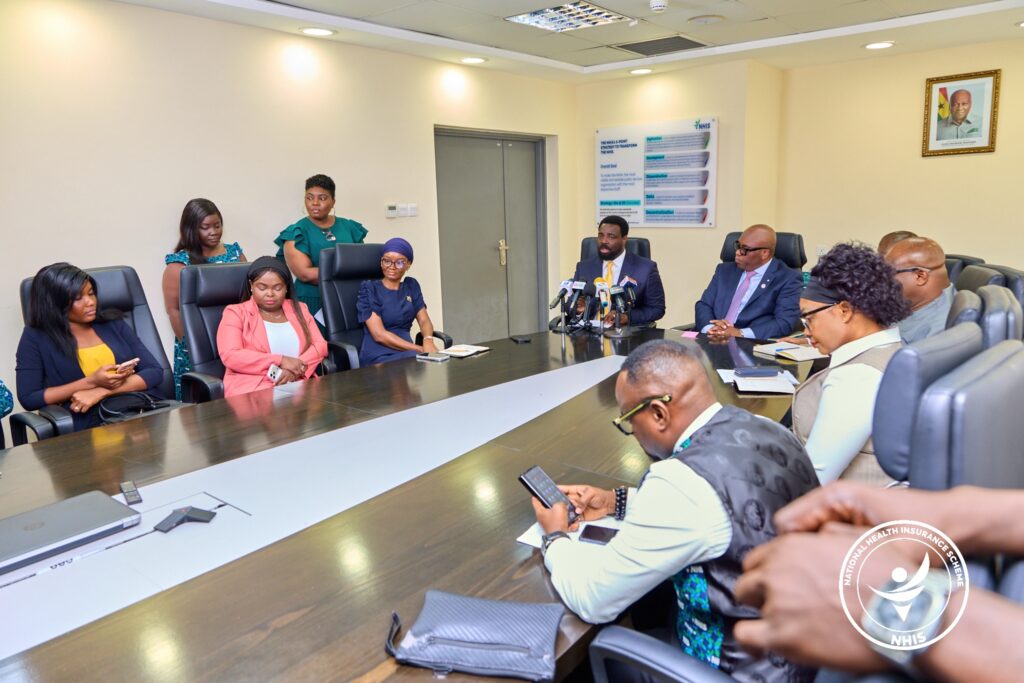
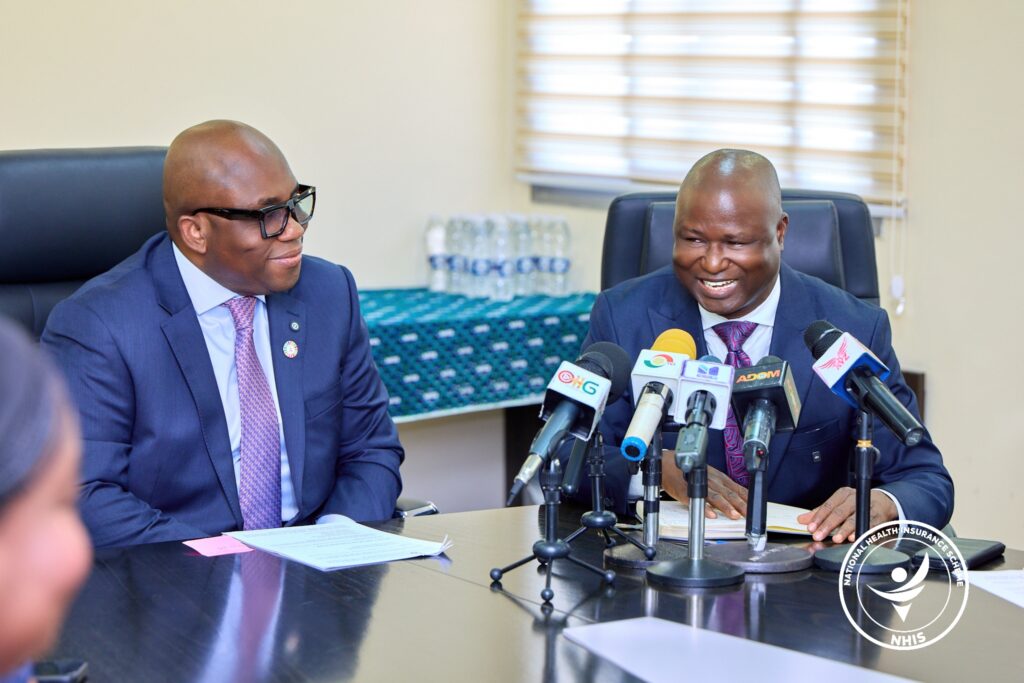
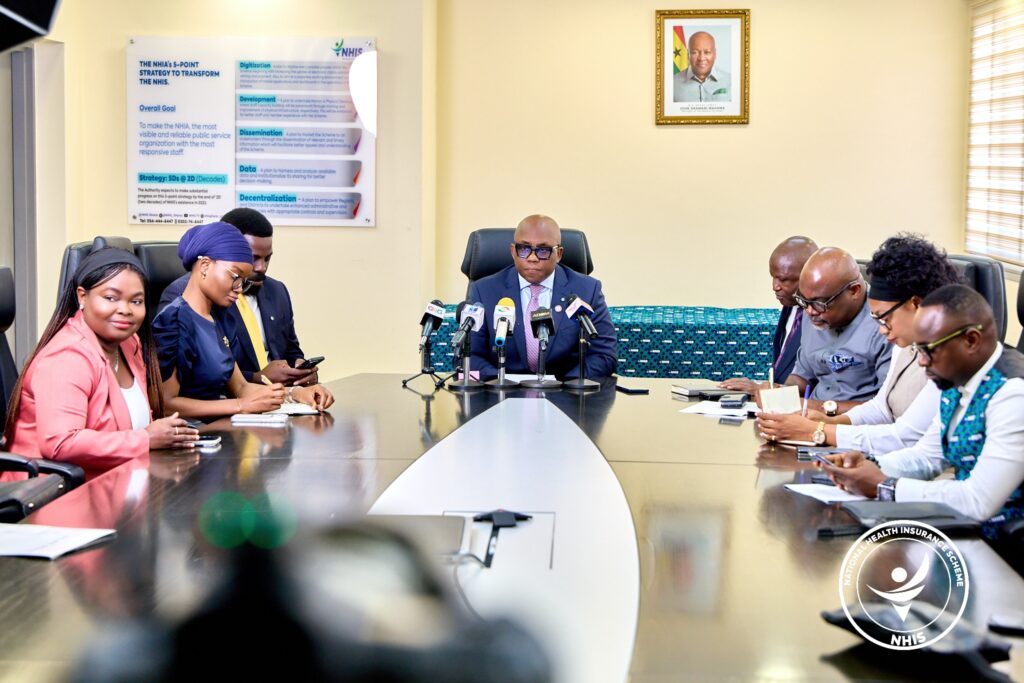
The initiative, announced by the Chief Executive Officer of the NHIA, Dr Victor Asare Bampoe, at a press briefing in Accra on Monday, May 4, 2026, allows Ghanaians and legal residents to register or renew their NHIS memberships free of charge from April 15 to May 31, 2026, with immediate access to healthcare services.
Under the initiative, the NHIA has waived all registration fees, renewal premiums and the mandatory one-month waiting period for both first-time registrants and persons with expired memberships.
Dr Bampoe described the programme as a landmark intervention in Ghana’s healthcare history, explaining that it was the first time the NHIA had simultaneously removed registration and renewal costs together with the waiting period requirement.
“For the first time in the history of Ghana’s National Health Insurance Scheme, we are waiving both registration and renewal fees as well as the one-month waiting period at the same time,” he stated.
He further added “This means that any Ghanaian who registers or renews their NHIS membership during this period will enjoy immediate access to healthcare services without paying any fees”.
Universal Health Coverage
Dr Bampoe said the STORM Initiative was directly aligned with the NHIA’s mandate of promoting Universal Health Coverage and ensuring that all persons living in Ghana had access to healthcare services without financial hardship.
He explained that Universal Health Coverage, as defined by the World Health Organisation (WHO), sought to ensure that people received the health services they needed when and where they needed them without being pushed into poverty because of healthcare costs.
According to him, the concept rested on three main pillars, quality healthcare services, equitable access to healthcare and financial protection for citizens.
Read Also: Responsible Media crucial to national development – Dr. Kwabena Antwi-Konadu
“The NHIS is Ghana’s primary vehicle for achieving Universal Health Coverage. It is the bridge between a Ghanaian in need and the healthcare they deserve,” he said.
He added that every policy and intervention undertaken by the NHIA was aimed at ensuring that healthcare became accessible and affordable to all citizens regardless of their social or economic status.
Community-centred approach
Explaining the rationale behind the STORM Initiative, Dr Bampoe said the NHIA had adopted an aggressive community-based strategy to ensure that no eligible person was left behind.
He said NHIA officers across all regional and district offices had been mobilised to move into communities instead of waiting for people to visit NHIS offices.
Under the initiative, registration and renewal exercises are being carried out at markets, lorry stations, churches, mosques, schools, universities, workplaces and remote communities across the country.
“We are storming communities, markets, churches, mosques and workplaces to ensure that every Ghanaian is aware of this opportunity and can easily register or renew their membership,” he explained.
The NHIA, he said, was also collaborating with traditional authorities, community leaders, district assemblies and civil society organisations to maximise participation and awareness.
Link to free primary healthcare
Dr Bampoe further linked the STORM Initiative to the government’s Free Primary Healthcare Programme (FPHC), which was officially launched by President John Dramani Mahama on April 15, 2026.
The programme is currently being rolled out in 150 underserved districts, with nationwide implementation expected by 2028.
He explained that under the Free Primary Healthcare Programme, citizens could access a wide range of healthcare services free of charge at Community-based Health Planning and Services (CHPS) compounds, health centres, polyclinics and container-based clinics established in markets and transport terminals.
The services include routine health screening, blood pressure and diabetes checks, maternal and child healthcare, immunisation, treatment of common illnesses, family planning education and community outreach programmes.
Dr Bampoe said the NHIS card or Ghana Card was required mainly for identification, documentation and monitoring purposes under the programme.
However, he stressed that active NHIS membership remained critical because patients referred beyond primary healthcare facilities to district, regional or teaching hospitals would require NHIS coverage to avoid paying huge medical bills out-of-pocket.
“The Free Primary Healthcare Programme is the front door of the healthcare system, but when patients require specialist or advanced care, the NHIS becomes indispensable,” he said.
Gateway to MahamaCares
Dr Bampoe also highlighted the role of the NHIS in facilitating access to the Ghana Medical Trust Fund, popularly known as MahamaCares.
He explained that the fund was designed to support the treatment of non-communicable diseases such as cancer, kidney failure, stroke, diabetes and cardiovascular conditions that were not fully covered under the NHIS.
According to him, active NHIS membership was necessary for patients to benefit from the fund because the NHIS served as the referral and financing pathway into specialist care.
“Without an active NHIS card, patients cannot effectively access the continuum of care that extends from community-level healthcare to specialist treatment under the Ghana Medical Trust Fund,” he said.
Dr Bampoe disclosed that Parliament had approved GH¢2.90 billion for the implementation of the Ghana Medical Trust Fund in 2026.
Appeal to public
The NHIA CEO urged all Ghanaians and legal residents to take advantage of the limited-time opportunity before the initiative ends on May 31, 2026.
He cautioned that standard registration and renewal fees, as well as the one-month waiting period, would be reinstated after the campaign period.
“We want every Ghanaian to have an active NHIS card at all times because an expired card does not protect you, does not facilitate referrals and does not activate support under MahamaCares,” he said.
He encouraged members to renew their memberships regularly after the campaign through the *929# shortcode, the MyNHIS mobile application or visits to NHIS district offices nationwide.
Dr Bampoe also appealed to the media to support the campaign by spreading awareness across the country.
“Every family in Ghana must know that the NHIS card is their gateway to free primary healthcare, specialist referrals and financial protection against serious illness,” he stressed.
He said the NHIA remained committed to ensuring that quality healthcare became accessible, affordable and sustainable for all citizens as Ghana worked towards achieving Universal Health Coverage.
KEY FACTS
STORM Period: April 15 – May 31, 2026
What is waived: All registration fees, all renewal premiums, and the one-month waiting period.
Historic first: First time fees AND waiting period have been waived simultaneously.
How to register/renew: Dial *929# | MyNHIS App | Any NHIS District Office
FPHC districts: 150 underserved districts (Phase 1); nationwide by 2028
FPHC services: Screenings, maternal & child health, immunisations, common illness treatment, health education
FPHC ID requirement: Ghana Card OR NHIS Card (for identification, documentation & monitoring only)
NHIS role beyond FPHC: Facilitates referrals to district, secondary and tertiary/teaching hospitals.
MahamaCares (GMTF): Covers NCDs beyond NHIS – cancers, kidney failure, cardiovascular disease, stroke, diabetes – accessed through NHIS.
GMTF 2026 allocation: GH₵2.90 billion approved by Parliament.
After May 31, 2026: Standard fees resume; waiting period reinstated. Members urged to renew regularly.




Source: Anthony Sasu Ayisadu/ATLFMNEWS