









The University of Cape Coast (UCC) continues to cement its place as a hub of global academic excellence, as one of its own has been named among the elite scientific minds in the country.
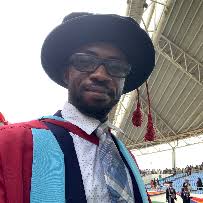
Professor Michael Osei Adu, Head of the Department of Crop Science at UCC, has been officially ranked in the 2026 AD Scientific Index as one of Ghana’s Top 1,000 Scientists.
Ranking number 337 nationally and an impressive 4th in the fields of Crop Sciences and Forestry, Professor Osei Adu’s work goes far beyond the classroom.
His research in Crop Ecophysiology is currently at the forefront of tackling Ghana’s most pressing agricultural hurdles, from climate change resilience to national food security.
Speaking in an interview on the Atlantic Wave, Professor Osei Adu noted that while the individual ranking is an honour, the true victory lies in the collaborative effort of his team at UCC and the impact their research has on the Ghanaian farmer.
“My immediate thought was, wow, 337 out of 1000 nationally?” He said, “It’s not really about me, it’s about the students, the colleagues, the collaborators that have been part of the work that we’ve been doing…research is really a solo endeavour. We work collaboratively.”
Despite these heights, he says the journey is often stalled by a lack of sustainable funding, noting that even brilliant, nationally relevant ideas die without multi-year financial support.
“…if you cannot sustain funding across multiple years, the idea will just die, you lose momentum”, he added.
Prof. Adu highlighted the difficulty of securing competitive international grants, revealing a success rate of only 8 to 10%. He said there is a need for funds to support student researchers.
I prefer the students in my lab who are on studentship, and their research is well catered for. You need funding to do that. Competitive grants from international funders are highly contested.”
Beyond the numbers, Professor Osei Adu is looking toward the future. He said he is currently working on launching an entrepreneurship lab on the UCC campus to give students hands-on skills.
He advised the next generation of scientists to develop resilience and to work together.
Sharing his experience, he said, “…in grants, my satisfaction rate is 10%. In publications, I have more rejections than accepted papers…Every scientist has managed rejection. What matters is how quickly you revise and resubmit.”
“Then look for collaborations. Don’t work in isolation. We stand on the shoulders of giants.”
Professor Michael Osei Adu noted that his mission remains clear: solving local food problems with global standards.
READ MORE NEWS ON www.atlfmnews.com