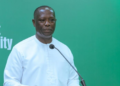


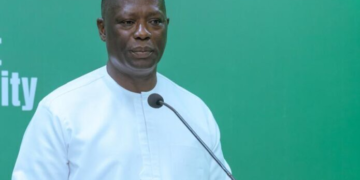



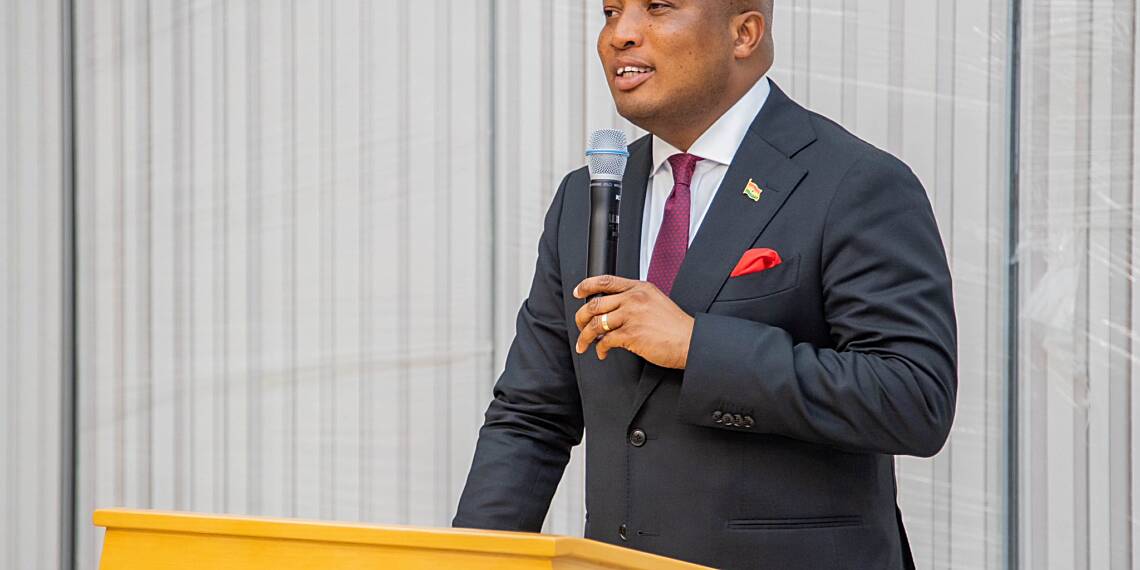
Foreign Affairs Minister Samuel Okudzeto Ablakwa has called for urgent and coordinated global action to advance reparatory justice, arguing that international efforts must move beyond symbolic commitments and focus on practical implementation.
Speaking at a high-level consultative conference on the “Next Steps” of the United Nations Resolution on Enslaved Africans in Accra, Mr. Ablakwa said the global reparations movement has reached a critical stage where concrete outcomes must take priority.
According to him, the UN Resolution has already begun producing measurable results and should now serve as a platform for deeper collaboration and decisive action.
Call for Implementation
Addressing delegates, the Foreign Minister stressed that the conversation on reparatory justice should no longer be confined to historical acknowledgement alone.
He urged governments, international institutions and stakeholders to focus on implementing policies and initiatives capable of addressing the long-term effects of historical injustices linked to slavery and the transatlantic slave trade.
According to Mr. Ablakwa, the next phase of the movement requires stronger partnerships and coordinated action across regions.
Conference Seen as Turning Point
The Minister noted that the significance of the conference extends beyond dialogue and diplomatic engagement.
He said decisions emerging from the gathering have the potential to influence the future direction of the global reparations agenda and shape efforts aimed at securing justice for affected communities.
Mr. Ablakwa emphasized that expectations are growing for world leaders to provide clear direction and practical solutions.
Ghana’s Role in the Global Conversation
The Foreign Affairs Minister highlighted Ghana’s unique position within the reparatory justice movement.
He noted that the country’s historical connection to the transatlantic slave trade, reflected in the numerous forts and castles along its coastline, places Ghana at the centre of global discussions on remembrance, healing and justice.
According to him, Ghana is increasingly positioning itself as a leading advocate for reconciliation and reparatory justice.
Need for Collective Leadership
Mr. Ablakwa called on participants to adopt a more ambitious and united approach in advancing the reparations agenda.
Read Also: Africa Deserves to Be Heard on Its Own Terms—Nandi-Ndaitwah
He stressed that stronger cooperation among nations, institutions and advocacy groups would be essential in transforming commitments into meaningful outcomes.
According to him, global leadership is required to ensure that the momentum generated by the UN Resolution translates into lasting impact.
Looking Ahead
The conference is expected to contribute to ongoing international discussions on reparatory justice and generate recommendations aimed at strengthening implementation efforts.
Stakeholders believe the outcomes could help shape future policy discussions and reinforce calls for greater accountability and support for communities affected by the legacy of slavery.
Mr. Ablakwa expressed confidence that the expertise and leadership gathered at the conference would help chart a clear path forward for the global reparations movement.