












President John Dramani Mahama has constituted a 12-member Presidential Advisory Group on the Economy, signaling a renewed push for expert-led economic governance as Ghana confronts recovery challenges and pursues long-term structural transformation.
The high-powered advisory body brings together seasoned economists, former central bank governors, private sector leaders, and academics to provide non-partisan, evidence-based advice directly to the President on key national economic issues.
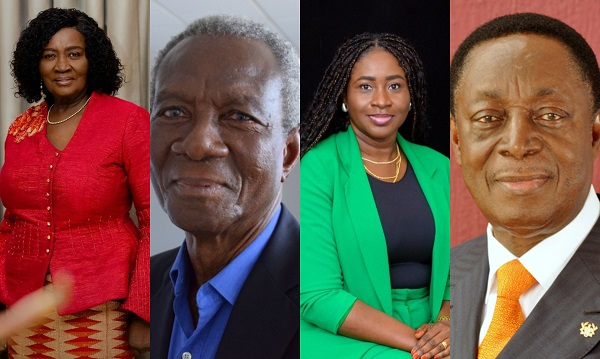
Vice President Jane Naana Opoku-Agyemang is a member of the group, underscoring the strategic importance attached to its work. Other prominent members include respected economist and private sector stalwart Kwame Pianim, and renowned industrialist Samuel Esson Jonah.
The advisory group also features former Finance Minister and ex–Bank of Ghana Governor Kwabena Duffuor, former Bank of Ghana Governor Henry A. Kofi Wampah, business leader Togbe Afede XIV, and Chief Executive Officer of the Ghana Stock Exchange Abena Amoah.
Other members are former World Bank infrastructure specialist and agribusiness investor Ato Brown, private sector leader Ishmael Yamson, former Deputy Minister of Finance and Trade Nana Oye Mansa Yeboaa, and academics Priscilla Twumasi Baffour and Patience Aseweh Abor.
Read Also: Ghana, Japan Explore New Trade and Investment Opportunities
Mandate and focus
The Presidential Advisory Group on the Economy is expected to guide the President on macroeconomic management, fiscal consolidation, debt sustainability, and coordination between fiscal and monetary policy. The group will also advise on industrial development, export competitiveness, private sector expansion, investment mobilisation, and sustainable job creation.
In addition, the advisory body will conduct periodic assessments of Ghana’s economic performance, recommend policy adjustments where necessary, and provide expert input into Ghana’s engagements with bilateral and multilateral development partners, international financial institutions, and global investors.
Officials say the group will play a critical role in shaping major productivity-enhancing reforms, supporting long-term economic resilience, and ensuring policy coherence across government.
Strengthening economic governance
The formation of the advisory group reflects the President’s intention to anchor economic decision-making in deep technical expertise, strengthen coordination across economic institutions, and restore confidence among investors and development partners.
The group will report directly to the President and submit advisory briefs, memoranda, and strategic reviews as required, reinforcing the administration’s broader commitment to sound economic governance and inclusive growth.