












A major suspected transit fraud scheme with an estimated tax exposure of more than GH¢85 million has been uncovered following a joint late-night operation by the Customs Division of the Ghana Revenue Authority (GRA) and National Security.
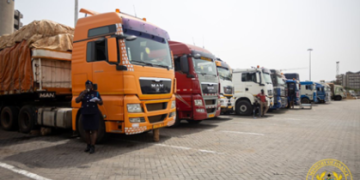
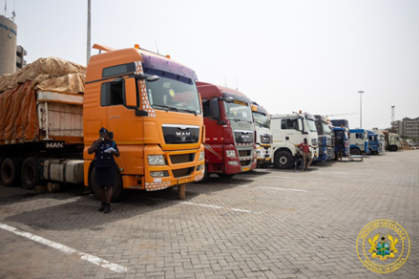
Twelve articulated trucks loaded with 44,055 packages of edible cooking oil, tomato paste and spaghetti were intercepted along the Dawenya–Tema road between 10 p.m. and 5 a.m. Authorities believe the vehicles were part of a larger group of 18 trucks that had allegedly been fraudulently gated out of the customs system.
The cargo had been declared as transit goods from Akano and destined for Niger via Kulungugu. However, officials say the trucks were moving without the mandatory customs escort required under Ghana’s transit protocols — a breach that raised immediate red flags.
Tax Exposure Surges After Reassessment
Initial assessments suggested a potential revenue loss of GH¢2.6 million. However, a subsequent review revealed that the true tax liability exceeds GH¢85 million, indicating what authorities describe as a massive attempted revenue breach.
Under Ghana’s transit regulations, two customs officials must escort consignments declared for transit to ensure that the goods exit the country without diversion into the domestic market. Investigators suspect that this safeguard was circumvented.
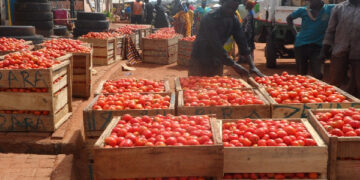
Read Also: Tomato imports in jeopardy as traders cite security risks
Six of the 18 trucks linked to the consignment remain unaccounted for.
One-Week Investigation Ordered
Deputy Finance Minister Thomas Ampem Nyarko described the development as deeply troubling, citing the scale of the suspected revenue leakage.
He has directed Customs to conduct a full-scale investigation and submit findings within one week.
The Commissioner-General of the Ghana Revenue Authority, Anthony Kwasi Sarpong, has assured that investigations will be concluded within the stipulated timeframe.
Revenue Protection Drive Intensifies
The interception comes amid intensified efforts by government to clamp down on revenue leakages at ports and transit corridors. Authorities have repeatedly warned against abuse of the transit regime, under-declaration of goods, and attempts to evade import duties.
Analysts note that transit fraud schemes can significantly undermine domestic revenue mobilisation, distort trade competition, and weaken customs enforcement credibility.
Officials are now working to trace the remaining six trucks and determine whether the goods were intended for diversion into Ghana’s domestic market.
The outcome of the investigation could result in criminal prosecutions, recovery proceedings, or administrative sanctions if wrongdoing is confirmed.