

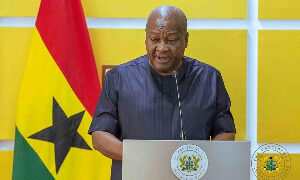














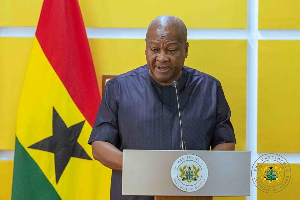
Government is moving to overhaul Ghana’s public sector pay structure, with President John Dramani Mahama announcing plans to establish a new body to address long-standing salary disparities and labour tensions.
The proposed Independent Emoluments Commission will replace the Fair Wages and Salaries Commission, marking what the President describes as a decisive shift from the current pay system to a more structured and sustainable model.
Speaking during an engagement with organised labour, President Mahama said persistent pay inequalities and recurring industrial disputes have placed significant strain on public finances and weakened trust between government and workers.
He stressed that incremental adjustments are no longer sufficient, insisting that the time has come for comprehensive reforms that tackle the root causes of the problem.
New System to Link Pay to Productivity
Under the new framework, public sector salaries and benefits will be determined through a transparent, rules-based system anchored on measurable indicators.
These include:
- Productivity and performance
- Labour market conditions
- Fiscal sustainability
- National development priorities
The President noted that this approach will eliminate arbitrary wage decisions and introduce a predictable structure that ensures fairness across institutions.
Ending Ad-Hoc Wage Decisions
President Mahama criticised the current system for relying heavily on negotiations and ad-hoc adjustments, which often trigger disputes and unplanned spending pressures.
He explained that the new commission will operate independently, using data-driven analysis to guide salary reviews, thereby reducing political and administrative interference.
Read Also: Freddie Blay Gets Bail After Lawyers Challenge His Remand
The reform is expected to bring greater consistency and discipline to public sector compensation while improving long-term planning.
Relief for Labour Tensions
The announcement comes at a time when government continues to engage labour unions over conditions of service and wage-related concerns.
Analysts say the move could help address:
- Wage disparities across sectors
- Frequent strike actions
- Concerns over fairness in public sector compensation
By introducing a clear framework, the government hopes to reduce tensions and improve working relations with organised labour.
Stakeholder Engagement Expected
While the policy direction has been outlined, implementation is expected to involve extensive consultations with labour unions, economists and public sector institutions.
Early discussions reported across major Ghanaian media platforms indicate that stakeholders are likely to push for clarity on:
- Transition arrangements from the current system
- The scope and powers of the new commission
- How existing salary structures will be harmonised
There are also expectations that legislative processes will be required to formally establish the Independent Emoluments Commission.
For now, government maintains that the reform is aimed at building a system that is fair to workers, responsible to taxpayers and sustainable for the future.