




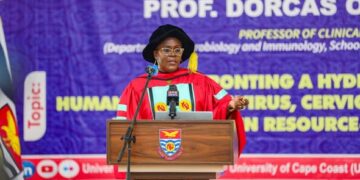








With only four years remaining to achieve the United Nations Sustainable Development Goal 4, the Institute for Educational Planning and Administration (IEPA) is urging Ghana’s education sector to “run” toward digital transformation.
As a UNESCO Category II Centre of Excellence based at the University of Cape Coast (UCC), Leadership at the Institute says the focus must now shift to ethical AI integration and data-driven results to ensure no student is left behind.
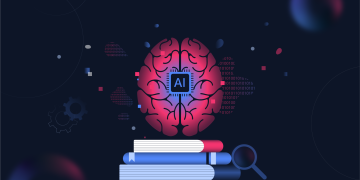
The rise of Artificial Intelligence is no longer a future threat but a present reality in Ghanaian classrooms.
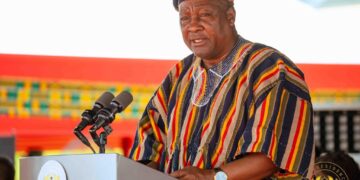
Speaking on the evolution of learning, the Director-General of the IEPA, Professor Michael Boakye-Yiadom, stated that while technology is essential, it must be governed by a strong ethical framework to protect the integrity of the educational system.
He stressed that AI must be “driven by the human mind” to ensure that empathy and integrity remain at the core of every educational application.
“We are training and developing an empathetic educational system in Ghana. When AI policies finally reach our desks, our teachers and leaders will already have the ethical foundation to work around the challenges embedded in them,” he noted.
Beyond policy, IEPA’s focus is also on the teachers themselves.
Professor Bro. Michael Amakyi, a former Director at the IEPA, warns that educators who resist this technological shift risk being left behind in a knowledge society.
To combat this, the IEPA has adopted a “Toolbox” Model
Prof. Bro. Michael Amakyi indicated that rather than forcing teachers to follow a single trend or “adopt a tool” blindly, the IEPA’s toolbox will empower educators to analyze a specific challenge and pick the most appropriate solution from their set of skills and resources.
So the toolbox approach is what will help everybody to face the future, where we have to use knowledge and generate knowledge.”
READ ALSO: IEPA Identifies Leadership as the Key to Achieving SDG 4 by 2030