








Ghana has recorded significant macroeconomic gains as it prepares to exit its International Monetary Fund (IMF) support programme by mid-2026, with sharp improvements in inflation, public debt and external buffers.
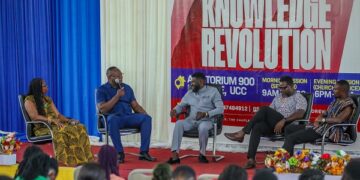
President John Dramani Mahama announced the progress while addressing the 77th Annual New Year School and Conference at the University of Ghana, describing the turnaround as a critical milestone in restoring economic stability after years of pressure.
According to the President, inflation declined dramatically from 23.8 percent at the end of 2024 to just above five percent by the close of 2025, extending a consistent disinflation trend. Public debt was also reduced from over 66 percent of GDP to about 45 percent, easing fiscal stress and improving debt sustainability.
“These outcomes show that the reforms are working,” President Mahama said, adding that Ghana must now consolidate the gains and avoid future dependence on bailout programmes.
Post-IMF Path Anchored in Discipline
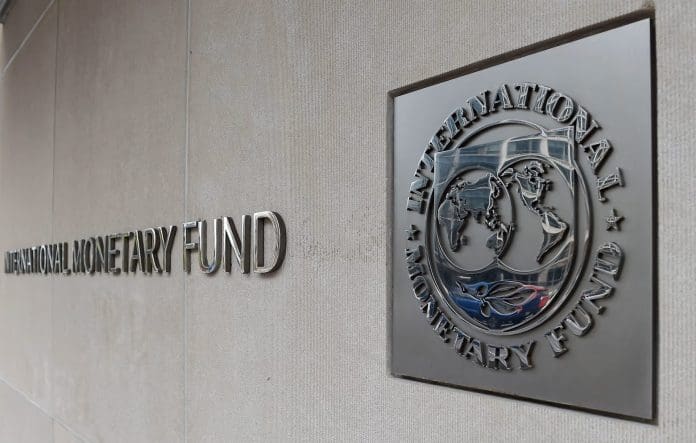
Ghana entered a $3 billion Extended Credit Facility with the International Monetary Fund in May 2023 following a deep economic crisis in 2022. The programme is scheduled to conclude in mid-2026.
President Mahama said while Ghana would continue technical engagement with the IMF through Article IV consultations and advisory instruments, the country would not return to bailout arrangements.
Read Also: DVLA accelerates digital migration ahead of new licence plate rollout
He also highlighted improvements in external buffers, noting that gross international reserves increased from $8.9 billion to $13.8 billion, while the cedi stabilised significantly in 2025.
Election-Year Commitment and Broader Agenda
The President assured Ghanaians that fiscal discipline would be maintained beyond the IMF programme, including during the 2028 election year, to safeguard the progress made.
Beyond macroeconomic indicators, he outlined a broader development agenda centred on economic resilience, human capital development, good governance, environmental stewardship and national inclusion.
On environmental protection, he cited visible gains in the fight against illegal mining, pointing to improving water quality in rivers previously affected by pollution.
The conference brought together policymakers, academics, civil society leaders and traditional authorities to assess Ghana’s development path under the theme “Building the Ghana We Want Together for Sustainable Development.”