

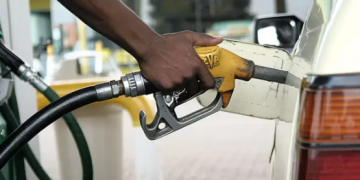














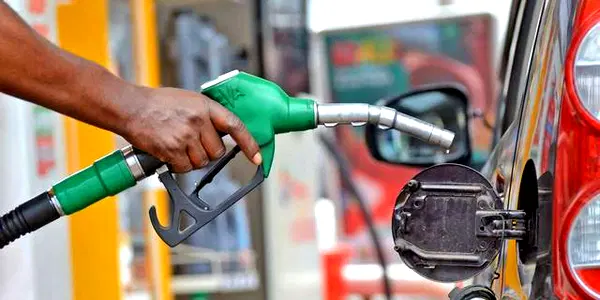
Motorists across the country could soon enjoy some relief at the pumps, as fuel prices are expected to decline in the second pricing window of December, driven largely by easing pressures in the global petroleum market.
According to the latest pricing outlook from the Chamber of Oil Marketing Companies (COMAC), pump prices for major fuel products are projected to trend downward despite mild depreciation of the cedi during the period.
COMAC’s data indicates that petrol prices could fall by about 3.89 per cent, while diesel is expected to record a steeper decline of 4.59 per cent. Prices of Liquefied Petroleum Gas (LPG) are also forecast to ease by approximately 2.16 per cent.
Global Market Shifts Drive Price Relief
The anticipated drop is being driven primarily by sharp declines in international refined petroleum product prices, which have outweighed the impact of currency movements.
Although crude oil prices edged up by 1.06 per cent, global refined fuel markets moved in the opposite direction, reflecting oversupply conditions ahead of the festive season. International data shows petrol prices declined by 6.55 per cent, diesel prices fell sharply by 11.67 per cent, while LPG prices slipped marginally by 0.22 per cent.
Industry analysts note that the disconnect between crude oil prices and refined product prices has been a key factor supporting lower pump price expectations.
Cedi Weakens, But Impact Contained
During the second pricing window of December, the cedi depreciated slightly from GHS 11.14 to GHS 11.43 against the US dollar, representing a 2.68 per cent decline. The currency pressure has been attributed to increased seasonal demand for foreign exchange ahead of the Christmas period, coupled with relatively tight inflows.
Read More: Why Parliament Asked for More Money in 2026
However, COMAC notes that the scale of global price declines has been sufficient to cushion consumers from the full impact of the weaker currency.
Competition Helps Hold Prices Down
Despite earlier industry indicators pointing to a possible average 5 per cent increase in fuel prices during the first pricing window of December—largely driven by currency pressures—oil marketing companies opted to hold prices steady.
Energy sector stakeholders attribute this restraint to heightened competition in the downstream petroleum market, which continues to act as a buffer against price volatility and limits the immediate pass-through of cost pressures to consumers.
If the projected reductions materialise, drivers could see meaningful savings at the pumps during a period when fuel demand typically rises due to increased travel and festive activities.