
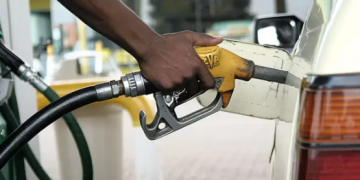

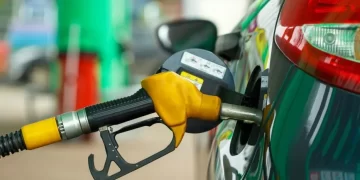












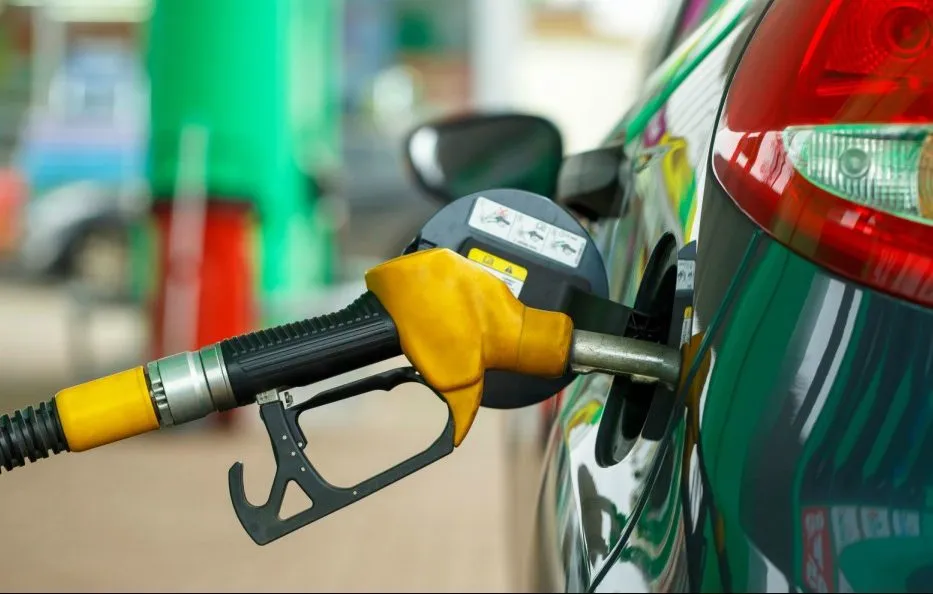
Fuel price tensions in Ghana are escalating sharply, with fresh developments indicating that consumers could face significant increases in the current pricing window, following shifts in both global oil markets and local regulatory decisions.
The latest update comes as industry players remain divided over recent price adjustments, while new data shows that price pressures are far stronger than initially reported two days ago.
New Development: Prices Projected to Surge
New projections from the Chamber of Oil Marketing Companies (COMAC) indicate that fuel prices could rise by as much as 17 percent in the second pricing window of March.
- Petrol: up to 16.9% increase
- Diesel: up to 17.2% increase
- LPG: over 11% increase
This marks a major escalation from earlier concerns and confirms that the pricing dispute is now translating into real market impact.
Regulatory Trigger: NPA Raises Price Floors
Meanwhile, the National Petroleum Authority (NPA) has raised price floors across petroleum products, a move analysts say is already influencing pump prices.
- Petrol floor increased to about GH¢11.57 per litre
- Diesel jumped to about GH¢14.35 per litre
According to industry watchers, this decision has:
- Signalled imminent increases
- Triggered early price adjustments by some operators
- Deepened tensions between market players
Industry Dispute Still Unresolved
The earlier clash between Oil Marketing Companies (OMCs) and Bulk Distribution Companies (BDCs) remains unresolved.
Some OMCs continue to argue that:
- Fuel stocks were imported before global tensions escalated
- Price hikes are therefore premature or excessive
However, BDCs insist pricing reflects:
- Replacement costs
- Future supply risks
- exchange rate pressures
COPEC Shifts Position — Calls for Market Forces
In a notable shift, the Chamber of Petroleum Consumers (COPEC) is now urging regulators to allow market forces to determine prices, rather than tightening controls.
COPEC warns that:
- Regulatory signals (like price floors) can accelerate price hikes
- Market competition may actually help moderate increases
Global Pressure Intensifies
The situation is being driven largely by global oil market shocks, with crude prices surging toward the $100 per barrel mark amid tensions involving the United States, Israel and Iran.
Read Also: Freddie Blay Land Dispute: What You Need to Know Now
Analysts say disruptions to key shipping routes and supply chains are:
- Increasing import costs
- Extending delivery timelines
- Feeding directly into Ghana’s pricing system
What This Means Now
- ✅ Price increases are now projected and quantified (up to 17%)
- ✅ NPA has already adjusted price floors
- ✅ Industry disagreement is still unresolved
- ✅ Consumers are now facing imminent pump price pressure
Bottom Line
What started as an industry dispute has now evolved into a full-scale pricing crisis, with both global and local factors aligning to push fuel prices upward.
The next few days will determine whether:
- Prices stabilise through competition
- Or surge sharply — triggering wider economic impact