










A heated debate over free speech and political neutrality in Uganda’s public service has erupted after a senior prison officer was dismissed for criticising the government on TikTok and openly supporting opposition politics.
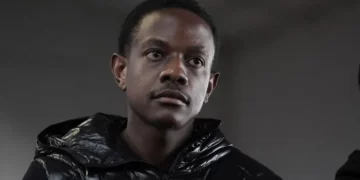
Lawrence Ampe, a prisons officer with a large social media following, was sacked by the Uganda Prisons Service after an internal investigation concluded that his online activity amounted to “gross indiscipline” and breached standing orders governing the conduct of public officers.
According to prison authorities, Ampe repeatedly used his TikTok account—followed by more than 100,000 people—to accuse senior government officials of corruption, human rights abuses and mistreatment of lower-ranking prison officers, despite formal warnings to desist.
“The standing orders do not allow a public officer to participate in politics,” prisons spokesperson Frank Baine said, explaining that Ampe had engaged in “politicking in the wrong forum”.
Dismissal Sparks Political Backlash
Following his dismissal, Ampe shared the termination letter on TikTok, describing his removal from office as liberation and insisting that his activism was about national change rather than personal gain.
In subsequent videos, he urged Ugandans not to worry about his livelihood, saying his actions were driven by a desire to expose wrongdoing and encourage citizens to love their country.
Read Also: High Court imposes GH¢50,000 fine and compensation on Agradaa
His posts also featured campaign material in support of opposition leader Bobi Wine, who is challenging President Yoweri Museveni in the upcoming January elections, as the long-serving leader seeks to extend his nearly four-decade rule.
Authorities Cite Breach of Service Rules
The Uganda Prisons Council confirmed it had resolved to dismiss Ampe and ordered him to hand over all state property in his possession. Officials said he showed no remorse when he appeared before the disciplinary body.
Last month, the Prisons Service had already cautioned officers against using social media to express political opinions or comment publicly on official matters without authorization. Despite the warning, Ampe reportedly continued uploading political content, prompting further disciplinary action.
Opposition and Rights Groups Raise Concerns
Opposition figures have condemned the dismissal, describing it as evidence of selective enforcement and systemic oppression within the security services.
Bobi Wine defended Ampe, saying the officer was using social media to expose corruption, abuse of power and the mistreatment of junior officers within the prisons system.
He also accused authorities of double standards, noting that some security officials—particularly within the military—frequently appear in the media expressing partisan support for President Museveni without facing sanctions.
Broader Free Speech Concerns
The incident has reignited long-standing concerns about freedom of expression in Uganda. Rights groups and international observers have repeatedly criticised the government for restricting online speech and targeting critics.
In a 2023 report, the United States government cited Uganda for limiting internet freedom through criminal penalties. Last year, a 24-year-old man was sentenced to six years in prison for insulting the president and first family in a TikTok video.
As social media continues to play an expanding role in political engagement, Ampe’s dismissal has become a flashpoint in Uganda’s ongoing struggle to balance state authority, public service discipline and the right to free expression.
SOURCE: BBCNEWS