















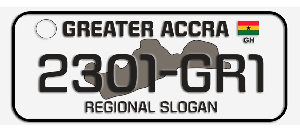
The Driver and Vehicle Licensing Authority (DVLA) has stepped up efforts to migrate manually registered vehicle records onto a digital platform as part of preparations for the introduction of a new licence plate system.
As part of the exercise, the Driver and Vehicle Licensing Authority has directed owners of vehicles registered before 2023 to visit any DVLA office nationwide to have their records captured digitally.
According to the Director of Corporate Affairs at the DVLA, Stephen Attuh, the migration is a critical requirement for the successful rollout of the new licence plate regime, which will feature enhanced security and traceability.
“Vehicles that were registered manually must be onboarded onto the digital platform. Without this, such vehicles will not be eligible for the new licence plates once the rollout begins,” he said.
Read Also: Food Prices Drive Inflation Down to 5.4% in 2025
Licence Plate Policy Awaiting Parliamentary Approval
The digital migration drive comes amid the temporary suspension of the planned RFID-embedded licence plate system, which was originally scheduled to take effect at the beginning of 2026.
DVLA Chief Executive Officer Julius Neequaye Kotey has explained that implementation has been put on hold pending parliamentary approval of amendments to the Road Traffic Regulation, 2012 (L.I. 2180), which governs the design and contents of vehicle number plates.
Until the legislative process is completed, the Authority says it cannot proceed with the full rollout of the new plates, but insists that preparatory work, including data migration, must continue.
Vehicle Registration Continues Under Existing System
Despite the pause in the new licence plate policy, the DVLA has assured motorists that vehicle registration remains fully operational under the existing system.
On January 2, 2026, the first day of registration for the year, the Authority recorded 810 new registrations, covering vehicles, motorcycles, tricycles and other equipment.
Mr Attuh urged the public not to delay registering their vehicles, stressing that the DVLA remains legally mandated to carry out registrations regardless of administrative or policy changes.
Broader Reforms and Expansion
Beyond digitisation, the DVLA is expanding its physical presence across the country to improve access to services. The Authority plans to establish at least 40 offices across all 16 regions within four years, following the opening of 10 new offices in 2025.
The DVLA is also working to expand computer-based testing for driver licensing into more Ghanaian languages and intensify efforts to eliminate middlemen from the registration and licensing process.
Officials say the reforms are aimed at modernising vehicle administration, improving road safety, and aligning Ghana’s vehicle licensing system with global best practices as the country prepares for the next phase of transport sector transformation.