













Ghana is set for significant financial relief following the official repeal of the COVID-19 Health Recovery Levy, a move expected to ease the cost of living and improve the business climate beginning January 2026.
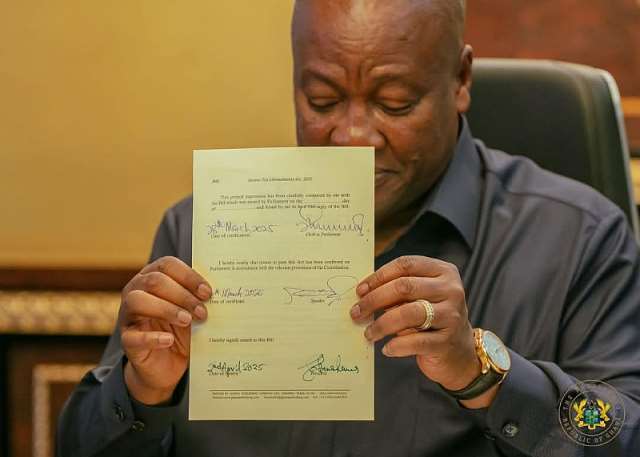
President John Dramani Mahama’s assent to the COVID-19 Health Recovery Levy Repeal Act, 2025, marks the end of the one per cent charge imposed on goods, services, and imports since the height of the pandemic. The levy, introduced under Act 1068 in 2021, was widely criticised for increasing the tax burden at a time when households and firms faced heightened economic pressure.
With the repeal now approved and awaiting gazetting, consumers and businesses are expected to regain an estimated GH¢3 billion—funds that policymakers believe will flow directly back into the economy through increased demand, operational savings and new investments.
A Shift Toward a More Efficient Tax System
The Finance Minister, Dr Cassiel Ato Forson, described the repeal as an essential part of Ghana’s broader tax reform strategy. According to him, the levy, originally introduced as an emergency financing tool during the pandemic, had outlived its usefulness and was now undermining efforts to simplify and modernise the country’s indirect tax regime.
Read Also: Ghana shut out of U.S. Aid after $2.6B energy debt
The removal, he said, will support the government’s agenda to build a more transparent and growth-oriented VAT system—one that strengthens compliance while reducing distortions in pricing and profitability.
Parliament’s Support Signals Strong Economic Prioritisation
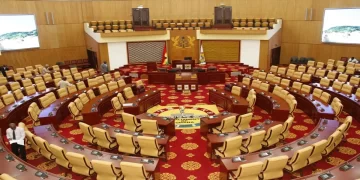
The repeal received overwhelming backing from both sides of Parliament, reflecting a shared recognition of the economic burden the levy had placed on businesses and consumers over the past four years.
Presenting the Finance Committee’s report, Chairman Isaac Adongo noted that the repeal will serve as a catalyst for business expansion, job creation and improved competitiveness. Though concerns about revenue implications were raised, he emphasised that increased economic activity and the ongoing reforms are expected to offset any short-term fiscal losses.
A Boost for Households and Private Sector Recovery
For many households, the removal of the levy offers immediate financial relief—especially on essential goods and services. For businesses, the change means lower operational costs, better pricing flexibility and renewed confidence at a time when many sectors are working to recover from economic headwinds.
Analysts say the timing aligns with the need to stimulate domestic consumption and strengthen private sector growth heading into 2026.