








The legal battle over religious rights at Wesley Girls’ Senior High School has taken a new turn, as the Ghana Catholic Bishops’ Conference raises a fresh challenge before the Supreme Court.
The Conference has filed an affidavit in the ongoing case, not only addressing the substance of the dispute but also questioning whether the Supreme Court is the proper forum to hear the matter.
Fresh Twist in High-Profile Case
The case, initiated by private legal practitioner Shafiq Osman, centres on claims that school authorities compel Muslim students to participate in Christian religious activities while limiting aspects of their own religious practices.
It has reignited national debate over how mission schools balance their religious traditions with Ghana’s constitutional guarantee of freedom of worship.
Bishops Question Court Jurisdiction
In its submission, the Catholic Bishops’ Conference argues that the matter should not be determined by the Supreme Court, insisting that the High Court is the appropriate venue.
Read Also: Mahama Moves to Fix Pay Gaps with New Emoluments Body
This position introduces a new legal dimension to the case, potentially affecting how and where the dispute will be resolved.
State Position on Mission Schools
The Attorney General’s Department has maintained that although mission schools receive public funding, their proprietors retain the right to preserve their religious identity and practices.
This argument has been central to the state’s defence, particularly in cases involving long-established traditions in faith-based institutions.
A Case Beyond One School
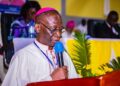
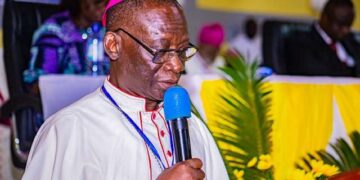
Speaking on the issue, President of the Conference, Most Reverend Matthew Kwasi Gyamfi, said the implications of the case extend far beyond Wesley Girls.
He warned that the outcome could set a precedent for all mission schools across the country, shaping how religious rights and institutional autonomy are interpreted going forward.
Broader Implications
Legal analysts say the case raises key constitutional questions, including:
- The limits of religious authority in public-funded schools
- The protection of minority religious rights
- The role of the courts in resolving such disputes
With new arguments now before the court, the case is expected to remain a focal point in Ghana’s ongoing conversation around education, religion and constitutional rights.