















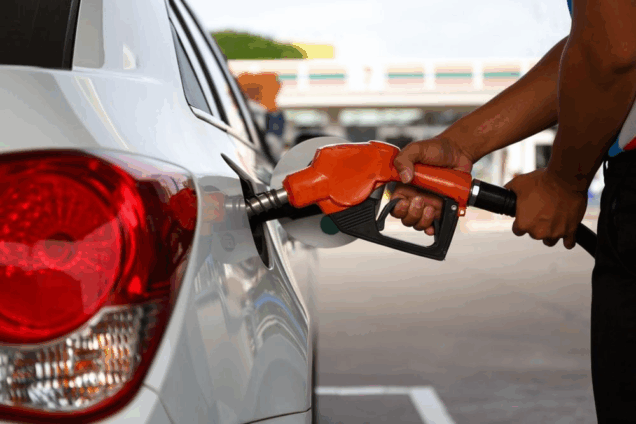
Fuel prices at the pumps are easing, offering some relief to consumers as the relative stability of the cedi continues to cushion the impact of rising global crude oil prices.
Recent price adjustments by oil marketing companies show a downward trend, with some firms reducing pump prices to attract customers in an increasingly competitive market.
Among the most notable moves, Star Oil has introduced some of the lowest prices currently available, selling petrol at about GH¢12.23 per litre and diesel at around GH¢15.57 per litre. State-owned GOIL has also adjusted its prices in response, signaling a growing effort among marketers to remain competitive.
Competition Driving Prices Down
The latest reductions come amid intensifying competition in Ghana’s downstream petroleum sector, as companies position themselves to win over cost-conscious consumers.
While some firms cut prices, others such as TotalEnergies and Shell have largely maintained stable petrol prices, with only slight increases in diesel. This has created a mixed pricing environment across the market.
Read Also: Dust on Kasoa–Winneba Road Is Causing Health Fears Now
Industry analysts say the current trend reflects both market competition and strategic pricing, as oil marketing companies respond quickly to shifts in demand and global conditions.
Cedi Stability Playing a Key Role
Despite upward pressure from the global oil market, the relative strength of the cedi has helped limit the extent of fuel price increases locally.
According to the Petroleum Hub Development Corporation, the performance of the local currency has been a major factor in stabilising pump prices.
Speaking on Channel One Business, Deputy Chief Executive for Operations and Technical, Onasis Rosely, explained that without the cedi’s stability, fuel prices in Ghana could have been significantly higher.
Global Pressures Still Loom
Global crude oil prices have risen sharply in recent weeks, climbing from around $71 to over $100 per barrel, driven by geopolitical tensions involving the United States, Israel and Iran.
These developments continue to pose risks to local fuel pricing, with analysts warning that any further weakening of the cedi could quickly reverse current gains.
What It Means for Consumers
For now, consumers are benefiting from:
- Lower or stabilised pump prices
- Increased competition among fuel stations
- Temporary relief from global price shocks
However, industry watchers caution that the situation remains fluid, and future price movements will depend on both currency stability and global oil trends.