














Nearly sixty percent of students at the University of Cape Coast (UCC) who visit the university’s health directorate report various hearing issues.
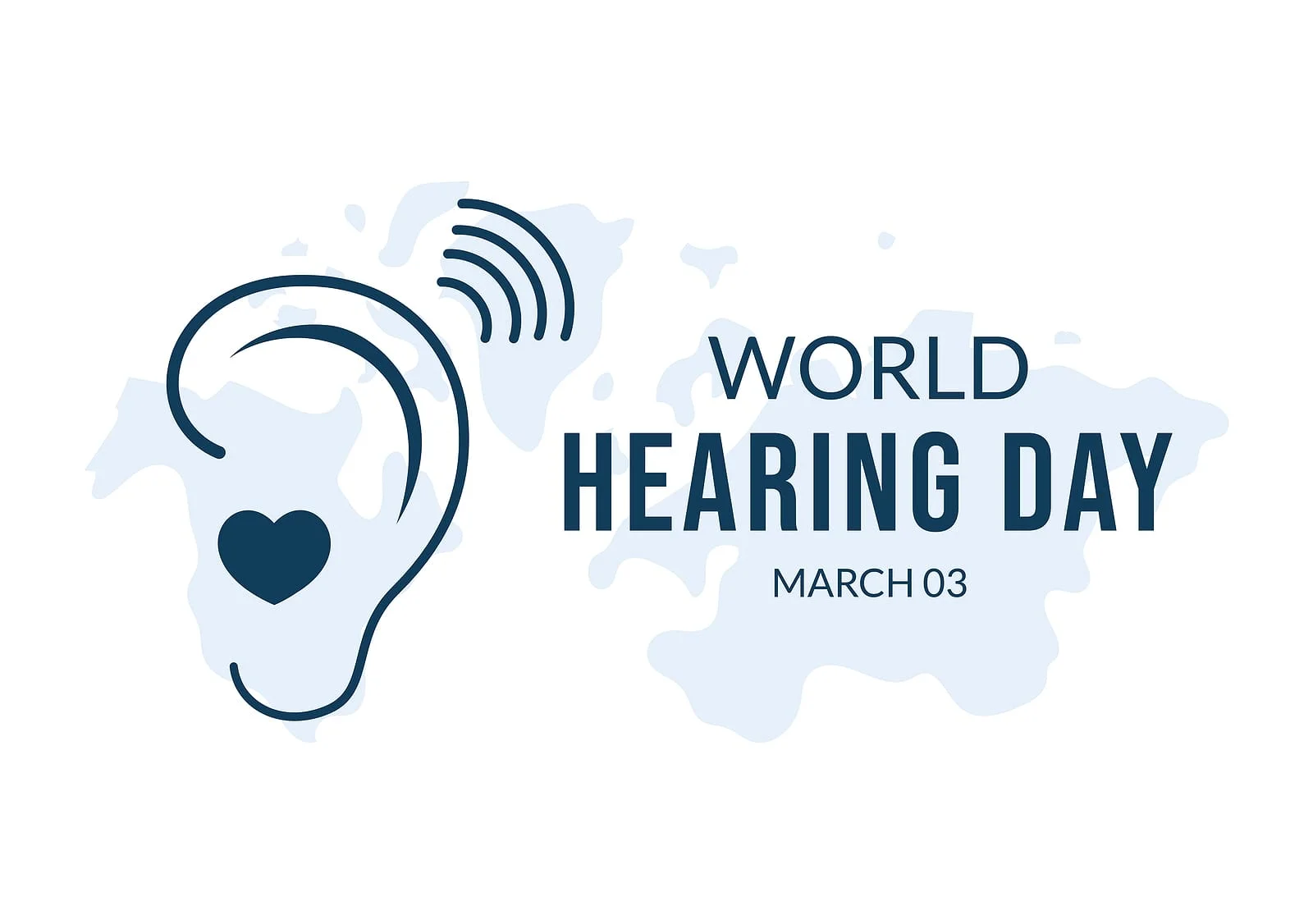
This startling revelation comes as UCC joins the global community to mark World Hearing Day under the theme: “From Communities to Classrooms: Hearing Care for All Children.”
World Hearing Day is observed every year on March 3 to raise global awareness about hearing loss and the importance of ear care. Also termed as world deafness day, this day is celebrated to highlight the growing concern of hearing problems at all ages.
Health experts from the UCC Directorate of University Health Services are warning that the university community is seeing a significant rise in hearing-related cases.
Mrs. Patricia Assabil, from the Ear, Nose, and Throat (ENT) Department, revealed that a 2025 survey showed a high prevalence of issues not just among students, but also among children entering the University’s Kindergarten.
She said they noted this through routine hearing checkups for the KGs as part of their admission processes, in which roughly about 50% of the kids show hearing issues.
Mrs. Assabil noted “… it can sometimes be hearing loss by mouth, impacted wax, sometimes Suppurative Otitis Media and others which affect their hearing. So actually, we have a lot of rising cases in our community.”
Identified Causes of Hearing loss among the youth
Experts have identified the prolonged use of earphones at high volumes as a major culprit. They also cautioned parents against the common habit of using cotton buds or “slapping” children, as these can permanently damage the eardrum.
Mrs. Patricia Assabil advised parents against the common habit of using cotton buds or “slapping” children, as these can permanently damage the eardrum.
Mrs. Sandra Saah, an audiologist at the directorate, advised individuals to follow the “60/60 rule” to safeguard ear health.
“Use headsets or earbud earphones at or below 60 per cent of the total volume,” she said.
According to the World Health Organization (WHO), globally, school-age children with hearing loss often remain undiagnosed and without access to needed services (World Report on Hearing, 2021).
Hearing loss affects around 90 million children and adolescents aged 5-19 years, across all parts of the world (Global burden of disease study, 2021). However, it commonly remains undetected, especially in low-resource settings.
Common, preventable and treatable causes of hearing loss—such as otitis media with effusion (OME), chronic suppurative otitis media (CSOM), and impacted ear wax—remain widely prevalent in children. At times, hearing loss begins insidiously but progresses and worsens over time.
Left unaddressed, this not only affects a child’s ability to hear but significantly impacts speech, language, cognitive and social development, commonly leading to poorer educational outcomes, reduced employment prospects and long-term economic disadvantages.
Mrs. Sandra Saah urged parents to prioritize “early identification” by bringing children to the hospital immediately if they complain of ear pain, fail to respond to their names, or require constant repetition of sentences.
READ ALSO: 11 Injured in Head-On Collision on Cape Coast-Takoradi Highway