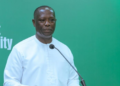

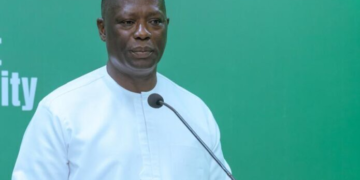



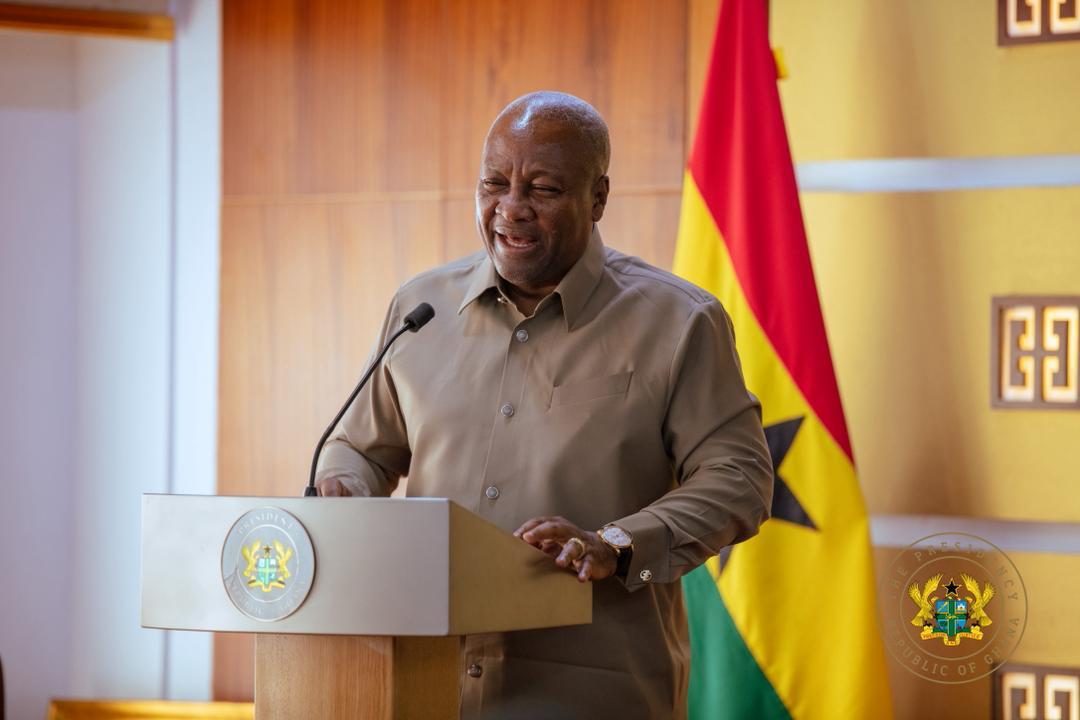
President John Dramani Mahama has raised fresh concerns over what he describes as growing threats to civil liberties and judicial independence across parts of the world, warning that democratic safeguards are coming under sustained pressure.
He made the remarks during the opening of the 2026 Judicial Year and the 20th anniversary of the African Court on Human and Peoples’ Rights in Arusha, Tanzania — a gathering of jurists, diplomats and legal scholars from across the continent.
A Global Democratic Strain
Addressing the audience, President Mahama said recent global developments show troubling signs of executive overreach, weakened legislative authority and increasing restrictions on freedom of speech and protest.
According to him, even nations historically regarded as champions of democracy are now grappling with unlawful detentions, erosion of due process and declining public trust in state institutions.
“These are not isolated developments,” he suggested, adding that the global trend demands vigilance and proactive institutional reform.
Lessons from the Pandemic
Reflecting on governance lessons from the COVID-19 pandemic, President Mahama noted that crises often expose deeper structural weaknesses within state systems.
He argued that emergency powers introduced during crises must not become permanent features that weaken constitutional order.
Read Also: NPA delivers strong warning as fuel shortage fears rise
Global interconnectedness, he said, revealed how fragile institutional checks and balances can be when subjected to prolonged pressure.
A Warning to Africa
Quoting former Tanzanian leader Julius Nyerere, President Mahama stated:
“One does not judge one’s state of health by comparing oneself to a sick person.”
He urged African nations not to measure their democratic progress against struggling systems elsewhere but instead to strengthen their own institutions deliberately and independently.
Call to Strengthen Institutions
President Mahama emphasised the need to safeguard judicial independence, protect civil liberties and reinforce the rule of law as pillars of sustainable governance.
He described the current global climate as a clear call to action for countries committed to defending constitutional order and democratic resilience.
Observers say his remarks reflect growing global debate about the durability of democratic systems amid geopolitical tensions, economic instability and populist pressures.
For African states, he suggested, the moment presents both warning and opportunity — warning of creeping institutional decline, and opportunity to build stronger governance frameworks before vulnerabilities deepen.