











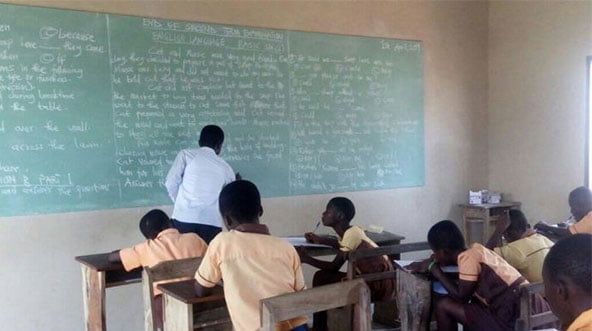
Teachers who accept postings to rural and underserved communities will receive a 20 percent salary top-up under a new government policy aimed at correcting long-standing imbalances in the distribution of educators across the country.
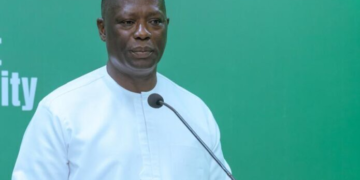
Deputy Minister for Education Clement Abas Apaak announced the measure during a public engagement, describing it as a targeted intervention to improve access to quality education in deprived areas.
Tackling Rural Staffing Gaps
Dr. Apaak acknowledged that many schools in remote communities struggle to attract and retain qualified teachers due to poor accommodation, limited infrastructure and fewer social amenities.
To address these challenges, the government is introducing the Teacher Dabre Programme—a combined incentive package that includes accommodation support and a 20 percent addition to teachers’ gross salaries.
Under the policy, educators who accept postings in designated underserved areas will receive the salary enhancement for the duration of their assignment.
Equity at the Basic Level
The Deputy Minister said the programme aligns with broader efforts by the administration of John Dramani Mahama to reduce disparities in the education system.
He noted that the initiative was highlighted during the recent State of the Nation Address as part of government’s commitment to ensuring that children in rural communities receive the same standard of education as their counterparts in urban centres.
Read Also: Fuel prices edge up as COPEC warns of possible sharp hikes
Education sector observers have long identified uneven teacher deployment as a critical factor affecting learning outcomes, particularly at the basic level.
More Than Just Pay
While the 20 percent salary top-up is expected to make rural postings more attractive, officials say accommodation and community integration will also form key components of the programme.
Analysts suggest that financial incentives alone may not fully resolve retention challenges unless supported by improvements in infrastructure, school facilities and local living conditions.
Discipline Warning to Students
During the engagement, Dr. Apaak also addressed concerns about student misconduct in senior high schools.
He cautioned against hooliganism, vandalism and criminal behaviour, warning that such acts would attract strict disciplinary measures, including possible prosecution.
He urged students to focus on their academic goals and contribute positively to their school communities.
Implementation Questions
The effectiveness of the new policy will depend on how quickly it is rolled out, how beneficiary communities are selected and whether funding remains sustainable over time.
If successfully implemented, education stakeholders say the measure could mark a significant step toward narrowing Ghana’s rural-urban education gap.