















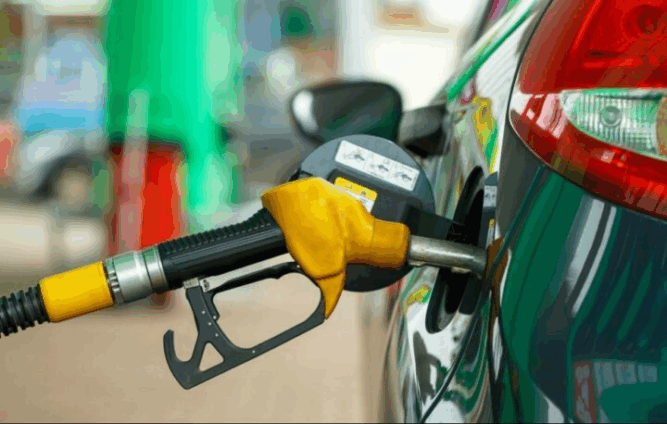
Fuel prices have begun inching upward across parts of the country, with industry observers warning that sharper increases could follow if global tensions continue to mount.
Oil marketing companies have implemented marginal upward adjustments for the current pricing window, reflecting external market pressures and currency dynamics.
GOIL Adjusts to NPA Floor
State-owned GOIL PLC has raised petrol prices at 200 selected stations to the National Petroleum Authority (NPA) approved floor price of GH¢10.46 per litre, up from GH¢10.24 in the previous window.
Under the regular pricing regime, petrol is now selling at GH¢11.56 per litre at several outlets, while diesel has seen a slight adjustment to GH¢12.88 per litre.
Market leader Star Oil has largely maintained its general pump prices, although discounted petrol at selected stations has also been revised.
Industry analysts attribute the marginal increases to movements in global crude oil prices and exchange rate pressures, which continue to influence domestic pricing structures.
COPEC Raises Alarm
Meanwhile, the Chamber of Petroleum Consumers (COPEC) is cautioning that the current adjustments may only be the beginning.
Executive Secretary Duncan Amoah warned that fuel prices could rise significantly in the coming weeks if geopolitical tensions in the Middle East intensify.
According to him, global crude oil prices could exceed $100 per barrel should the conflict involving the United States, Israel and Iran persist — a development that would inevitably translate into higher domestic pump prices.
Read Also: Afenyo-Markin: New Levies Are Hurting Ordinary Ghanaians
“If crude continues to surge on the international market, Ghana cannot be insulated from the impact,” he noted.
Exchange Rate and Global Risks
Fuel pricing in Ghana is influenced by two major external variables: international crude oil benchmarks and the cedi-dollar exchange rate. Even marginal depreciation of the cedi can amplify the cost of imported petroleum products.
Energy market watchers say any sustained spike in global crude prices would compound existing pressures and potentially reverse recent stability in local pricing.
What Consumers Should Expect
While current increases remain moderate, transport operators and businesses are closely monitoring the situation amid concerns that sustained hikes could affect transport fares and commodity prices.
COPEC is urging authorities to maintain transparency in pricing and to explore stabilisation measures should global conditions deteriorate further.
For now, consumers are being advised to brace for potential volatility in the next pricing window.