






Government has announced a new incentive package aimed at encouraging teachers to accept postings to rural and underserved communities as part of efforts to address disparities in Ghana’s education system.
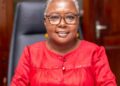
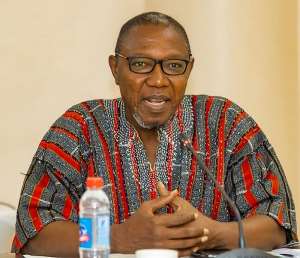
Deputy Minister for Education, Dr. Clement Apaak, revealed that teachers who take up appointments in deprived areas will receive a 20 per cent top-up on their gross salary, in addition to accommodation support.
Speaking during a courtesy call by top awardees of the Basic Education Certificate Examination (BECE), Dr. Apaak said the initiative is designed to ensure equitable access to quality education across the country.
“The President has a programme that is going to reward teachers who take teaching positions in rural areas. These teachers will receive 20 per cent on top of their gross salary as a form of motivation,” he stated.
He explained that the intervention falls under the government’s ‘Teacher Dabre’ Programme, which seeks to motivate and retain teachers in hard-to-reach communities.
“The aim is to make rural postings more attractive and to ensure that children in deprived areas receive the same quality of education as those in urban centres,” Dr. Apaak said.
According to him, the incentive package combines financial rewards with housing support to ease the burden on teachers who accept rural assignments.
“In addition to the salary increment, there will be accommodation support to make their stay comfortable and sustainable,” he added.
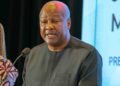
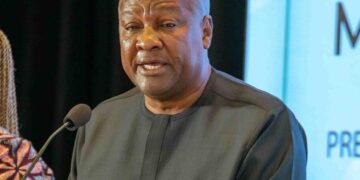
Dr. Apaak noted that the policy, first announced by President John Dramani Mahama during the State of the Nation Address, underscores the administration’s commitment to bridging educational inequalities nationwide.
He stressed that government remains focused on ensuring that no pupil is disadvantaged due to geographical location.
“We are determined to guarantee that every Ghanaian child, regardless of where they live, has the opportunity to thrive,” he emphasised.
The Education Ministry believes the new incentive scheme will help correct imbalances in teacher distribution while improving learning outcomes in rural and deprived communities.
Read Also: Finance Expert: Ghana Must Invest Wisely to Exceed $100bn Mark