
















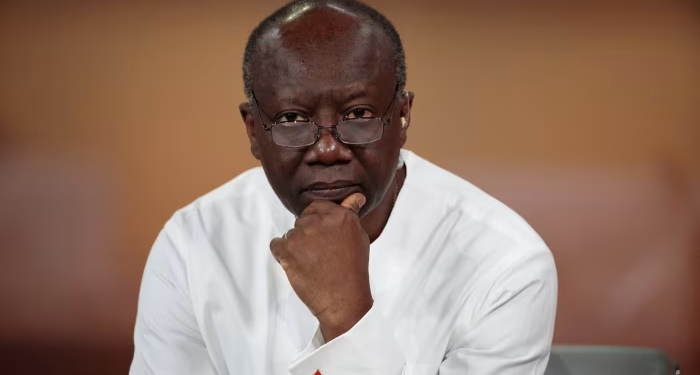
Fresh developments in the United States immigration case involving former Finance Minister Ken Ofori-Atta have cast uncertainty over earlier expectations of a bail hearing on February 19.
A member of Mr. Ofori-Atta’s legal team has clarified that no bail hearing took place on that date, contrary to widespread speculation.
Extradition Filing Changes Court Schedule
Speaking in an interview, lawyer Frank Davies explained that the U.S. immigration court did not sit to consider a bail application because the United States Department of Justice filed a notice confirming that Ghana had submitted an extradition request.
According to Mr. Davies, the immigration court had earlier directed the Department of Justice to provide details of any extradition request by February 19.
However, he stated that only a brief notice confirming the existence of the extradition request was filed—without the accompanying documentation necessary for substantive proceedings.
Read Also: Afenyo-Markin alleges NDC is claiming NPP policies as its own
“As a result, there was no bail hearing and no determination made,” he clarified.
Bail Appeal Claims Dismissed
Mr. Davies also rejected claims circulating on social media suggesting that Mr. Ofori-Atta had lost a bail appeal.
He described such reports as inaccurate and misleading, stressing that no appeal was heard or decided.
Legal analysts note that the filing of an extradition request can significantly complicate immigration proceedings, particularly where bond or bail considerations are involved.
What Happens Next?
The defense team indicates that the matter is expected to be revisited in mid-March when the immigration court reconvenes.
The outcome of the proceedings could determine whether Mr. Ofori-Atta remains in U.S. custody pending further legal processes or faces extradition to Ghana.
Meanwhile, the Office of the Special Prosecutor, which previously declared the former minister wanted over corruption-related allegations, has yet to issue an official response to the latest claims by the defense.
With extradition now formally acknowledged in court filings, attention shifts to the next hearing, where more detailed arguments and documentation are expected.