















A growing standoff is unfolding within Ghana’s public health system as nearly 65 percent of newly posted doctors have failed to report to their assigned facilities, triggering a firm warning from the Ministry of Health.
Out of 463 newly trained doctors deployed across the country, a majority have reportedly not assumed duty — with some regions recording zero turnout.
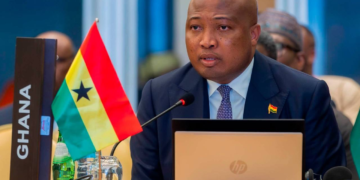
Health Minister Kwabena Mintah Akandoh has issued an ultimatum, warning that doctors who do not report by the end of February will have their names removed from the government payroll.
Rural Regions Face Total Absence
The North East and Upper West regions are among the hardest hit, with reports indicating no new doctors have reported to facilities in those areas.
In contrast, postings in Greater Accra and other economically active regions have seen relatively higher turnout — reinforcing long-standing disparities in rural-urban healthcare distribution.
The situation threatens to deepen healthcare access gaps in already underserved communities.
Government’s Position
The Minister maintains that doctors trained under heavily subsidised public medical education have a responsibility to serve where they are assigned.
He argues that equitable distribution of healthcare personnel is essential to strengthening Ghana’s health system and ensuring that rural populations are not left behind.
More Than an Ultimatum?
However, stakeholders within the private health sector and policy circles suggest the issue is more complex than compliance alone.
They point to structural challenges that discourage rural postings, including:
- Inadequate accommodation
- Limited medical equipment and support infrastructure
- Restricted professional development opportunities
- Fewer supplementary income streams
Health analysts warn that without addressing these underlying conditions, enforcement measures may not yield sustainable compliance.
Read Also: GH¢85m Tax Shock Forces New Cooking Oil Import Directive
National Workforce Pressure
Ghana currently has just over 13,000 medical and dental practitioners serving a population exceeding 30 million — translating to approximately one doctor for every 2,300 people.
With such ratios already strained, continued resistance to rural postings could worsen service delivery, increase waiting times, and place additional pressure on district hospitals.
Reform vs. Enforcement
Experts are calling for a broader policy conversation around incentive-based deployment, rural hardship allowances, housing support, career progression guarantees and infrastructure investment.
They argue that resolving the posting standoff will require balancing accountability with structural reform.
As the February deadline approaches, attention now shifts to whether compliance will improve — or whether tensions between government and the medical community will escalate further.