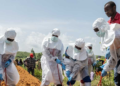











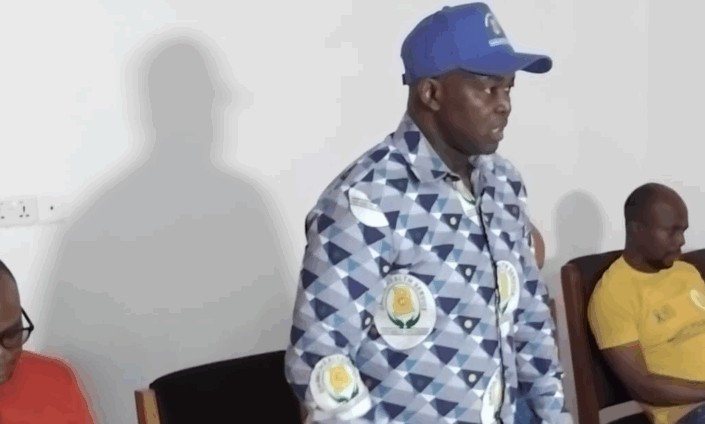
Dr Samuel Kaba Akoriyea, Director‑General of the Ghana Health Service (GHS), has issued a nationwide directive requiring all health workers to wear approved uniforms and clearly visible name tags to enhance professionalism, accountability and patient safety across public health facilities.
Dr Kaba announced the policy on 20 February 2026 during a working visit to the Catholic Hospital, Battor, where he inspected operations at the Cervical Cancer Treatment and Training Centre.
“This is about protecting patients and protecting our own staff,” he said. “When patients can identify you by name and uniform, it promotes trust, accountability and better service delivery.”
Incident Sparks Policy Push
The directive follows a shocking incident at Mamprobi Polyclinic in Accra, where a four‑day‑old baby boy was allegedly stolen from the postnatal ward on 17 February 2026 by a woman who impersonated a nurse.
According to police, the suspect, 33‑year‑old Latifa Salifu, entered the ward dressed in a nurse’s uniform and took the newborn believed to be the son of Precious Ankomah, who had delivered via caesarean section just days earlier.
CCTV footage reportedly showed the woman leaving the facility with the baby, triggering a swift manhunt by the Ghana Police Service.
Officers arrested Latifa Salifu on 18 February 2026 at the Korle Bu Teaching Hospital, where she was found in possession of the infant. She allegedly claimed that she had given birth and was discharged due to a lack of beds, claims that police say are unsupported by hospital records.
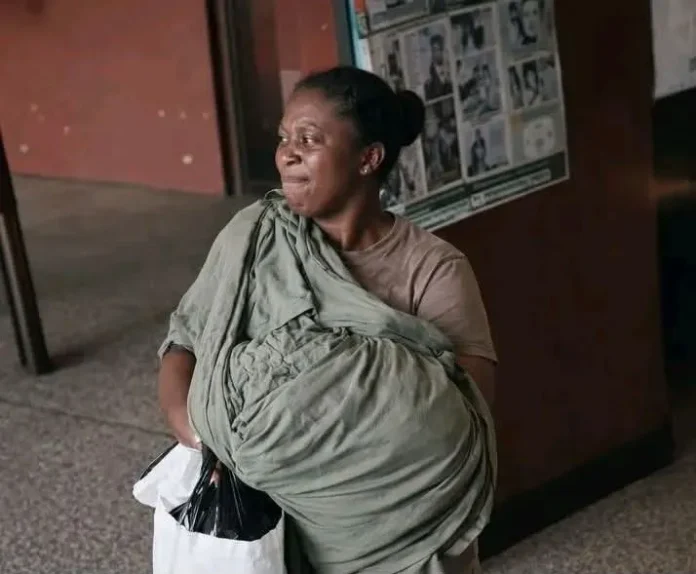
The baby was subsequently identified and reunited with his mother based on a distinctive birthmark, but his health was reported to be fragile upon recovery.
“We realised the baby was running a temperature when he was brought back,” said Dr Agnes Naa Momo Lartey, Minister for Gender, Children and Social Protection, noting that medical teams have been mobilised to care for both the infant and his mother.
Salifu remains in police custody and is expected to be arraigned in court as investigations continue.
Uniforms and IDs Seen as Preventive Tools
Dr Kaba said the uniform and visible name tag policy is aimed at preventing such impersonation incidents and strengthening public confidence in the health system. “Proper identification will help prevent impersonation and protect both patients and health workers,” he said.
He also encouraged staff to wear GHS‑branded attire during official duties outside health facilities, saying that “our uniform identifies us, gives us privilege, and protects us.”
Dr Atsu Dodor, Volta Regional Director of Health Services, welcomed the directive and pledged support for full compliance across facilities in the region.
The enforcement of stricter dress codes and identification protocols reflects a broader effort to improve security, accountability and public trust in Ghana’s health sector following the widely shared and deeply unsettling baby theft case.
Read Also: 24-Hour Economy Can Drive Growth and Jobs, But Funding and Planning Are Crucial — Prof. Boadi