











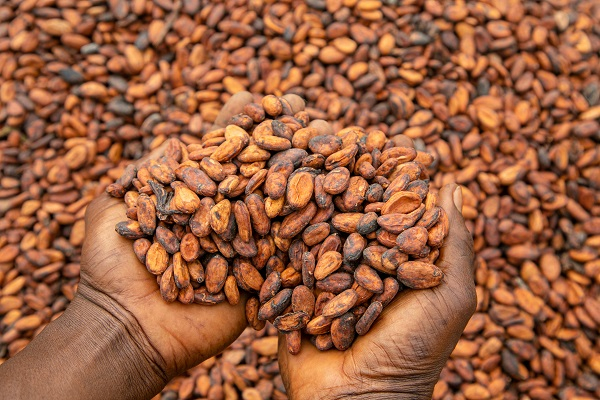
Government has released GH¢855 million to clear outstanding arrears owed to cocoa farmers following months of delayed payments that left many producers unpaid despite delivering their beans to licensed buying companies.
The intervention forms part of a broader reform programme aimed at stabilising and restructuring the cocoa sector. However, the measures have triggered controversy, particularly over a reduction of more than GH¢1,000 in the producer price per bag.
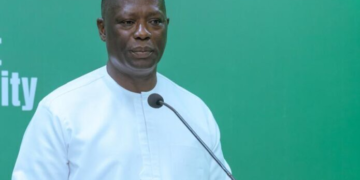
Speaking to journalists in Parliament, Chairman of the Finance Committee, Isaac Adongo, defended the decision, insisting it was necessary to restore financial stability at the Ghana Cocoa Board (COCOBOD).
“The bottom line is that some amounts were owed to cocoa farmers, and the government has taken a firm decision to repay those monies so the buying companies can settle their obligations,” he said. “This morning, GH¢855 million has been released for that purpose.”
Mr Adongo argued that the current administration inherited a heavily indebted cocoa sector, revealing that by early 2025 COCOBOD had accumulated about GH¢17.8 billion in loans, in addition to other operational liabilities.
“When you add the loans to other obligations, you are looking at an exposure of over GH¢60 billion,” he stated. “That vehicle was simply not sustainable and needed urgent intervention.”
He blamed the previous New Patriotic Party (NPP) administration for what he described as financial mismanagement, citing procurement decisions such as the importation of large quantities of jute sacks despite existing stock.
“These are reckless decisions that worsened the financial position of COCOBOD,” he alleged.
But the Minority in Parliament has criticised the mid-season price cut, maintaining that cocoa farmers deserve to continue receiving more than GH¢3,600 per bag.
Meanwhile, tensions have spilt into cocoa-growing communities. Hundreds of farmers in the Western North Region have staged protests in Sefwi, Wiawso Bekwai, Asenafo and Amenfi, arguing that the price reduction has slashed their incomes by nearly 30 percent.
In a petition to COCOBOD officials, the farmers described themselves as “law-abiding and hard-working citizens who contribute significantly to Ghana’s economy.”
“Cocoa remains the backbone of our region and a major source of foreign exchange for the nation,” a leader of the protesting farmers said. “The price cut threatens our livelihoods and the survival of our families.”
While the release of funds is expected to ease immediate payment concerns, the debate over cocoa pricing and the future direction of sector reforms continues to dominate discussions in Parliament and across cocoa-producing regions.
Read Also: Refuse to Be Intimidated – Vice President to Ghanaian Women