





The University of Cape Coast (UCC) has officially established the Africa Ocean Institute (AOI), a pioneering centre of excellence aimed at advancing marine research, coastal governance, and sustainable development across the African continent.
This strategic move follows approval from the Ghana Tertiary Education Commission (GTEC) and the completion of all internal processes by the university.
The AOI, which will operate under UCC’s College of Agriculture and Natural Sciences, is designed to respond to the growing challenges facing Africa’s oceans and coastal zones, including climate change, overfishing, habitat degradation, pollution, and the fragmentation between science and policy.
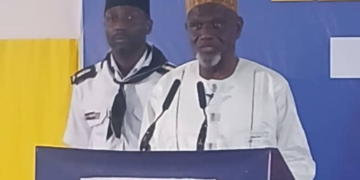
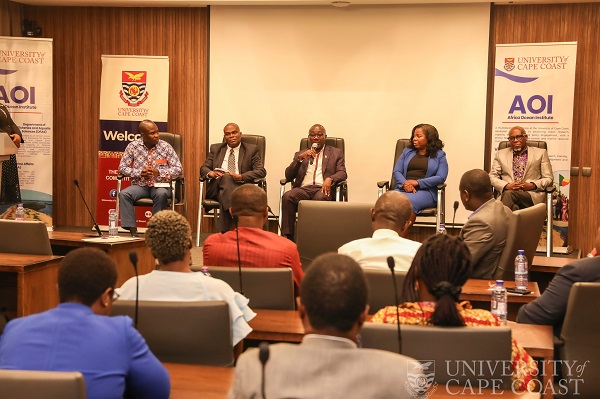
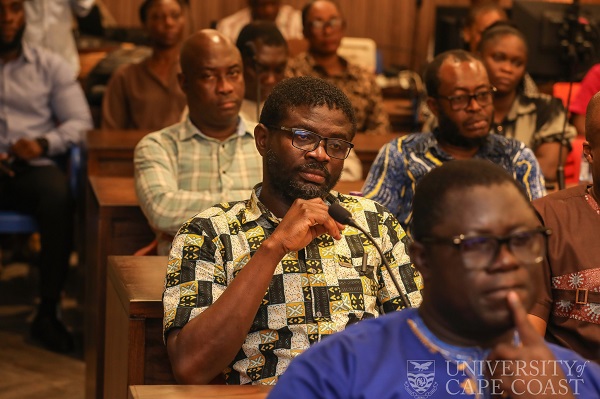
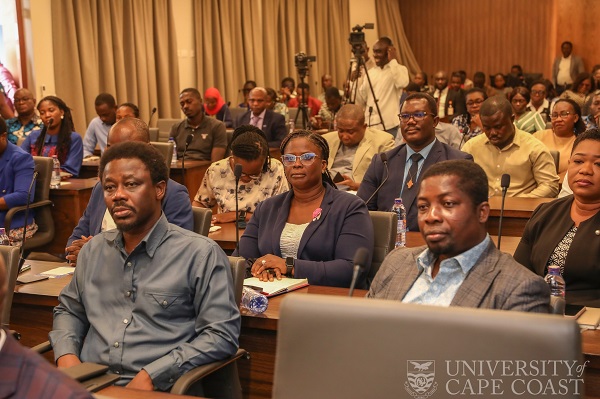
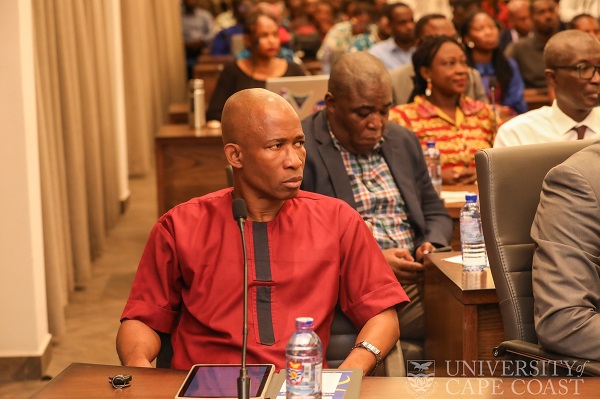
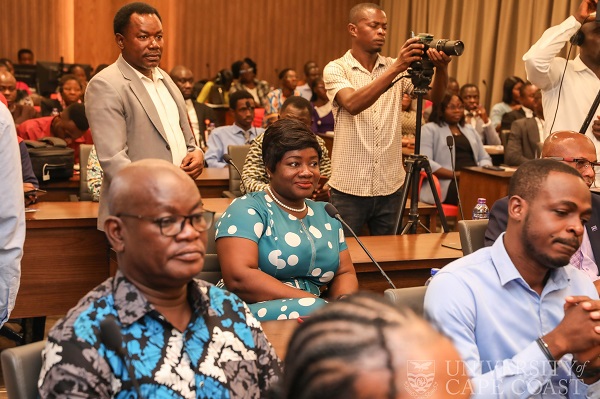
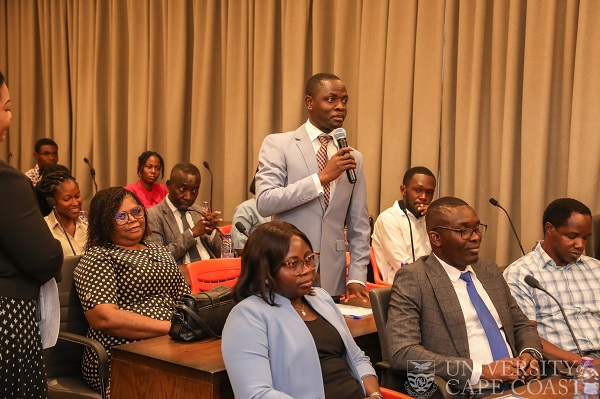
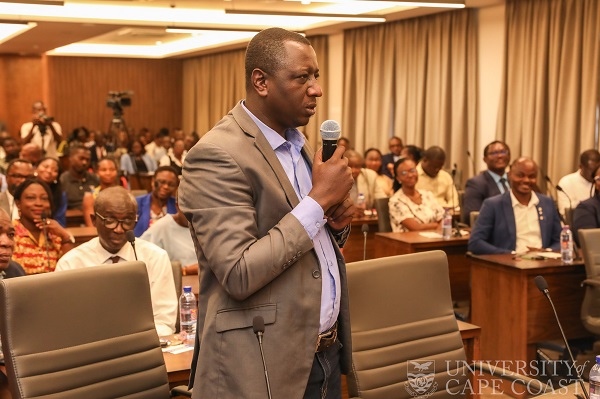
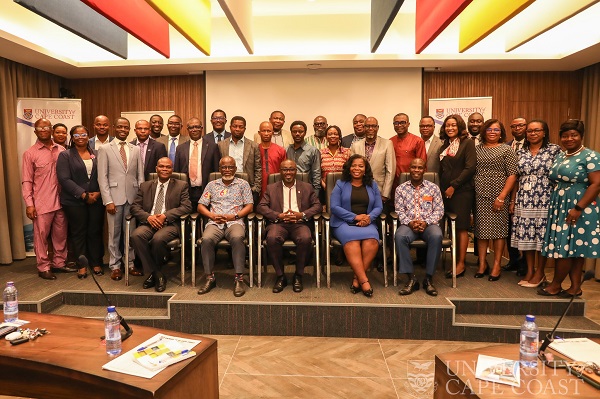
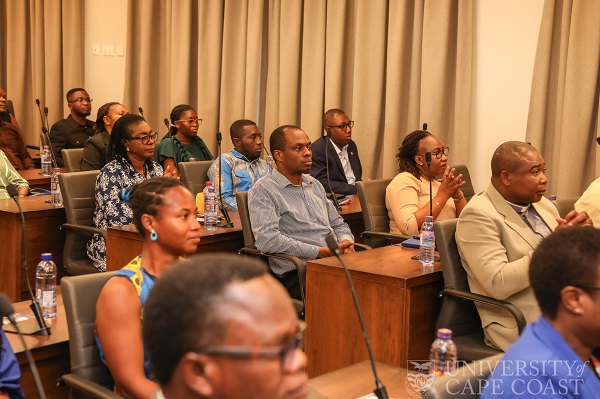
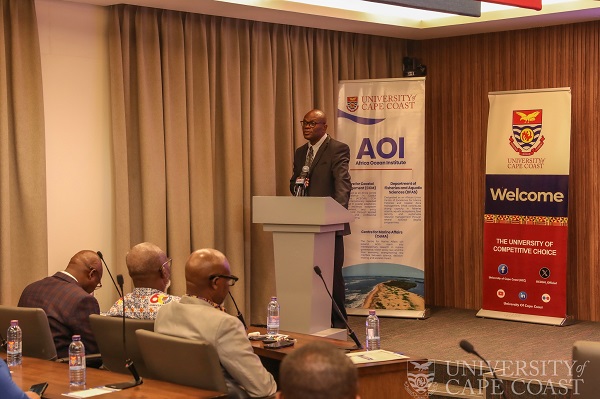
Speaking at a press conference in Cape Coast, the Acting Vice-Chancellor of UCC, Professor Denis Worlanyo Aheto, said the Institute was established with full approval from the Ghana Tertiary Education Commission after all internal university procedures were completed.
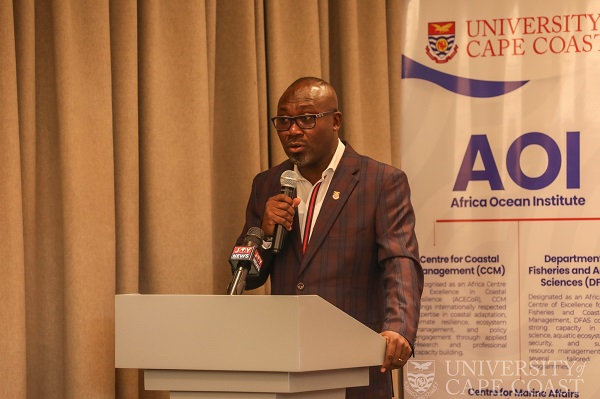
Prof. Aheto said the new institute is a strategic response to the increasing environmental and policy challenges facing Africa’s coastal and marine environments, which are crucial for the continent’s economy, food security, trade, and biodiversity.
Read Also: Public University Unions Declare Indefinite Strike Over Pay Cuts and Pension Arrears
“Africa’s waters are central to our development prospects, yet they are under pressure from overfishing, pollution, climate change, and weak linkages between research and policy. The AOI will help bridge those gaps,” he explained.
The Africa Ocean Institute will operate under the College of Agriculture and Natural Sciences and serve as a centre for training, policy engagement, and research on ocean governance. It is also expected to position Ghana as a regional leader in marine and coastal studies.
Why UCC?
Prof. Aheto noted that UCC’s long-standing reputation as one of the leading seafront universities made it the ideal home for the new institute.
“We are building on decades of excellence in marine science and creating a stronger platform for national and continental impact,” he said.
Structure of the Institute
The AOI is anchored on three main centres namely Centre for Coastal Management (CCM) – A World Bank-recognised Africa Centre of Excellence in Coastal Resilience; Department of Fisheries and Aquatic Sciences (DFAS) – An African Union Centre of Excellence for Marine Fisheries and Coastal Zone Management; and Centre for Marine Affairs (CeMA) – A new centre focusing on marine governance, ocean policy, law, and the blue economy.
“These centres form an integrated platform to tackle scientific, social, and policy challenges linked to our oceans,” Prof. Aheto said.
National and Continental Role
He outlined seven key national priorities that the Africa Ocean Institute (AOI) is expected to support as part of its strategic contribution to Ghana’s development.
These include promoting evidence-based fisheries management to ensure the sustainable use of marine resources, and advancing climate adaptation planning to help coastal communities respond effectively to the impacts of climate change.
The Institute will also play a central role in marine spatial planning, helping to balance ecological, social, and economic interests in the management of ocean spaces.
Additionally, it will support the development of Ghana’s blue economy, creating new opportunities for growth in marine-based sectors.
The AOI will further contribute to coastal zone management, ensuring that fragile ecosystems and livelihoods are protected.
Another priority is to provide technical support to government agencies and coastal communities, helping them implement policies and practices grounded in research and innovation.
The Institute aims to reinforce Ghana’s leadership in ocean governance, both regionally and across the African continent, by generating knowledge and policy solutions tailored to local and global challenges.
At the continental level, Prof. Aheto said the AOI will support Africa’s blue economy, sustainable fisheries, food security, and training of the next generation of ocean professionals. The work of the Institute will also align with key Sustainable Development Goals (SDGs), including SDGs 4, 8, 13, 14, and 17.
Next Steps
Prof. Aheto said the press conference marked the formal recognition of the Institute within UCC. He added that the AOI would be officially launched later this year in Accra, and efforts were already underway to operationalise its programmes, partnerships, and funding structures.
“We look forward to working with government institutions, regional bodies, civil society, industry, and coastal communities to protect and manage Africa’s ocean resources for the benefit of current and future generations,” he concluded.
Source: Anthony Sasu Ayisadu/ATLFMNEWS