














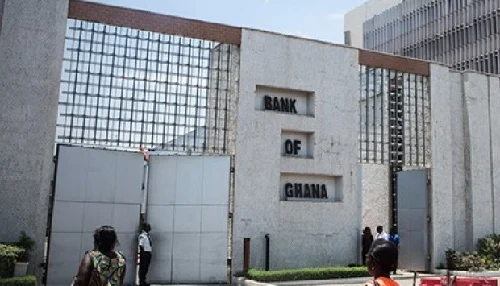
Ghana’s microfinance sector is set for major consolidation as the Bank of Ghana introduces tougher capital requirements that will compel many operators to either recapitalise, merge with stronger institutions, or exit the industry by the end of 2026.
The sweeping reforms, announced by the central bank, significantly raise minimum capital thresholds for microfinance institutions, marking one of the most far-reaching shake-ups of the sector in recent years. Existing firms seeking to operate as Microfinance Banks must now raise GH¢50 million, while new entrants will be required to mobilise GH¢100 million, a sharp increase intended to improve governance, resilience and depositor protection.
Consolidation becomes inevitable
Under the new framework, operators unable to independently meet the revised capital requirements are encouraged to pursue mergers or acquisitions, transfer assets and liabilities to stronger institutions, or opt for a voluntary and orderly exit. The Bank of Ghana has stressed that the reform is not aimed at collapsing businesses, but at cleaning up a sector that has suffered repeated failures, weak supervision and loss of public confidence.
Read Also: Why Ghana Approved a Passport for IShowSpeed
Institutions must formally notify the central bank of their chosen transition option by June 30, 2026, and submit progress updates by September 30, 2026. Firms that fail to comply risk sanctions, including restrictions on operations.
Rural banks reclassified, supervision tightened
As part of the restructuring, all Rural Banks will be converted into Community Banks by March 31, 2026. These banks will be required to meet a new minimum capital of GH¢5 million, while newly established urban Community Banks must raise GH¢10 million by the end of 2026.
Credit unions with assets of GH¢60 million or more will now fall under direct supervision of the Bank of Ghana from the second quarter of 2026. Smaller cooperatives and susu operators will operate as Last-Mile Providers, under delegated oversight, to preserve financial inclusion at the grassroots.
What it means for customers
The central bank has assured depositors that safeguards are in place to protect customer funds during mergers or transfers. Institutions are required to give customers at least 30 days’ notice before any major structural changes, ensuring transparency and continuity of service.
According to the Bank of Ghana, the reforms are designed to create a stronger, more credible microfinance industry capable of supporting small businesses, households and community development, while reducing the systemic risks that previously led to widespread failures.
Regulators believe the consolidation will ultimately produce fewer but stronger institutions, restore trust in the sector and align Ghana’s microfinance landscape with international best practices.