











Ghana has begun a comprehensive review of its national strategy on ending child marriage as the country intensifies efforts to meet the global 2030 target, amid evidence that structural and social drivers of the practice remain entrenched in some communities.
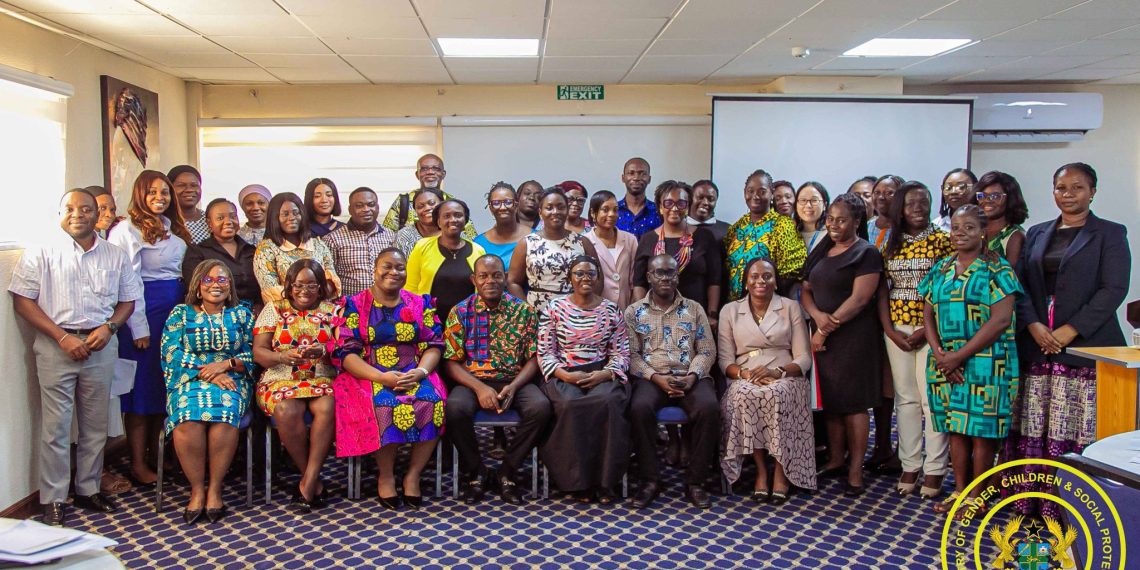
The review is being led by the Child Marriage Unit of the Ministry of Gender, Children, and Social Protection, in partnership with UNFPA and UNICEF Ghana. The process formally commenced with a high-level consultative meeting held in Accra on Saturday, January 24, 2026, bringing together policymakers, development partners, and frontline practitioners.
The engagement assessed progress made under Ghana’s National Strategic Framework (NSF) on Ending Child Marriage between 2017 and 2025, while identifying implementation gaps and emerging risks that could undermine progress if left unaddressed.
Speaking on behalf of the Ministry’s Chief Director, the Head of the Child Marriage Unit, Madam Saphia Tamimu, said the review was necessary to reposition Ghana’s response as the deadline approaches.
She acknowledged that while Ghana has recorded important gains through legal and policy reforms, including the passage of the Affirmative Action Gender Equity Act, 2024 (Act 1121), the Social Protection Act (Act 1148), and continued enforcement of the Children’s Act, those achievements have also exposed systemic weaknesses.
“Structural vulnerabilities such as poverty, harmful social norms, limited access to education, and weak enforcement at the community level continue to fuel child marriage in some areas,” she noted, adding that with only four years left, strategic realignment is unavoidable.
Development partners at the meeting stressed that the next phase of Ghana’s response must be driven by evidence and community leadership. Representatives from UNFPA and UNICEF Ghana explained that Phase III of the Global Programme to End Child Marriage prioritizes scaling up interventions with proven impact, strengthening national systems, and amplifying the voices of adolescent girls.
Read Also: NIA announces new fees for Ghana Card registration and updates
Participants, including district-level implementers and civil society actors, shared practical experiences from high-prevalence communities, highlighting coordination challenges, funding constraints, and gaps in social protection and education access for vulnerable girls.
Organisers said the review process is designed to ensure that the revised framework reflects current realities, aligns with Ghana’s broader development priorities, and delivers targeted, measurable results.
As Ghana pushes ahead with reforms, officials say the renewed strategy will focus on prevention, protection, and empowerment—ensuring that no girl is left behind as the country works toward ending child marriage by 2030.