




The national conversation on education often centres on the shortage of textbooks and infrastructure; meanwhile, the Institute for Educational Planning and Administration (IEPA) is sounding the alarm on a different deficit: Leadership.
As a UNESCO Category II Centre of Excellence based at the University of Cape Coast (UCC), the IEPA argues that without effective school administrators, all other investments in education will fail to yield sustainable results.
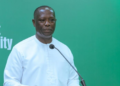
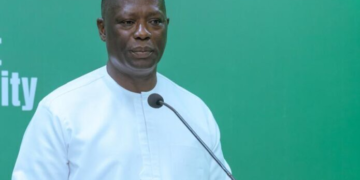
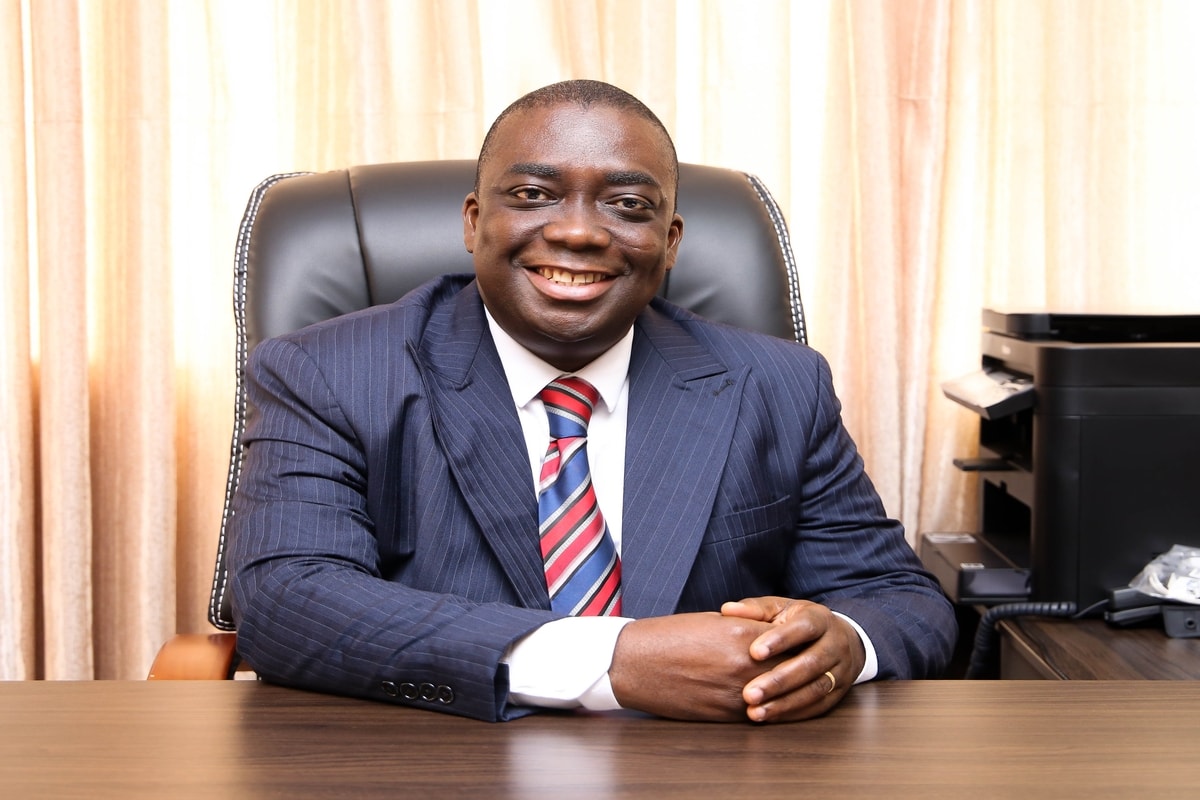
The Director-General of the IEPA, Professor Michael Boakye-Yiadom, described leadership as the “missing link” in achieving Sustainable Development Goal 4 (SDG 4). Citing extensive data, he explained that there is a direct, positive relationship between the quality of a headteacher and the effectiveness of teachers in the classroom.
Professor Boakye-Yiadom insisted that for learning outcomes to improve, leadership must be demonstrated at every level—from the policy desk down to the school playground.
“We must get leadership right,” he stated, “That is why IEPA has done a lot of work, not only in research, but also in the other strategy thrust of our mandate, that we build and strengthen the capacity of educational planners, administrators, and leaders in West Africa, in the sub-region of West Africa. We don’t have a choice.”
Prof. Yiadom further expressed the need to support the education ministries within the sub-region to undertake sector-wide planning, policy development implementation. He emphasized that effective change must begin with robust planning at the policy level.
Additionally, he said, “We must also undertake cutting-edge research and consultancy and promote innovations in education delivery.”
Prof Boakye-Yiadom also underscored the need to create platforms and mobilize educational experts to interrogate educational issues and also provide policy advice to the Ministry of Education.
For his part, former Director at IEPA, Professor Bro. Michael Amakyi, said translating this global mandate into local action is at the heart of the IEPA’s strategy.
He described their model as a cycle, explaining that IEPA, UCC operates as a global hub that identifies international educational challenges, implements and tests local solutions, and then shares those evidence-based findings back with the global community.
“We identify global issues such as inclusive education and examine how to address them within our local context,” Prof Amakyi explained. We then go into the field to implement interventions and measure their impact. Once we see what works, we share those findings back with the global community, so that people can learn lessons from us.”
With only four years remaining to achieve the 2030 Sustainable Development Goals, the IEPA is urging stakeholders to move at a faster pace. The Institute maintain that the fish “rots from the head,” and that only by strengthening the capacity of school administrators can Ghana bridge the gap for “last-mile” schools in rural and conflict-prone areas.