











The Vice Dean of the School of Medical Sciences at the University of Cape Coast, Professor Kingsley Pereko, has called for immediate legislative action to mandate front-of-pack food warning labels in Ghana.
He said there’s an increasing double burden of malnutrition; the simultaneous problems of under-nutrition and rising obesity, which is fuelling non-communicable diseases (NCDs) like cancer, diabetes, and hypertension.
Prof. Pereko, speaking on the Atlantic Wave, described Ghana’s current food environment as “quite unhealthy.”
He pointed out that the overconsumption of salt, sugary-sweetened beverages (SSBs), and heavily processed foods is driving both micronutrient deficiencies and the surge in NCDs, even among children under five.
“So, we’re having these problems of stunting, wasting and while at the same time, we’re seeing cases of overweight and obesity in men and women. It’s a very critical thing,” he stated.
He attributed these underlying conditions to micronutrient deficiencies, resulting from poor eating habits, where many prefer SSBs over vegetables and fruits.
The core solution, according to the Professor, is the immediate implementation of a Mandatory Front-of-Pack Warning Label (FOPL).
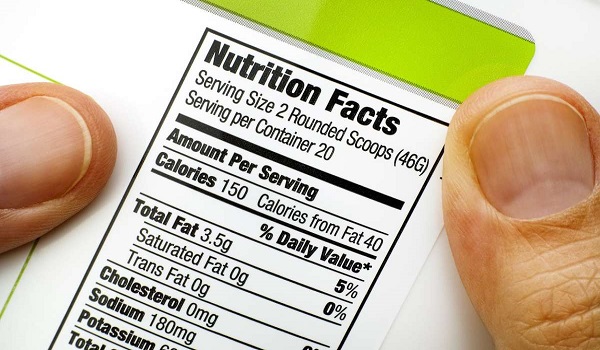
He said that while the current existing food labels include a nutrition panel with general information on carbohydrates, sugar, salt, manufacturing and expiry dates, Prof. Pereko emphasized that labels should be informative enough to help consumers make healthy food choices.
“What we are asking for is a label that clearly tells if a product is very high in salt, sugar or saturated fat, nutrients of public health concern, that have been evidently found to have a link with the rising burden of NCDs,” he explained.
Beyond labelling, Professor Pereko called for sustained public education and demanded that health and nutrition policies be prioritized in national politics.
He said such policies, if implemented, would not only save lives but also generate substantial financial returns that preventive nutrition offers the country.
“If you spend $1 as an intervention in nutrition, it yields about $23 in return, which business in Ghana yields that kind of profit. So, if Ghana takes nutrition seriously, we are going to be a very prosperous nation.”
“That is what I personally look out for, for years to come, where our hospitals begin to close ICU centres because we are not getting any more clients. If people have healthy kidneys and healthy livers, they will enjoy life to the fullest.
READ MORE HERE