














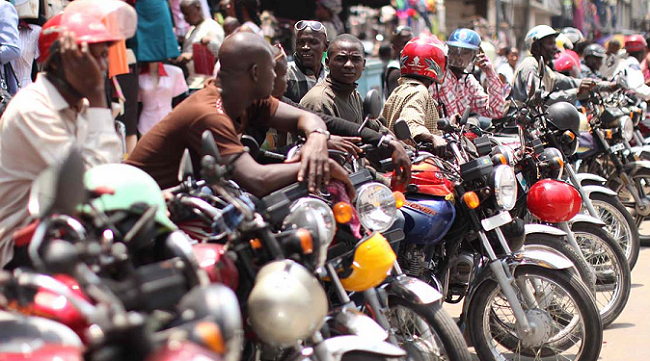
Ghana’s commercial motorcycle transport sector has entered a new regulatory phase following Parliament’s passage of the Road Traffic Amendment Bill, 2025, which legalises the commercial use of motorcycles, tricycles and quadricycles nationwide.
The bill, approved on Thursday, December 11, 2025, provides aiveran legal framework for an industry that has operated largely without formal regulation for years. Government officials say the law is expected to improve road safety, create employment opportunities for young people and bring order to the road transport sector.
In addition to legalising commercial motorcycle operations, the amendment introduces new safety provisions, including an upward review of the alcohol concentration threshold used to determine drink-driving offences. The change forms part of broader measures aimed at reducing road traffic accidents and strengthening enforcement.
Riders Welcome Regulation and Identification Measures
The Okada Riders Association has welcomed the new law, describing it as a major step toward professionalising the sector and improving public confidence.
According to the Association’s Public Relations Officer, Solomon Akpenaba, formal regulation will help eliminate criminal misuse of motorcycles and distinguish licensed riders from unauthorised operators.
He explained that under the new framework, riders are expected to operate within recognised unions, wear identifiable uniforms and use clearly marked registration plates—measures that will make enforcement easier and enhance accountability.
Read Also: Mahama Selected by ECOWAS for AU Chair in 2027
Akpenaba said the reforms would help end the blanket suspicion often directed at commercial riders and allow the public to clearly identify legitimate operators.
Government Targets Safety, Order and Enforcement
Speaking in Parliament on Wednesday, December 10, the Minister for Transport, Joseph Nikpe Bukari, said the amendment is designed to sanitise road transport services and strengthen safety protocols across the country.
He noted that the law also introduces stricter penalties for offenders, giving enforcement agencies clearer authority to regulate commercial motorcycle operations.
Officials believe that with defined rules, improved identification and stronger enforcement, the legalisation of commercial motorcycles will contribute to safer roads while supporting livelihoods in the transport sector.